

Solar panels can lower your grid use, but they’re not a universal fit. High upfront costs, long payback periods, roof limitations, local climate, HOA rules, and shifting utility policies are all valid reasons not to get solar panels for some households.Understanding these limitations can help you decide if home solar panels are worth it.
PowerOutage.us tracks 950+ utilities serving 200+ million customers and analyzes grid performance patterns to help homeowners considering solar. Our outage database since 2016 bases solar panel downsides in grid data.
1. You can’t afford the cost or get a good loan
The point of having solar panels is to save money, not dig yourself into a hole of debt and despair. Our data shows the average 5 kW system in the U.S. costs $17,823 before incentives, and not everyone can afford an expense like that.
Of course, many homeowners choose to finance solar panels instead. Take a good look at the total interest to see how much you’ll pay in the end. Here are a few simple examples of how interest rates affect the total cost of a $15,000 solar loan over 15 years:
| Financed amount | Interest rate | Monthly payment | Total paid after 15 years |
|---|---|---|---|
| $15,000 | 5% | $119 | $21,351 |
| $15,000 | 6% | $127 | $22,784 |
| $15,000 | 7% | $135 | $24,268 |
| $15,000 | 8% | $143 | $25,803 |
| $15,000 | 9% | $152 | $27,385 |
| $15,000 | 10% | $161 | $29,014 |
At 10% interest, you pay close to double over the loan term. In plain terms, that’s a strong reason not to get solar panels right now, because your break-even point moves farther out and your monthly savings may not cover the loan payment.
Before signing anything, estimate your break-even date and ask yourself how long you plan to stay in the home. If you may move in 5–10 years, a 15–20 year payback can make solar a poor fit unless the system clearly adds resale value in your market.
If your only available path is a solar lease or power purchase agreement (PPA), that can also be a reason not to get solar panels. Leases and PPAs often deliver less savings, can include escalator clauses, may charge early termination fees, and sometimes complicate a home sale.
Solution: Save cash, improve credit, shop lenders, or wait for a lower interest rate before committing to solar.
2. Your electricity bill isn't high enough to warrant solar
Another major reason not to get solar panels is simple math: if your electricity costs are already modest, solar may take too long to pay for itself. Our data shows the average electricity bill in the country is about $142 with an average price of 16.5 cents per kWh. If you pay well below that, your savings may be too small to justify installation costs.
Low bills can happen for good reasons—efficient HVAC, insulation, modern appliances, or careful usage. The downside is that efficiency can reduce the financial case for solar, because there’s less bill to offset each month.
In some households, the payback period can approach (or exceed) the system’s practical lifetime, especially if you also need roof work, electrical upgrades, or a battery. If your goal is strictly financial, this is one of the clearest reasons yet.
3. Solar incentives like net metering are decreasing
Fewer states offer full net metering nowadays, so don’t expect to make a side income from your solar panels. State-level policy shifts and utility company adjustments can make it a bit harder to go solar. Another big one is the federal residential clean energy tax credit expired at the end of 2025, so homeowners can't claim that credit for installing new systems. These changes can affect your installation costs, payback periods, and overall return.
Homeowners in today’s market are seeing:
- Declining state-level incentives and net metering rates
- Uncertain long-term savings as utilities revise their solar compensation structures
- Variable incentive availability depending on location and state regulations
Full net metering gives a one-to-one credit for excess energy your system exports. So, if you pay 16 cents per kWh, you get 16 cents for each kWh you provide. But some states have pulled back from that. Notably, California’s NEM 3.0 rules generally provide much lower export credits than older programs, which can push homeowners toward batteries and load shifting to protect payback.
4. You live in a bad climate for solar
Location and weather are practical reasons not to get solar panels, or at least reasons to reduce your expectations. Solar works best where sunlight is consistent and shading is limited. Heat can also reduce panel output, so “hot and sunny” isn’t always as productive as many homeowners assume.
Atmospheric conditions and seasonal variation affect how well panels convert sunlight into electricity. In very hot regions or places with large temperature swings, panels can produce less power during peak heat and may experience faster wear on roofing components and electronics.
The optimal temperature for solar panel efficiency is around 25°C (77°F). Outside that range, output usually drops somewhat, even on bright days.
Here are a few climate-related factors that can make solar less attractive:
- Heavy cloud cover and rain that reduce daily energy production
- Seasonal temperature swings that change output across the year
- Lower solar irradiance in certain geographies and microclimates
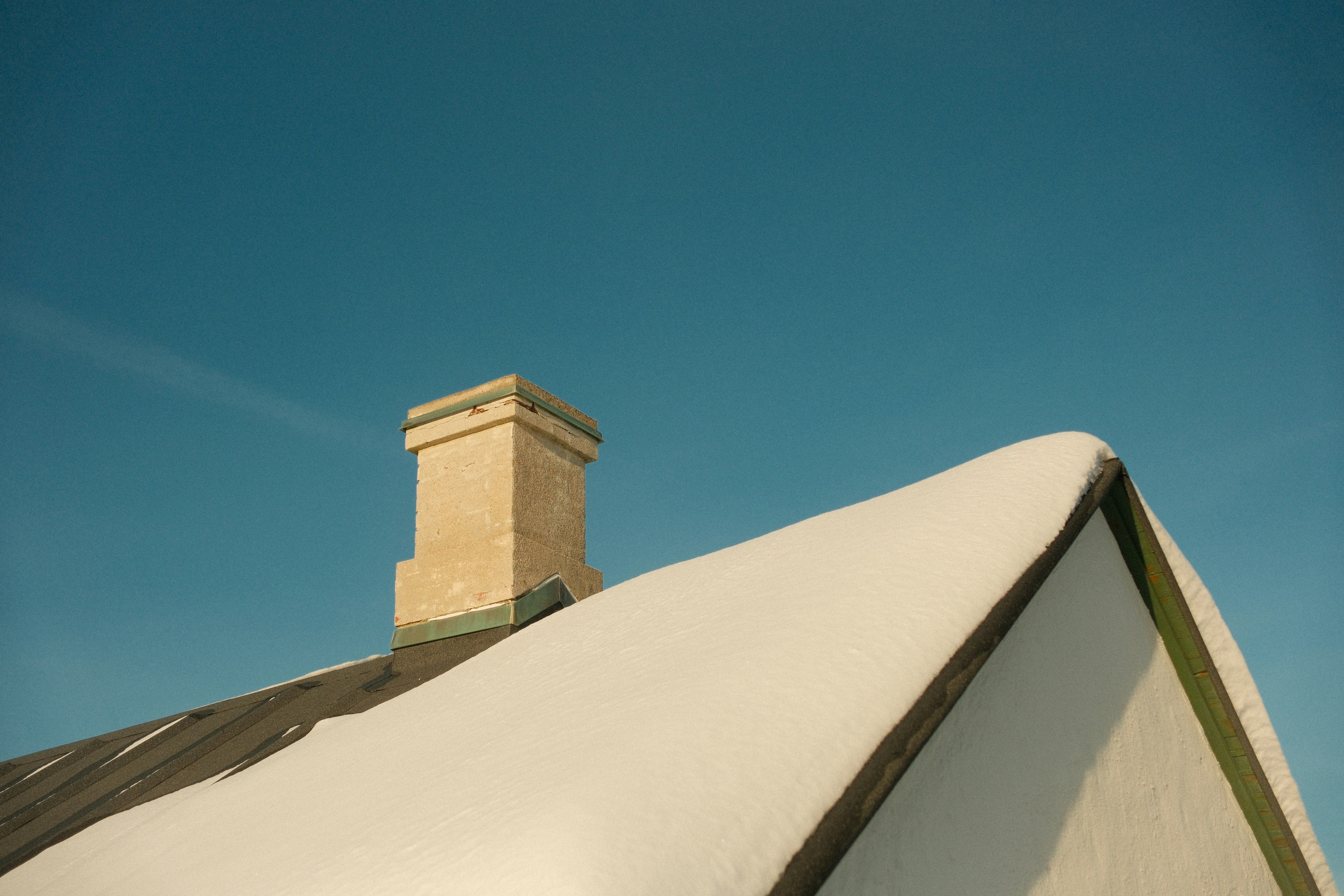
- Snow coverage in winter that can block panels until cleared
Solution: Use a solar power calculator like the PVWatts calculator to see how much power your home could produce.
5. Your roof might not work for solar
Roof constraints are one of the most common reasons not to get solar panels. Even if your roof material can accept mounting hardware (asphalt, metal, tar, gravel, and some tile), factors like load capacity, roof age, slope, and usable space can still block a safe install.
Roof age matters because you don’t want to remove a system to replace shingles a few years later. Asphalt shingle roofs older than 15 years often need replacement before solar panel mounting, which raises your total project cost and extends payback.
Specialty materials like wood shake, clay tile, or slate can complicate mounting and increase labor cost. A qualified installer should inspect your roof structure and confirm the attachment method.
In the case of cedar roofs, many cedar shingles are installed directly on skip sheathing. That means boards with gaps sit under the cedar, which often won’t meet mounting requirements. You may need to resheath with plywood before installing, adding cost—another reason not to get solar panels until roof work is done.
Space and shading can also kill the economics. A standard system often needs about 250 to 350 square feet of clear, unobstructed roof area. In North America, south-facing roof planes usually produce the most. North-facing roofs, heavy tree shade, or nearby buildings can cut production enough that solar savings fall short.
Solution: Trim problem branches where permitted, consider a smaller system where it still pencils out, or explore ground-mounted solar if your property allows it.
6. Your HOA has complicated solar panel rules
If your neighborhood has a strict HOA, you might have to pay more to get a certain type of solar panel or install fewer panels overall.
Common HOA restrictions include:
- Mandatory approval processes for installation plans
- Strict placement requirements that limit ideal sun exposure
- Color and style specifications for maintaining neighborhood aesthetics
- Size limitations affecting overall energy production
Specific placement mandates often force panels into suboptimal positions, reducing energy generation potential and your system’s efficiency. Requiring specific panel colors, styles, or mounting configurations typically increases equipment and labor expenses. The approval process itself can extend project timelines and add administrative costs.
Many states have solar access laws to protect your right to add solar panels, but not all states do. Even in jurisdictions with solar access protection laws, you have to carefully document compliance with HOA guidelines throughout the process.
7. You don’t like how solar panels look
Maybe it’s not your HOA but it’s you who has an issue with solar panel aesthetics. Even though technology advances, solar panels can still stick out. Here are a few things to consider:
- Panel appearance: Traditional polycrystalline panels have a distinctive blue color with silver frames that may clash with your roof's design. Monocrystalline panels are closer to black and some brands offer true black panels with black frames.
- Cost vs. looks: More aesthetically pleasing options like solar shingles come at a premium price.
- Efficiency trade-offs: Choosing panels based on looks may result in slightly reduced energy production.
Solution: Look into solar shingles, as these panels have a seamless appearance. But be ready to accept slightly worse efficiency and a higher price.
8. You would need storage for blackout security
If your main concern is energy security during blackouts, you’ll need a battery storage system.
Installing rooftop solar panels alone can't guarantee continuous power during blackouts since most grid-connected systems automatically deactivate when utility power fails. This is to protect utility workers from injury since your grid-tied system normally sends excess power back through the power lines.
Battery backup systems require a sizeable investment from $10,000 to $15,000 for a medium-sized home. They also require regular maintenance, including periodic testing, cleaning, and eventual replacement. After doing the math, you might find this increases the payback period of a solar system too much.
Bottom line: Going solar isn’t for everyone, but it can be worth it
Before going solar, make sure you weigh the costs, efficiency, and potential restrictions. Taking the time to evaluate these factors will help you make the best decision for your home and budget.