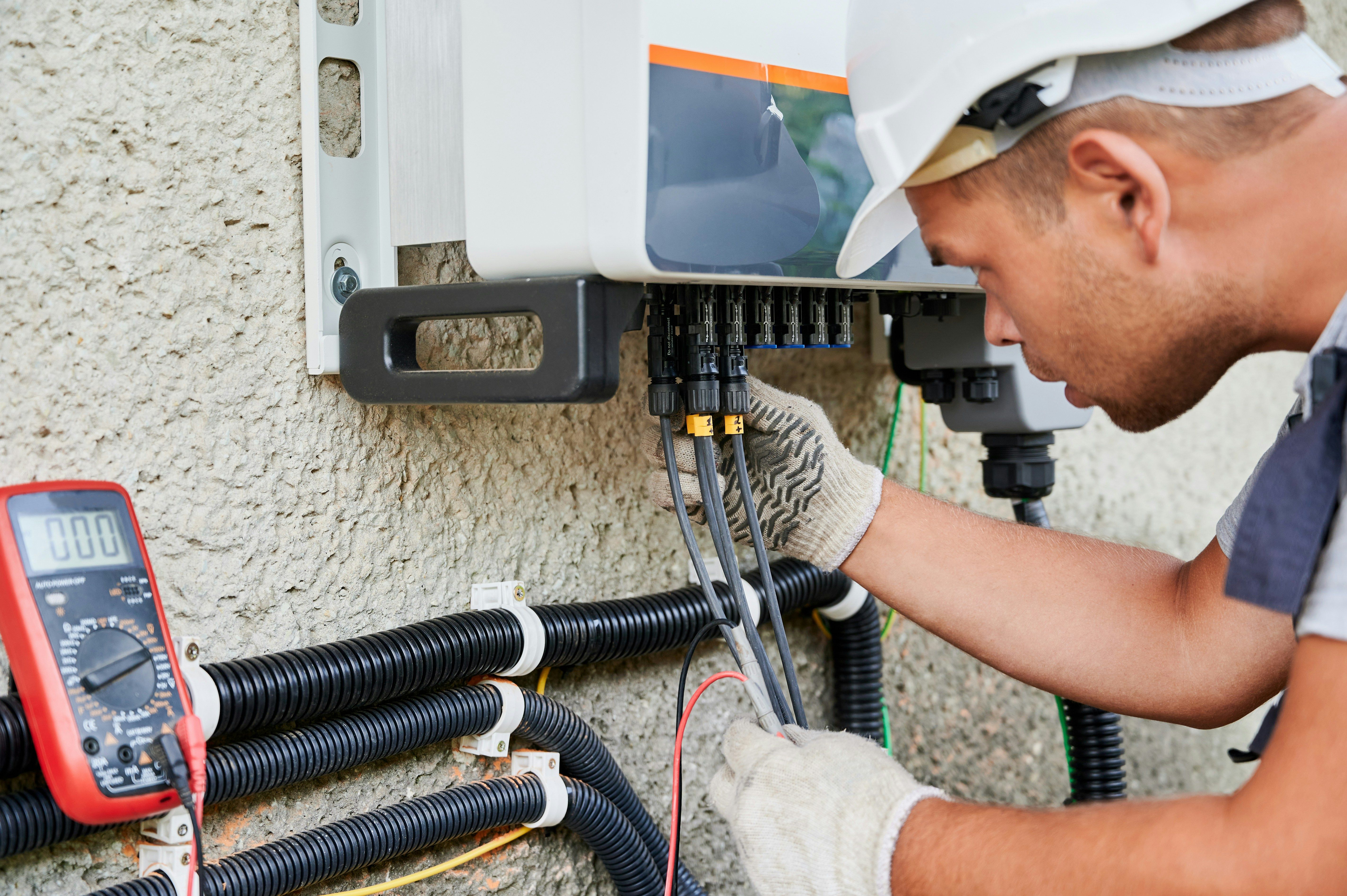


A whole-home generator can provide a lifeline by keeping the electricity in your home on when the grid goes down. It can also enable you to power devices and appliances where no electrical connections are available. However, if you fail to perform routine maintenance on your generator, it won’t provide all that capability for as long as it could.
In this generator maintenance guide, we cover the basic maintenance tasks that keep your generator running in top shape and why you should do them regularly. We also go over some of the most common issues and questions people have about maintaining generators.
PowerOutage.us has logged millions of outage events since 2016, covering 96% of U.S. customers and the full range of grid disruptions that activate home generators. Generators that sit unused between outages need specific maintenance to stay reliable.
Generator maintenance and inspection tasks
Just like your car or anything else with an engine, home generators require regular maintenance and periodic inspections to look for issues. While the specific task list and schedule may vary somewhat between makes and models of generators, maintenance needs are relatively consistent.
How often should you perform maintenance?
The recommended frequency for performing maintenance tasks and testing depends on the task itself. Many maintenance tasks should be performed annually. Others may need to be performed on a quarterly basis. For some models, oil, filter, or spark plug service may be based on operating hours rather than calendar intervals. Your generator manufacturer should provide a maintenance schedule specific to your make and model with the owner’s manual.
Generator maintenance task schedule
The table below provides generalized service intervals for maintaining and testing a generator. Keep in mind that the specific schedules may vary from one manufacturer and model to another. This schedule is meant as a general reference. Always verify against your manufacturer’s guidance.
| Checklist item | Action required | Frequency |
|---|---|---|
| Transfer switch | Inspect for wear, test function | Every six months (or as specified by the manufacturer) |
| Load testing | Perform under rated load to verify performance | Annually |
| Fuel stabilizer | Add to fuel tank if storing fuel | Whenever storing gasoline or diesel; not required for natural gas/propane line systems |
| Battery inspection | Check voltage, terminals, and clean as needed | Monthly |
| Oil change | Drain old oil and refill with fresh oil | Every 100 hours of operation or annually, whichever comes first |
| Air filter replacement | Inspect and replace if dirty | Every 100 hours of operation or as needed if used sparingly |
| Coolant level check | Check and top off coolant reservoir | Monthly |
| Spark plug inspection | Remove, inspect for fouling or wear, clean/replace | Annually or every 200 hours |
| Exercise mode | Ensure auto-run is scheduled and running properly | Weekly or monthly |
| Service interval log | Record all maintenance actions | Ongoing |
How to improve electric generator longevity with maintenance
Practicing preventive maintenance is critical to maximizing the working life of your generator. Addressing issues immediately as they come up or when you notice them prevents them from becoming more severe. Loose wiring or a dirty carburetor might be minor issues now, but if left unattended could lead to major mechanical problems or cause issues with other components.
That’s why it’s important to regularly inspect your generator to look for signs of developing issues. Here are a few ways you can check up on the health of your generator:
- Noise level inspection: Listen to your generator while it is running to see if it is making significantly more noise than normal or is noticeably “jumpy” or inconsistent. Both likely indicate a problem somewhere.
- Vibration testing: Excessive vibration while operating is another telltale sign of mechanical problems in generators.
- Voltage output checks: Use a voltage tester to see whether your generator is putting out the voltage that it is supposed to. A noticeable drop in voltage output usually means something in your generator isn’t working properly.
- Maintenance logs and reports: Keeping detailed records of testing and maintenance enables you to compare current conditions to your generator’s baselines. A maintenance log can also be a useful point of reference for repair technicians down the road.
Why maintenance is important for electrical safety
Regular maintenance helps ensure that your generator remains safe to operate. Over time, it’s possible for vibration to cause electrical connections to come loose or for sensitive components to get dirty or wear down, among other potential issues.
These developments can create generator safety hazards if left unattended. Proper maintenance also helps prevent carbon monoxide buildup, fuel leaks, or overheating, which are three of the most common safety hazards associated with backup generators.
Performing routine maintenance on your generator is also critical to remaining in compliance with safety standards, like:
- National Electrical Code (NEC) requirements
- Carbon monoxide safety guidelines
- Local permit and inspection requirements
How generator maintenance supports power reliability and preparedness
Perhaps the most important reason to stay on top of generator maintenance is to make sure that it works properly when you need it to. Generators can provide a valuable source of backup energy if the grid goes down. However, failing to maintain your generator makes it more likely that it doesn’t work as efficiently or at all in an emergency, defeating the purpose of having one to begin with.
Regular maintenance helps ensure your generator is always ready for the next power outage. Testing and inspecting your generator regularly can provide peace of mind from knowing you’re prepared.
How much does it cost to maintain a home generator?
It typically costs between $200 and $600 per year to maintain a home generator at an average annual cost of around $300, depending on the generator size, type, and other details. These figures are general industry estimates and can vary by brand, fuel type, and service region. Estimated costs include regular replacement parts like filters and spark plugs, oil, and occasional repairs.
ROI of maintenance
Whatever the cost of maintaining your generator, it is almost certainly less than repairing or replacing your generator due to lack of maintenance. Routine maintenance also helps you get more use out of the cost of your whole home generator. In other words, there is a high return on investment (ROI) with the time and money you spend on generator maintenance.
For example, new air filters for your generator may cost between $10 and $20 once or twice a year. Not replacing the air filters can make your generator less fuel-efficient, adding to your operating costs. In some cases, it can even cause your generator to overheat and suffer a mechanical breakdown that requires hundreds of dollars or more to repair.
Long-term value
There are other financial benefits to proper generator maintenance to consider, too. One key benefit is the impact a generator can have on your home’s value. Having a whole-home generator installed adds value and appeal to your home if you decide to sell it. Market data shows standby generators can raise resale value modestly, often recouping 50 to 70% of their cost in certain regions.
The more life left in your generator, the more it’s worth to prospective buyers. Maintaining your generator increases its lifespan and can help you get a higher price when you sell your home.
Maintenance, troubleshooting, and common questions
Generator maintenance needs and issues vary from one unit to the next based on a wide range of factors. However, some issues are far more common than others, as are some of the questions owners tend to have about maintaining generators.
Common generator issues
In this section, we go over a few of the problems people run into most often with their generators and some options for solutions.
Generator won’t turn on after a storm
If your generator won’t start after a big storm, the most likely causes are either a tripped circuit breaker or excessive water entering the unit and causing electrical issues. Try flipping the breaker on your unit first. If that doesn’t work, look for visible signs of water damage.
Generator isn’t starting
It’s not uncommon for a generator to fail to start sometimes, especially after prolonged periods of storage or lack of maintenance. The most common reason why generators won’t start up is a clogged carburetor, which prevents the proper air and fuel mixture needed to run a gasoline generator engine.
Cleaning the carburetor with a specialized fluid often resolves the issue. A loose or dead spark plug may also prevent your generator from starting. For standby models, check the battery and fuel supply first, since these are frequent culprits.
Signs your generator needs repair
There are a few things that can indicate a problem with your generator that needs attention, including:
- Excessive noise
- Decreased fuel efficiency
- Smell of burning oil
- Rapid oil consumption
- Excessive vibration
Bottom line on generator maintenance
Maintaining your generator is essential to maximizing the value you get from it. Performing routine maintenance tasks on your generator optimizes its efficiency, extends its lifetime, keeps it safe, and reduces the need for expensive repairs. But perhaps most importantly, regular maintenance and testing ensure that your generator is healthy and ready to use in the next emergency when you need it most.