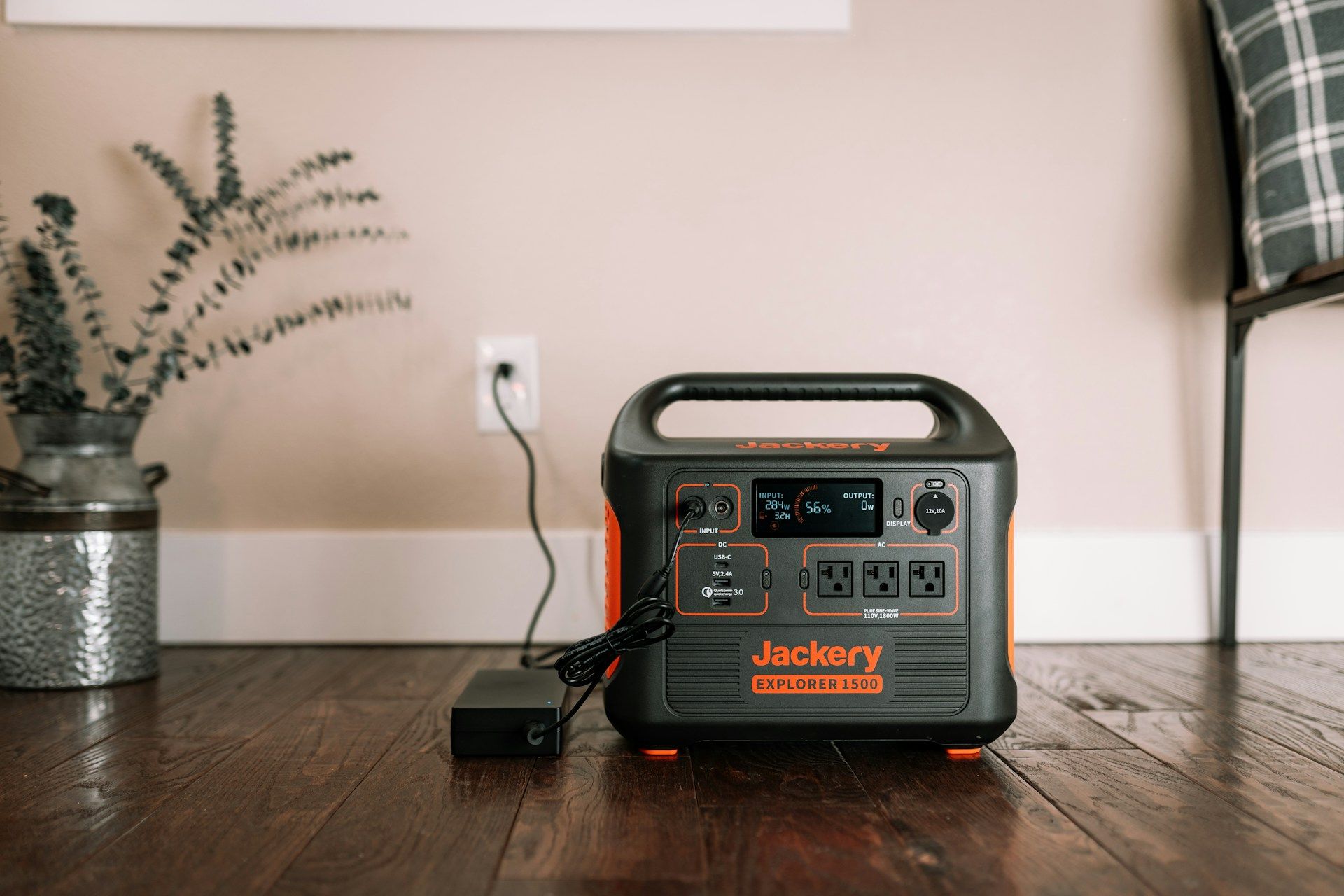

SolarEdge has been well-known for years for its solar inverters. With its home battery system, the SolarEdge Home Backup, the company has now gained a foothold in the energy storage segment of the industry.
In this review, our experts discuss the backup battery system's key performance details, costs, technology, and more. You'll also learn how SolarEdge compares to other reliable home backup battery systems on the market.
PowerOutage.us tracks power outages across more than 950 utilities serving over 200 million customers, covering roughly 96 percent of the United States. Knowing how often and how long your local utility loses power helps determine whether a single 9.7 kWh battery unit covers your needs.
What is the SolarEdge home battery backup system?
The SolarEdge Home Backup is a highly efficient backup energy system with scalable capacity. It features several smart technology features that help save money and provide automation at a mid-range price point. The system performs best within the SolarEdge inverter ecosystem, where its DC-coupled architecture can deliver its highest efficiency gains.
SolarEdge backup system components
There are three main physical components that make up the SolarEdge Home Backup system, detailed below.
SolarEdge Home Battery
The SolarEdge Home Battery is a type of lithium-ion battery that uses nickel manganese cobalt oxide (NMC) chemistry. NMC cells offer higher energy density than lithium iron phosphate (LFP) cells, which allows more storage in a smaller footprint. The tradeoff is lower thermal stability and a shorter cycle life compared to the LFP chemistry that competitors like Enphase Energy and FranklinWH favor. Each battery has a usable energy capacity of 9.7 kWh.
SolarEdge Home Hub Inverter
The SolarEdge Home Hub Inverter is what gives the system its standout efficiency. It has a DC-coupled design that provides 94.5% round-trip efficiency, meaning 94.5 cents of every dollar of stored energy reaches your home circuits.
This inverter can support up to three batteries and has a continuous output capacity of 5 kW per inverter unit. In multi-inverter configurations, output scales accordingly, allowing larger setups to supply more simultaneous load.
SolarEdge Home Backup Interface
SolarEdge's control unit, called the Home Backup Interface, connects the battery system to a home's circuit panel and manages core functions. The unit allows for automated switchover from grid to backup power during outages with minimal to no interruption, among other features. Users can connect up to three inverters to the interface.
SolarEdge capacity and power output
The base SolarEdge Home Backup system provides a usable energy capacity of 9.7 kWh. Up to three batteries can be stacked to increase capacity to 29.1 kWh per inverter.
SolarEdge Home Backup Interfaces can support up to three inverters, bringing the maximum total capacity up to 87.3 kWh. The continuous power output is 5 kW per inverter, with a peak capacity of 7.5 kW per inverter. Multi-inverter configurations multiply available output, which matters for larger homes running several high-draw appliances simultaneously.
What power ratings mean for whole-home loads
A battery system's power ratings outline its performance capabilities, detailing how much energy a system can store and output. The key specifications are:
- Usable energy capacity: The amount of energy a battery system can store.
- Continuous power output: The electrical load a system can supply consistently over long periods.
- Surge capacity: The maximum electrical load a system can manage during brief power spikes that occur when heavy-duty appliances are turned on.
How the SolarEdge battery works during outages
The Home Backup Interface on the SolarEdge Home Backup system can automatically switch a home's circuitry from grid power to battery power when an outage occurs.
SolarEdge systems also feature a manual on/off switch for direct user control that can override automatic functions. After an outage concludes, the interface switches back to grid energy and closes the connection to the battery to prevent dangerous backflow of electricity to utility lines.
PowerOutage.us monitors power outages across more than 950 utilities serving over 200 million customers, covering roughly 96 percent of the United States.
For homeowners sizing a SolarEdge Home Backup system, understanding local outage frequency and duration helps determine how many 9.7 kWh battery units make practical sense.
Smart SolarEdge Home Backup capabilities
The SolarEdge backup battery system uses smart technology to enable automated features and allow for advanced user control and monitoring. Smart capabilities include:
- WeatherGuard integration for automated responses to severe weather alerts
- Configurable backup settings
- Intelligent appliance prioritization
- EV charging integration and optimization
- Virtual Power Plant participation, where available through local utility programs
- Automated switchover during outages
- Integration with the mySolarEdge app
mySolarEdge app overview
Users can interact with their battery systems remotely through the mySolarEdge app, which offers features such as:
- Real-time performance and energy monitoring
- Historical performance and usage reporting
- Remote control capability
- Performance anomaly alerts
How much does the SolarEdge battery system cost?
The total installed cost of a SolarEdge Home Backup system typically ranges from $18,000 to $25,000 for a single-battery unit. This is in the middle of the average cost range for battery backup systems. You'll find a breakdown of costs in the sections below.
Equipment costs
The combined cost of SolarEdge Home Backup equipment ranges from $12,000 to $19,000, depending on the model selected. See a breakdown of individual component costs below.
- Home Battery: $7,000
- Home Hub Inverter: $1,400 to $3,200
- Home Backup Interface: $2,500 to $4,000
SolarEdge battery installation costs
Installation costs for a SolarEdge Home Backup system typically range from $3,000 to $5,000. Battery backup costs vary based on market rates for labor in a given location and the complexity of the installation work. Projects requiring electrical panel upgrades or additional permitting push toward the higher end of that range.
SolarEdge battery system cost factors
The factors that most influence the cost of a SolarEdge Home Backup system include:
- Choice of equipment: The model of backup system and the optional components added to your setup determine its base cost.
- Professional installation: Varying local labor rates and differences between installation sites affect the cost of hiring a licensed electrician to set up a Home Backup system.
- Financial incentives: SolarEdge backup equipment may qualify for state rebates depending on your location.
SolarEdge ROI considerations
In addition to serving as an emergency energy supply, these systems can save homeowners money. SolarEdge Home Backup can provide a return on investment in ways that include:
- Loss reduction: Backup battery systems keep refrigerators and freezers running when the grid goes down, helping to prevent food from spoiling and needing to be replaced.
- Net metering: Where local utility programs support it, the SolarEdge Home Backup system can participate in energy buyback arrangements. Availability depends on your utility and state, as many programs have shifted to reduced net billing structures.
- Time-of-use optimization: In areas where per-unit energy prices fluctuate based on time of day and demand, the SolarEdge system can switch the circuit panel to run on stored power instead of grid electricity to save money.
- Increased home value: Having a backup battery system installed in your home can add to its sales value and make it more attractive to potential buyers.
SolarEdge scalability: how many batteries can you have?
SolarEdge Home Backup systems can have up to nine batteries, with each inverter holding up to three 9.7 kWh batteries and the ability to connect up to three inverters to one interface. This allows for incremental scalability up to 87.3 kWh of usable energy capacity.
Is SolarEdge good for large homes?
With a maximum capacity of up to 87.3 kWh, the SolarEdge Home Backup can support the energy needs of larger homes. Homeowners can take advantage of the modular design to scale their capacity to their home's usage patterns.
Using the SolarEdge Home Backup system with solar
SolarEdge Home Backup systems are designed primarily for use within the SolarEdge inverter ecosystem.
Connecting the system to solar equipment from other manufacturers requires a SolarEdge optimizer installed at every solar panel, which adds both equipment cost and installation complexity.
Compared to AC-coupled alternatives like the Enphase IQ Battery 5P, which can pair with almost any existing solar inverter, the SolarEdge Home Backup is better described as a strong choice for new SolarEdge installations rather than a flexible retrofit option.
Warranty and expected battery longevity
SolarEdge provides a 10-year warranty with its Home Backup systems. This warranty guarantees that the system's batteries will still have at least 70% of their charging capacity after 10 years of operation, with no usage limits.
The 10-year warranty covers the guaranteed minimum performance window. Many battery systems continue operating usefully beyond that point, particularly those cycled partially rather than fully discharged on a regular basis.
Factors that affect battery lifespan
The working life of home backup batteries varies based on factors that include:
- Usage rates: Rechargeable batteries have a limited number of cycles in their lifespans, so the more often a battery is used and recharged, the sooner it will wear out.
- Charging habits: Home batteries tend to last longer when they are not fully discharged to 0%.
- Environment: Prolonged exposure to extreme heat or cold can impair a home battery's functionality and shorten its lifespan. NMC cells are more sensitive to high temperatures than LFP cells, making installation environment a more meaningful factor for SolarEdge batteries.
SolarEdge Home Backup vs. Tesla Powerwall and other batteries
Due to its scalability, the SolarEdge Home Backup system can reach more total usable energy capacity than any single Tesla Powerwall 3 unit. Below, we’ll get into some differences between SolarEdge and other backup options.
SolarEdge Home Backup
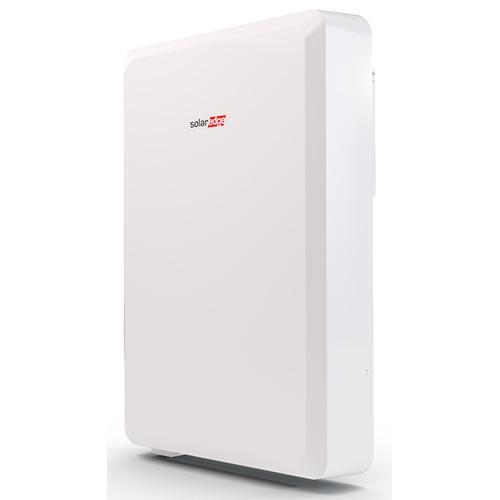
The SolarEdge Home Backup suits homeowners already invested in SolarEdge solar inverters and panels, where DC coupling delivers its 94.5% round-trip efficiency advantage. It also fits buyers who want scalable whole-home storage at a mid-range price without needing generator integration or cross-brand compatibility.
EcoFlow Delta Pro Ultra
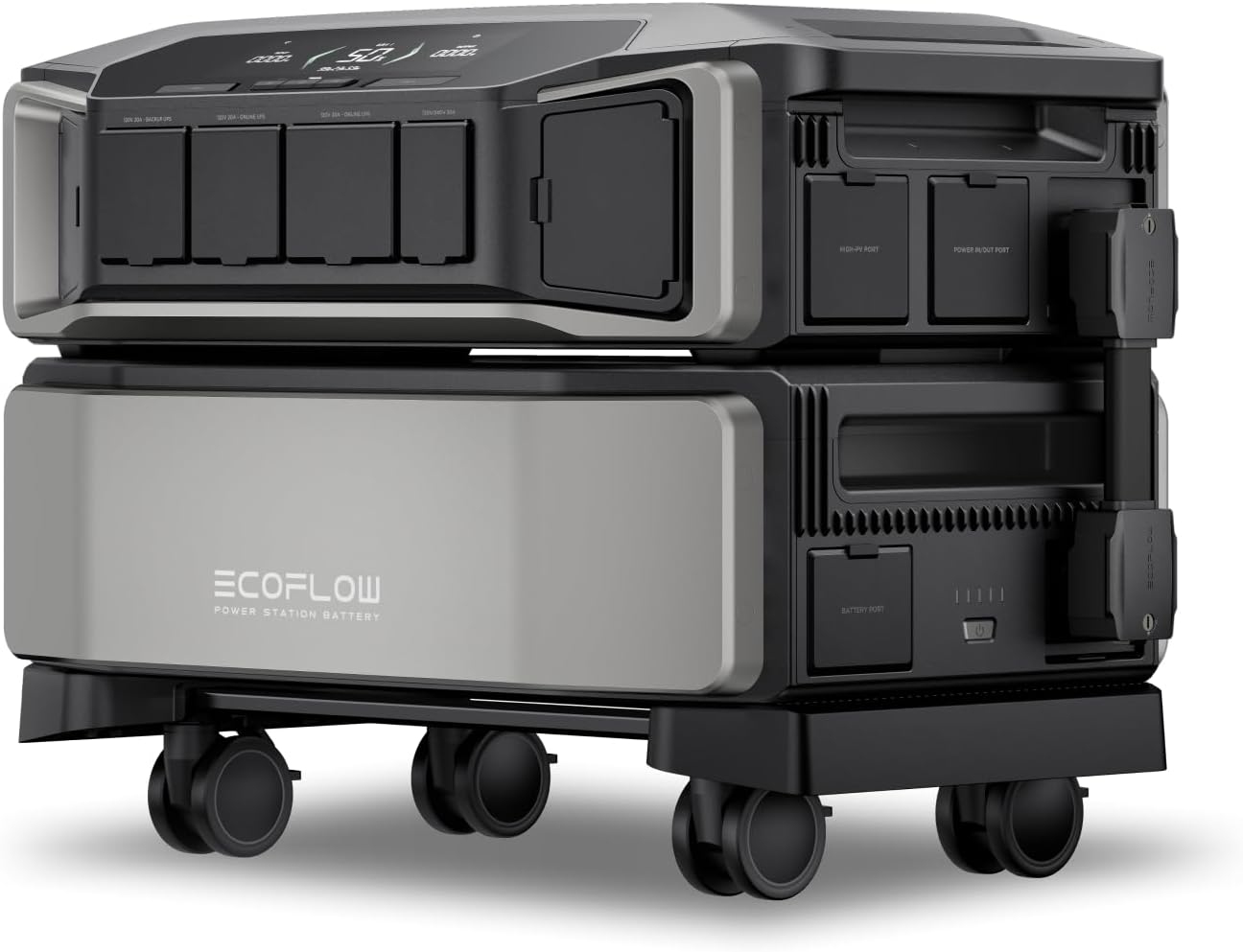
The EcoFlow Delta Pro Ultra scales to 90 kWh and costs less than SolarEdge at comparable capacities, but its 5-year warranty falls well short of the SolarEdge 10-year term. It also lacks the DC-coupled efficiency advantage and inverter ecosystem integration that SolarEdge Home Backup provides. It suits buyers who want portable, expandable storage without committing to a permanent whole-home installation.
Learn more: EcoFlow battery overview
Tesla Powerwall 3
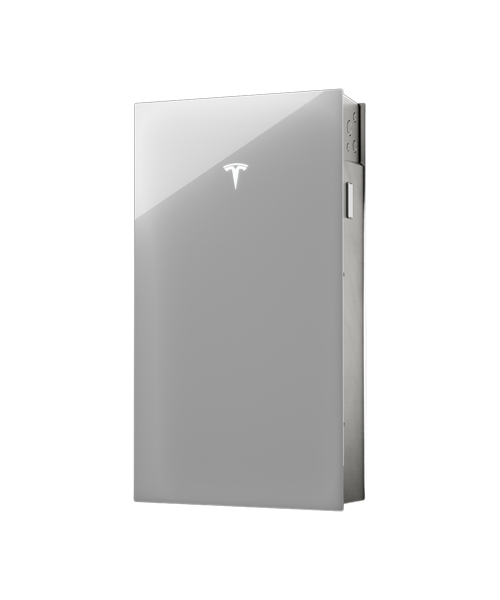
The Tesla Powerwall 3 packs 13.5 kWh with an integrated solar inverter and 11.5 kW continuous output per unit. It costs less than a comparably sized SolarEdge system and is simpler to install outside of the SolarEdge ecosystem. SolarEdge holds an advantage for buyers already invested in its inverter architecture, where DC coupling delivers 94.5% round-trip efficiency that the Powerwall 3 cannot match.
Learn more: Tesla Powerwall 3 overview
Generac PWRcell 2
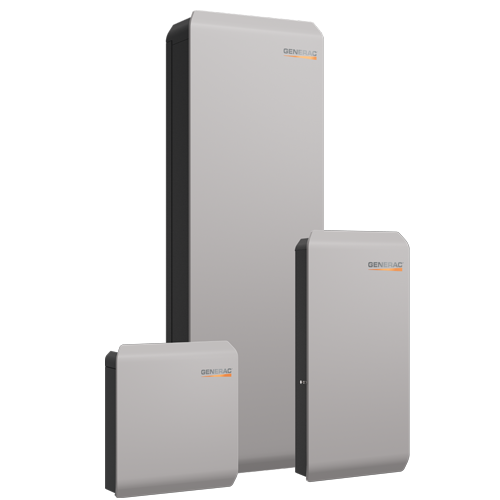
The Generac PWRcell 2 scales from 9 kWh to 72 kWh using stackable DCB battery modules and integrates seamlessly with Generac standby generators. That generator pairing gives PWRcell 2 an advantage during extended outages where stored energy alone runs out. SolarEdge does not support standby generator integration, which makes PWRcell 2 the stronger option for homeowners in regions with recurring multi-day outages.
Learn more: Generac PWRcell overview
FranklinWH aPower
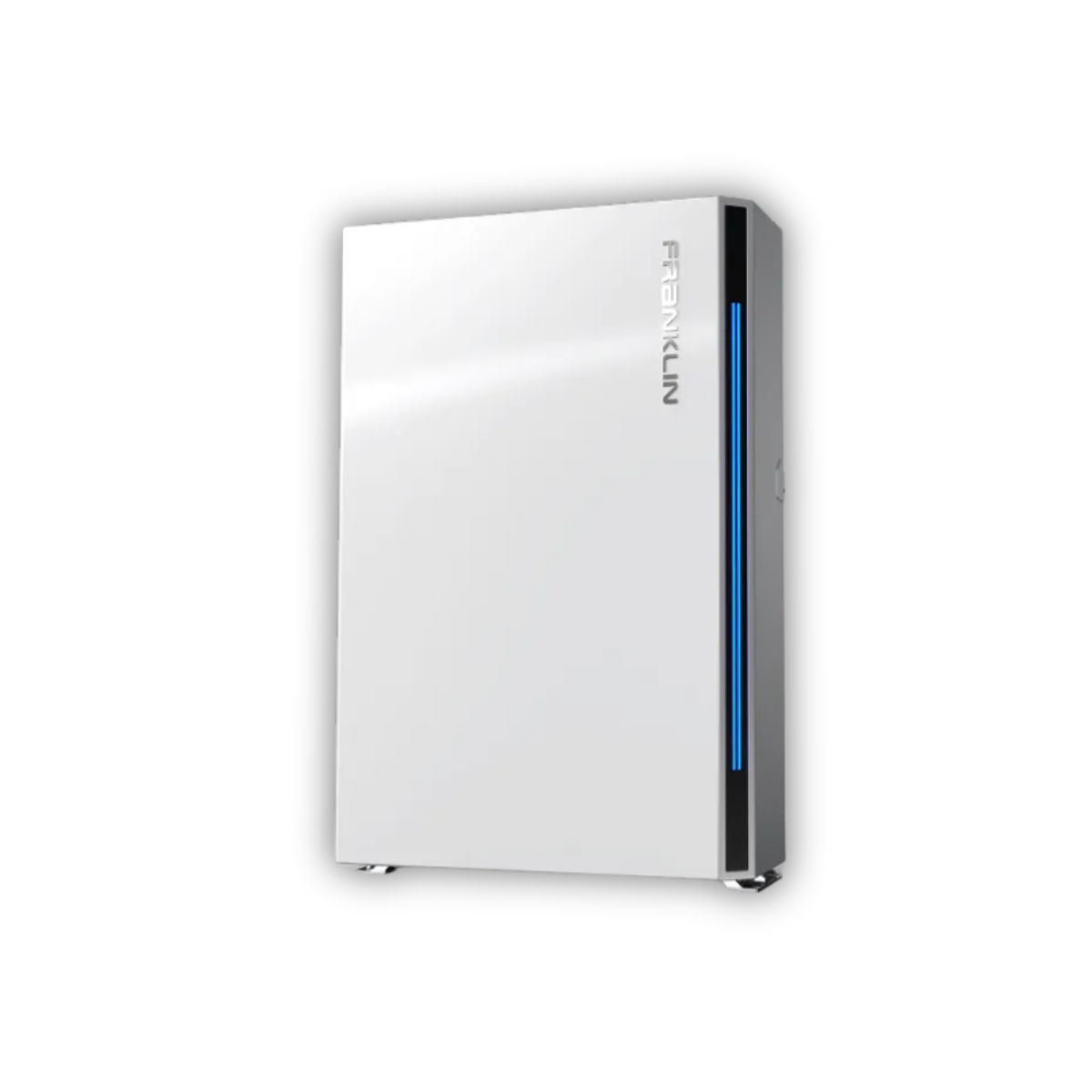
The FranklinWH aPower delivers 15 kWh per unit with a 15-year warranty and a built-in smart panel that simplifies installation. Its warranty term significantly outlasts SolarEdge's 10-year coverage, and its LFP cells offer a longer cycle life than the NMC chemistry in SolarEdge Home Batteries. It is a strong choice for buyers prioritizing long-term durability over ecosystem-level efficiency.
Learn more: FranklinWH battery overview
Enphase IQ Battery 5P
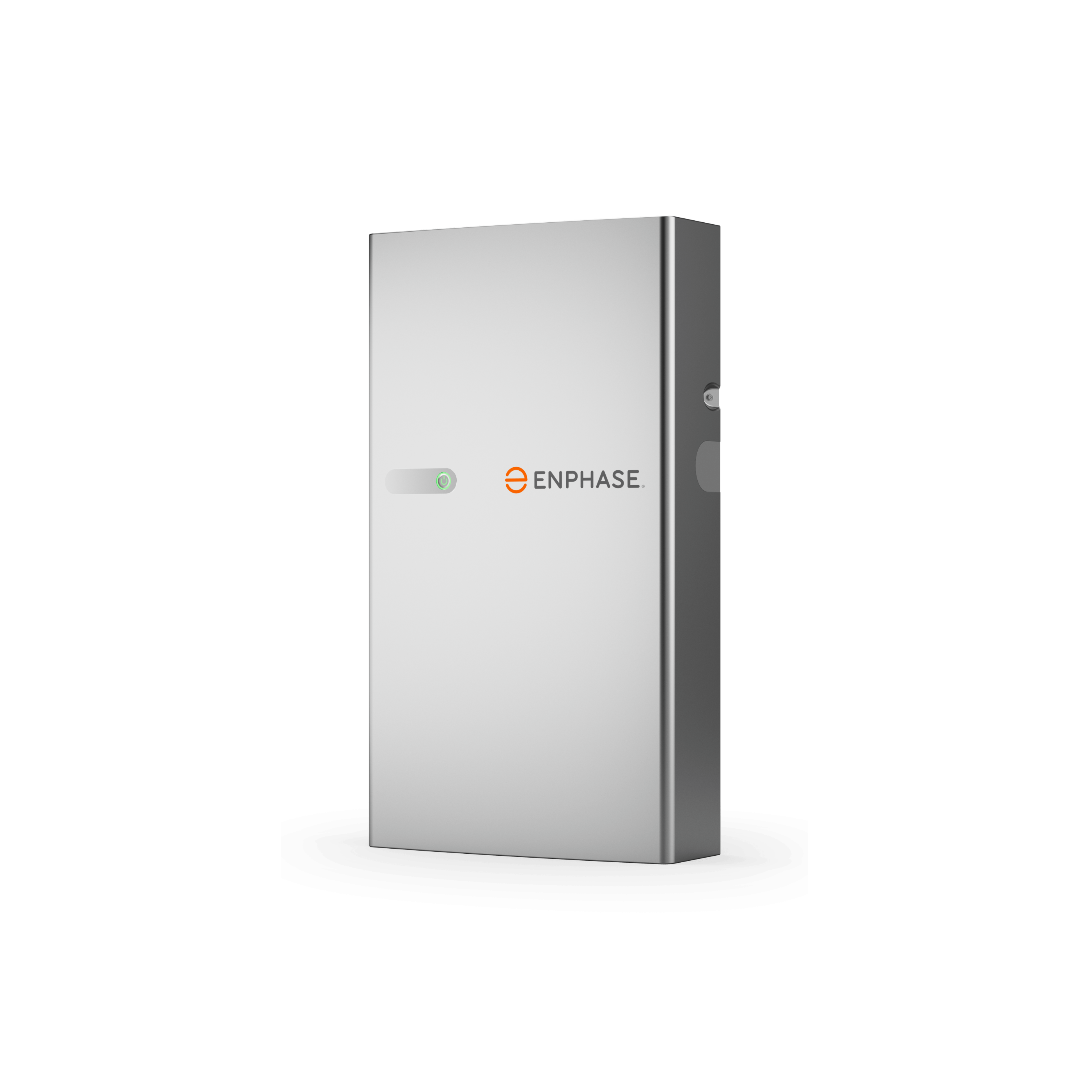
The Enphase IQ Battery 5P starts at 5 kWh per module and scales by adding units. AC coupling makes it more flexible for retrofitting into non-SolarEdge homes than the SolarEdge Home Backup, which requires SolarEdge inverter architecture for full integration. Per-module capacity is lower than SolarEdge's 9.7 kWh battery, so scaling to comparable storage requires more units at added cost.
Bluetti EP900
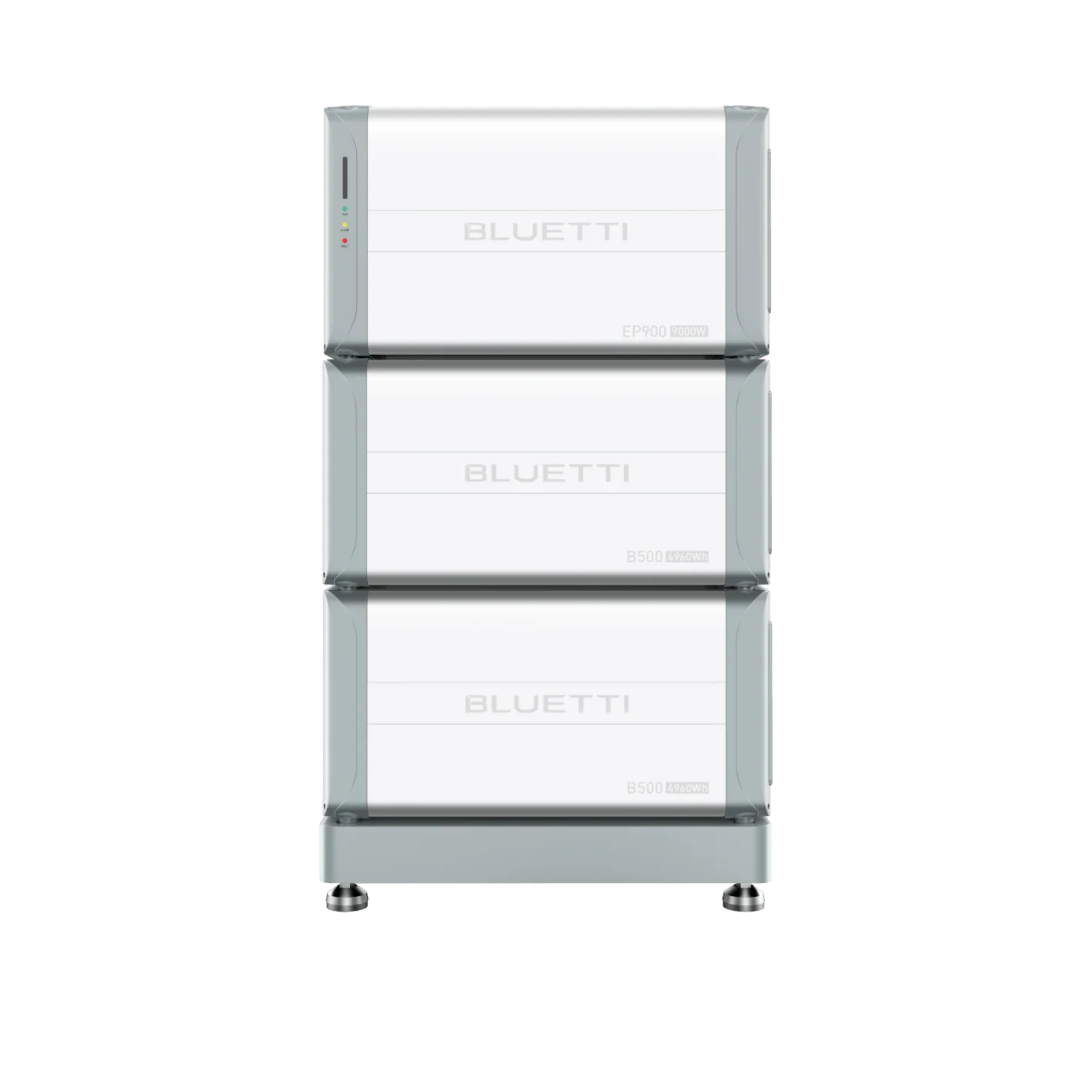
The Bluetti EP900 scales to 39.6 kWh with split-phase 120/240V output at a competitive price. It costs less than SolarEdge at comparable capacities but lacks the DC-coupled round-trip efficiency and inverter ecosystem integration that SolarEdge Home Backup provides. It suits buyers who prioritize storage volume over energy conversion efficiency.
Learn more: Bluetti battery overview
Sonnen ecoLinx
The sonnen ecoLinx stores up to 30 kWh using cobalt-free LFP cells and integrates with leading home automation platforms for device-level energy control. A 15-year, 15,000-cycle warranty backs the system, significantly outlasting SolarEdge's 10-year term. SolarEdge holds an advantage in round-trip efficiency and ecosystem integration for homeowners already using SolarEdge solar equipment.
Learn more: Sonnen ecoLinx overview
Two once-prominent residential battery options have since left the market. SunPower's SunVault storage system is no longer available following the company's acquisition by Complete Solaria, which repositioned SunPower as an installation company offering Enphase Energy systems. The LG RESU Prime has similarly disappeared from residential shelves after LG Energy Solution exited the home storage segment entirely.
Bottom line on the SolarEdge Home Backup
The SolarEdge Home Backup is a mid-market battery backup system that offers a high degree of scalability and top-tier energy retention efficiency through its DC-coupled Home Hub Inverter. It also comes with a generous 10-year warranty. Homeowners looking for a high-efficiency backup battery will want to take a closer look at the SolarEdge system, particularly if they are also considering or already using the company's solar array equipment and inverters.