
German manufacturer sonnen has built a reputation in the energy storage industry for manufacturing quality and system longevity. The ecoLinx is the company's flagship residential battery storage system for smart home integration, and it reflects that focus. This guide covers the system's specifications, features, costs, and how it compares to other leading home battery options.
PowerOutage.us overlays NOAA weather radar on live outage maps covering 950 utilities to show which storm types cause the longest local blackouts. For households evaluating the Sonnen ecoLinx, that context helps determine whether a whole home LFP battery system fits the local grid's failure patterns.
What is the Sonnen ecoLinx battery backup system?
The sonnen ecoLinx is a whole-home battery backup system that combines LFP storage, an integrated inverter, and sonnen's energy management software in a single unit. It connects with leading home automation platforms, allowing the system to adjust household energy use automatically without sacrificing comfort. That smart integration is a practical advantage for homeowners who already run connected devices or smart thermostats.
Sonnen ecoLinx system components
The ecoLinx consolidates its hardware into two core components. Understanding what each does helps clarify why the system costs more than many competitors.
The ecoLinx storage unit
The sonnen ecoLinx uses lithium iron phosphate (LFP) cells for energy storage. LFP chemistry avoids cobalt, which reduces environmental impact and lowers thermal runaway risk compared to NMC alternatives. Capacity scales from 12 kWh to 20 kWh in 2 kWh increments, or as a single 30 kWh unit. That upper limit covers most residential loads comfortably, though very large homes with high daily consumption may need to plan capacity carefully.
The ecoLinx carries a 15-year, 15,000-cycle warranty with an expected lifetime energy throughput of 248 MWh. That figure is measurable and meaningful. Most competing systems warranty out at 10 years and 6,000 to 10,000 cycles, so the ecoLinx has a clear longevity advantage on paper. Whether that translates to lower long-term cost depends on installation price and local electricity rates.
The Sonnen inverter and energy manager
The ecoLinx includes an integrated inverter that manages charging, discharging, and grid interaction.
Sonnen's onboard energy manager uses algorithmic learning to analyze household consumption patterns and adapt system behavior over time. It can pre-charge the battery before incoming storms and shift energy use away from peak rate periods automatically.
New users may not notice the optimization immediately. The system improves its accuracy as it accumulates more data about a home's usage habits.
ecoLinx capacity and power output
The ecoLinx scales from 12 kWh to 30 kWh depending on configuration. Sonnen rates the system with an ultra-fast response time, which means backup activation is seamless during outages.
That matters for sensitive electronics like computers and medical devices, where even a brief power interruption can cause problems.
What do power ratings mean for whole-home loads?
Power ratings on home battery systems determine whether a system can sustain a home's full load or only critical circuits. The key metrics are:
- Usable capacity: Total stored energy available on a full charge, measured in kWh.
- Continuous output: Maximum power the system delivers during normal operation.
- Surge output: Short-burst capacity when appliances start up and spike their draw.
Each metric matters independently. A system with high capacity but low continuous output may run out of power before it runs out of stored energy. Matching these figures to a home's actual load profile is the starting point for sizing any backup system correctly.
How the Sonnen ecoLinx works during outages
When the grid goes down, the ecoLinx detects the outage and switches to battery power automatically. The transition is fast enough that most homeowners won't notice the changeover.
The energy manager then prioritizes stored energy across connected circuits, keeping essential loads running for as long as capacity allows.
Backup duration depends on how much capacity is installed and how much load the home draws. A 20 kWh system running a modest load of 1 kW will last roughly 20 hours.
Add an air conditioner or electric water heater and that window shrinks considerably. Homeowners with high baseline consumption should size toward the 30 kWh configuration.
Smart ecoLinx capabilities
The ecoLinx integrates with leading home automation platforms, which sets it apart from most battery-only systems.
That integration allows the battery to respond to signals from smart thermostats, lighting systems, and other connected devices. Energy use adjusts in real time based on both grid conditions and home activity.
Smart capabilities in the ecoLinx include:
- Adaptive optimization using machine learning to improve efficiency over time
- Weather-responsive pre-charging before storms
- Home automation platform integration for device-level energy control
- Remote monitoring and control through the sonnen mobile app
- Virtual Power Plant enrollment through sonnenConnect
The automation layer is where the ecoLinx earns its price premium over simpler systems. A standard battery backup stores and delivers energy. The ecoLinx actively manages when and how that energy moves, which can reduce grid dependence and lower bills beyond what passive storage alone achieves.
Sonnen app overview
The sonnen mobile app for iOS and Android connects homeowners to the ecoLinx system remotely.
Through the app, users can view real-time energy flow, track historical performance, set battery reserve levels, choose operating modes, and monitor earnings from VPP participation. The app becomes more useful over time as the system builds a consumption history to display.
How much does the Sonnen ecoLinx cost?
A fully installed sonnen ecoLinx system typically ranges from $12,000 to $30,000. Equipment costs depend heavily on which capacity configuration is selected.
Equipment costs
Sonnen ecoLinx equipment costs roughly $1,000 to $2,000 per kWh of installed capacity. A 12 kWh base configuration sits at the lower end of that range. A 30 kWh system pushes costs significantly higher before installation is factored in.
Sonnen battery installation costs
The ecoLinx requires a licensed electrician for installation because of the integration with home electrical infrastructure. Installation costs typically run from $1,000 to $5,000 depending on job complexity, panel condition, and local labor rates.
Sonnen battery cost factors
Several variables affect total installed home battery cost:
- System capacity: Higher-capacity configurations carry higher equipment prices.
- Installation complexity: Older panels, difficult mounting locations, or additional transfer hardware increase labor time and cost.
- Local labor rates: Electrician rates vary significantly by region, and that variance shows up directly in the final bill.
These factors interact. A 20 kWh system in a market with high labor costs may exceed the total price of a 30 kWh system installed in a lower-cost region.
Sonnen ecoLinx ROI considerations
The ecoLinx offers several paths to financial return beyond outage protection:
- VPP earnings: Enrolling in sonnenConnect allows homeowners to share stored energy with the grid during peak demand events and receive compensation in return.
- Time-of-use management: The energy manager shifts consumption away from high-rate periods, reducing the effective cost of electricity over time.
- Loss prevention: Keeping refrigerators and freezers running during outages avoids food spoilage costs that add up quickly during extended events.
The VPP option is worth examining carefully before purchase. Enrollment is free, but profits are shared with sonnen and its partners. The net return depends on local utility programs and how often grid services are called upon in a given area.
Sonnen ecoLinx scalability: How many batteries can you have?
The ecoLinx scales from 12 kWh to 30 kWh within a single system configuration. The 2 kWh increment options between 12 and 20 kWh let installers right-size the system without overbuilding. The 30 kWh single-unit option suits homeowners who want maximum capacity without managing a multi-unit setup.
Is the Sonnen ecoLinx good for large homes?
The ecoLinx can cover most large homes at its 30 kWh maximum capacity, but high-consumption homes with electric vehicles, large HVAC systems, or pool equipment may need to prioritize loads. The energy manager helps with that by allowing users to configure which circuits take priority during an outage.
Using the Sonnen ecoLinx with solar
The ecoLinx integrates with any solar array because of its AC-coupled design. It does not require sonnen-brand panels or a specific inverter, which makes it a practical retrofit option for homes that already have solar installed.
Each system accepts solar input for daytime charging and stores excess production for overnight or outage use.
AC coupling means the solar inverter and battery inverter operate independently. The solar array converts DC power to AC for home use, and the battery inverter reconverts a portion of that AC back to DC for storage.
This adds one conversion step compared to DC-coupled systems, which can reduce round-trip efficiency slightly. For most homeowners the difference is marginal, but it becomes more relevant when optimizing a large array for maximum self-consumption.
Warranty and expected battery longevity
The sonnen ecoLinx carries a 15-year, 15,000-cycle warranty backed by an expected lifetime throughput of 248 MWh. That warranty term is longer than most residential competitors, which typically offer 10 years. Under normal daily cycling, a 15,000-cycle rating can extend well beyond the warranty period.
Factors that affect battery lifespan
Battery lifespan varies with usage and environment regardless of warranty terms:
- Usage rate: More frequent full cycles shorten the usable life of LFP cells over time.
- Operating temperature: Prolonged exposure to extreme cold slows chemical reactions in LFP cells and can reduce capacity over many cycles.
- Maintenance: Periodic inspection for corrosion, firmware updates, and connection checks preserve performance over the long term.
LFP chemistry is more tolerant of heat and deep discharge than NMC, which gives the ecoLinx a durability advantage in warmer climates or homes where the battery cycles daily.
How does the Sonnen ecoLinx compare to other home batteries?
The ecoLinx sits at the premium end of the residential storage market. Its 15-year warranty and smart home integration justify a higher price point for the right buyer, but simpler systems offer competitive storage at lower cost.
Sonnen ecoLinx
The sonnen ecoLinx stores up to 30 kWh using cobalt-free lithium iron phosphate cells and integrates with leading home automation platforms for device-level energy control. A 15-year, 15,000-cycle warranty backs the system, making it one of the longest-covered residential battery options on the market.
EcoFlow Delta Pro Ultra
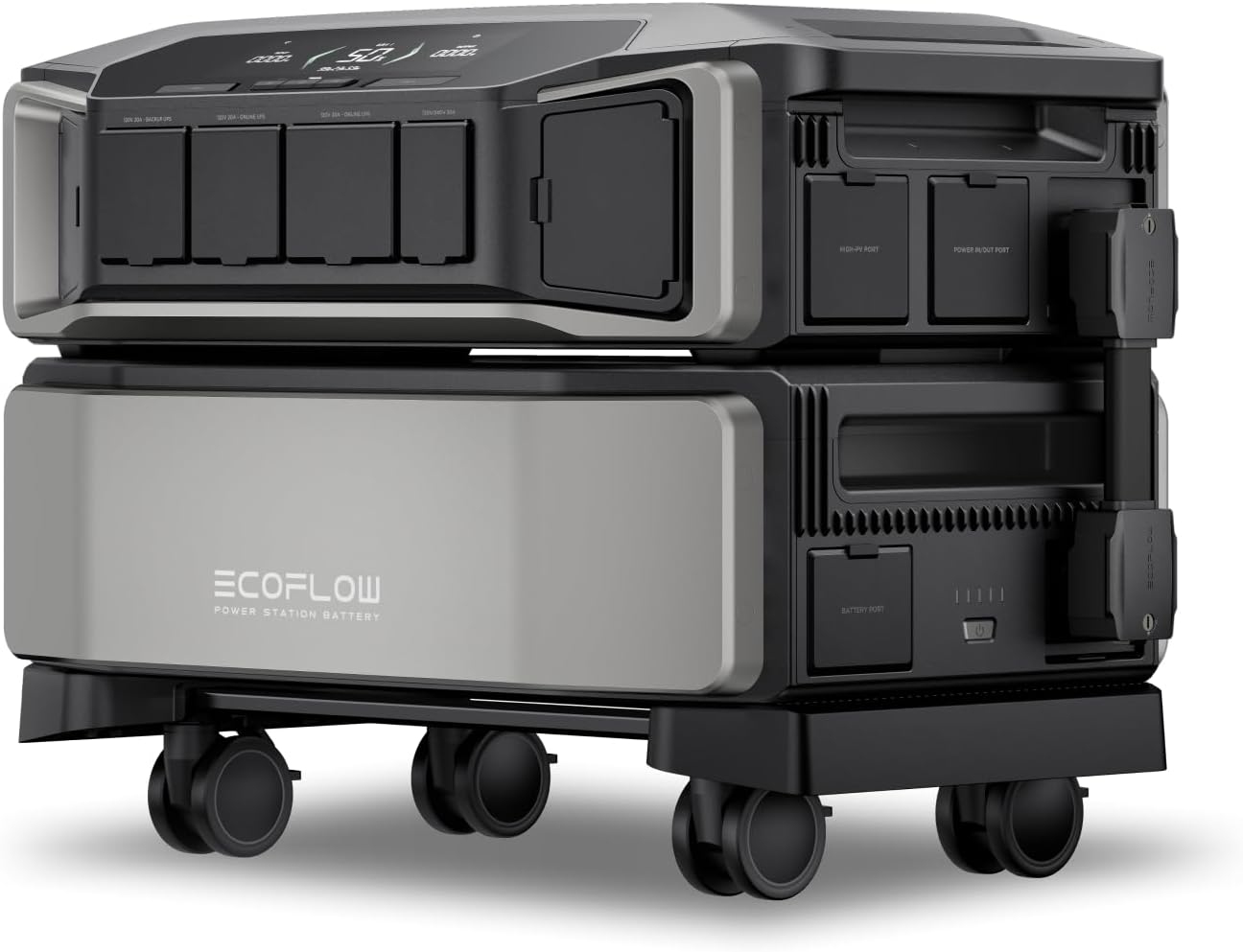
The EcoFlow Delta Pro Ultra scales to 90 kWh and costs less than the ecoLinx, but its 5-year warranty falls well short of the ecoLinx's 15-year term. It suits buyers who want portable, expandable storage without committing to a permanent whole-home installation.
Learn more: EcoFlow battery overview
Tesla Powerwall 3
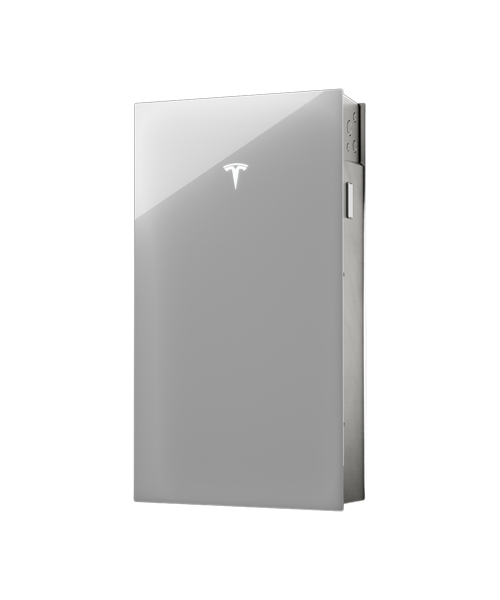
The Tesla Powerwall 3 packs 13.5 kWh with an integrated solar inverter and 11.5 kW continuous output. It costs less than the ecoLinx and covers whole-home loads well, but its 10-year warranty and limited automation depth give the ecoLinx an edge for buyers prioritizing longevity and smart home integration.
Learn more: Tesla Powerwall 3 overview
FranklinWH aPower
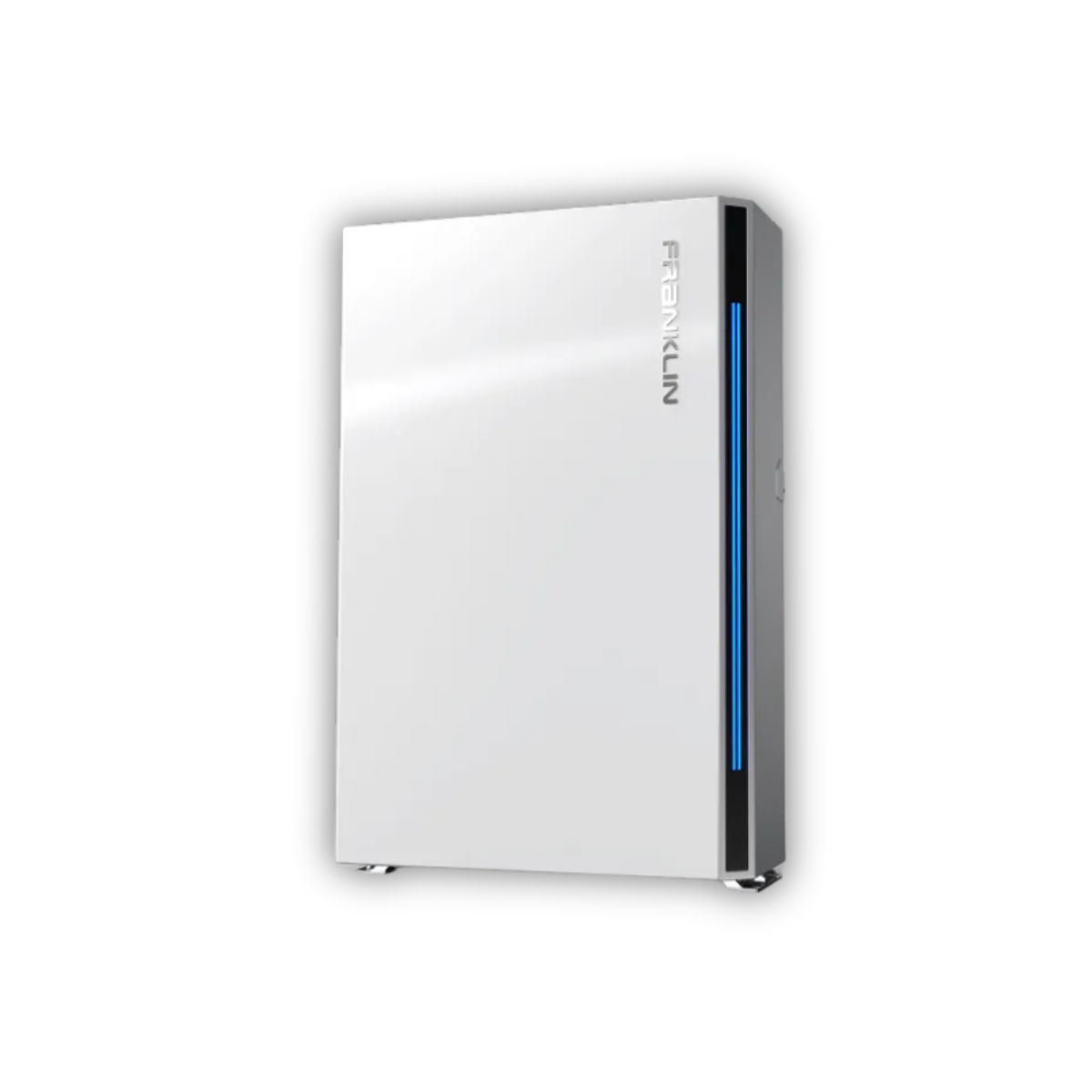
The FranklinWH aPower delivers 15 kWh per unit with a 15-year warranty and a built-in smart panel that simplifies installation. It matches the ecoLinx on warranty length and load management capability, making it the closest direct competitor for buyers focused on long-term value over automation features.
Learn more: FranklinWH battery overview
Enphase IQ Battery 5P
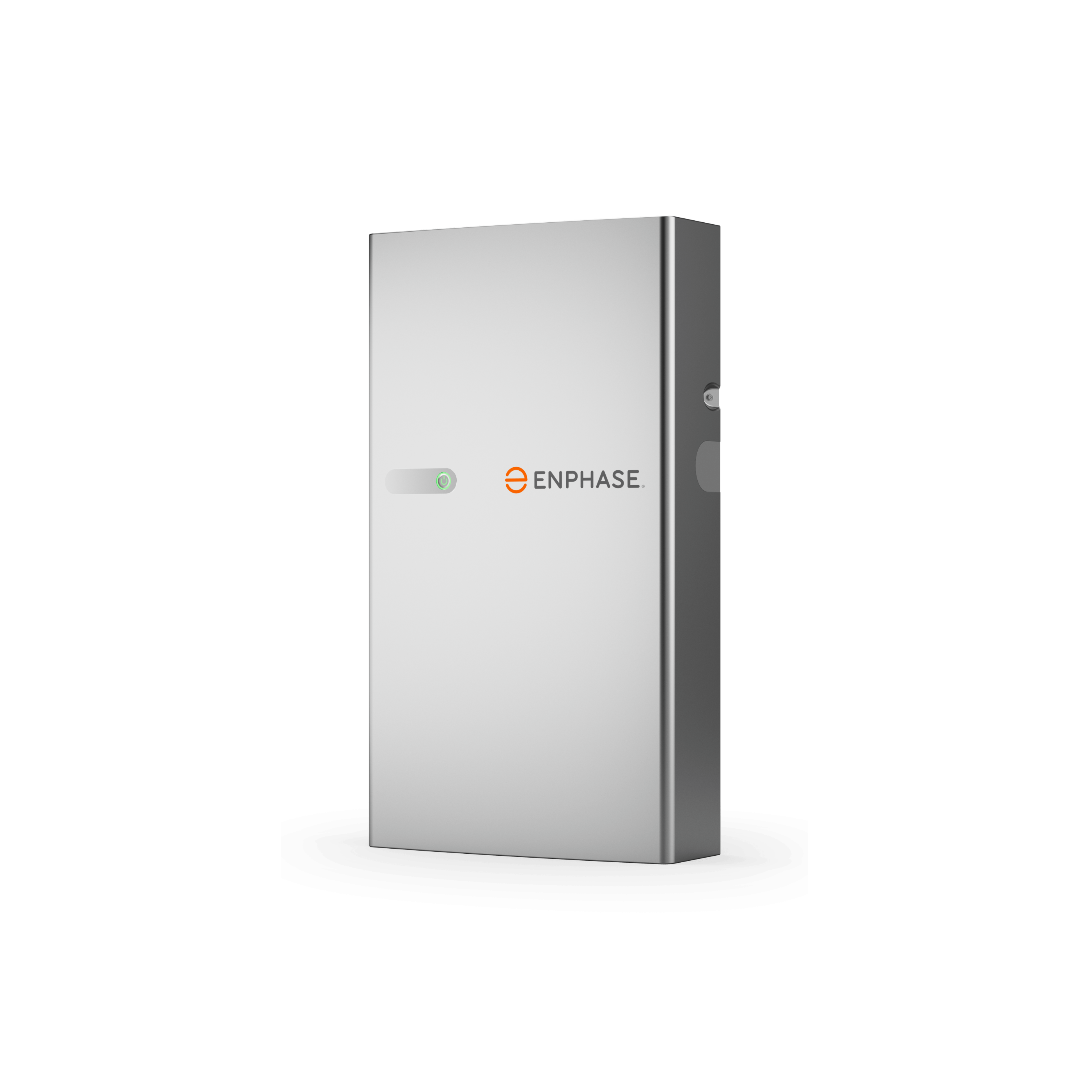
The Enphase IQ Battery 5P starts at 5 kWh per module and scales by adding units. Each module outputs 3.84 kW continuous and 7.68 kW peak. AC coupling suits existing solar installations, but per-module capacity is low compared to the ecoLinx, and scaling to comparable storage requires multiple units at added cost.
Generac PWRcell
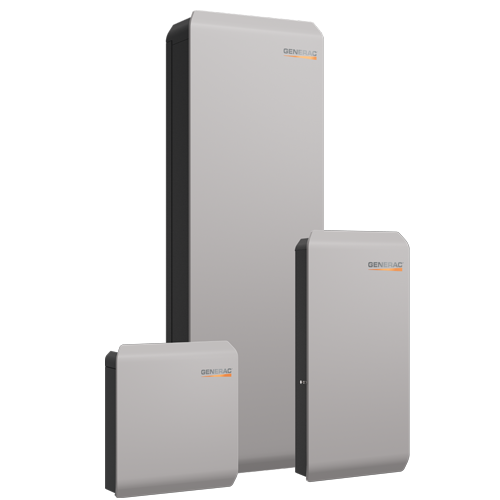
The Generac PWRcell scales from 9 to 18 kWh with native generator integration, which the ecoLinx does not offer. That makes it a stronger fit for homeowners who want gas backup alongside battery storage. The ecoLinx holds an advantage in smart home automation and warranty length.
Learn more: Generac PWRcell overview
SolarEdge Home Battery
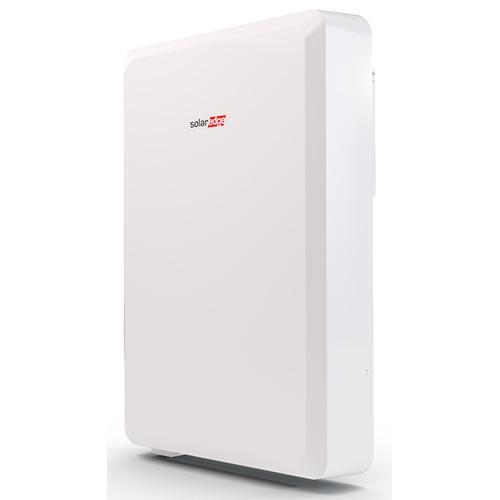
The SolarEdge Home Battery is DC-coupled at 9.7 kWh, which improves round-trip efficiency by skipping an AC conversion step. It works only within the SolarEdge ecosystem, which limits flexibility. The ecoLinx is AC-coupled and pairs with any solar array, making it the broader choice for retrofit installations.
Learn more: SolarEdge battery guide
Bluetti EP900
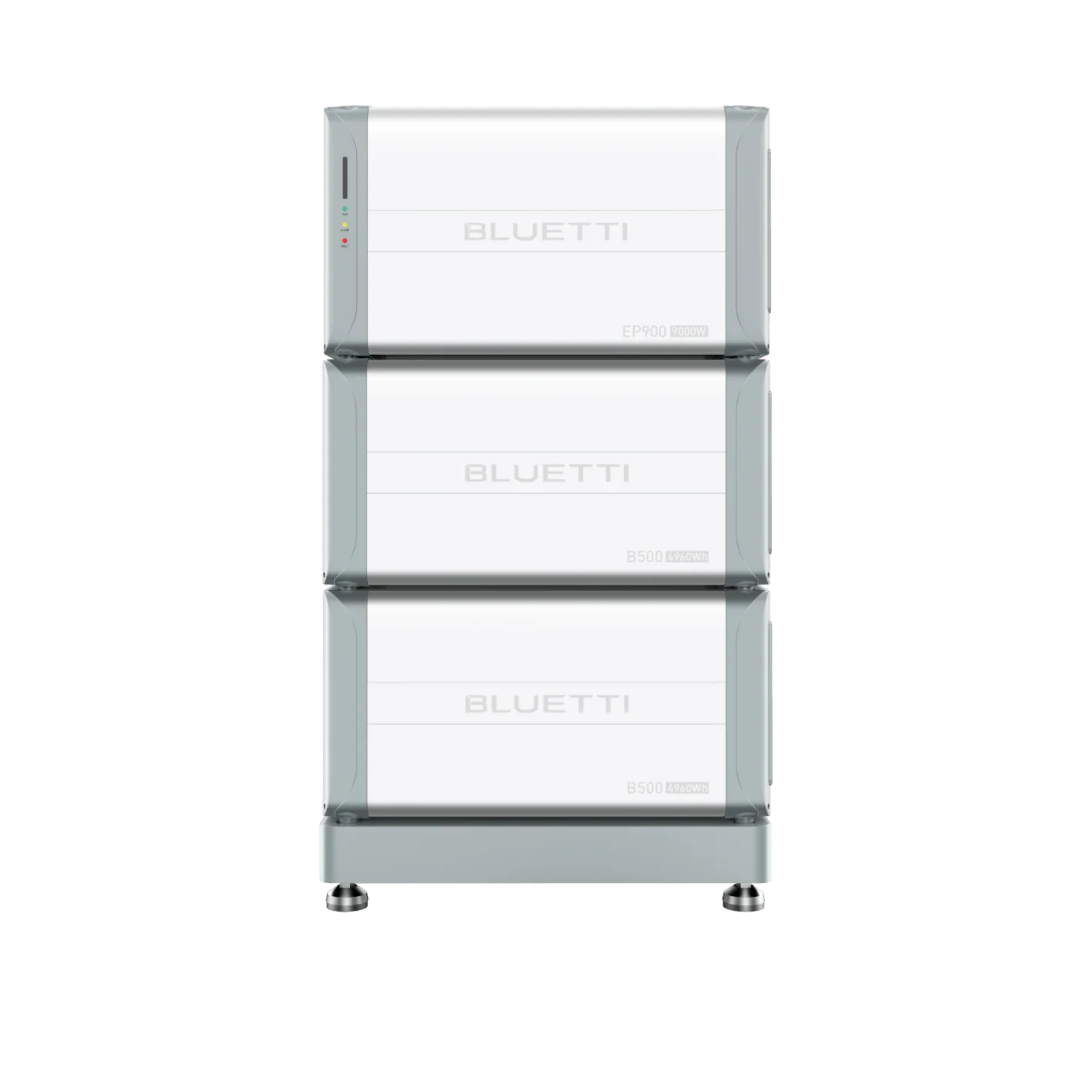
The Bluetti EP900 scales to 39.6 kWh with split-phase 120/240V output at a competitive price. It offers more raw capacity than the ecoLinx at the top end, but lacks home automation integration and VPP enrollment. It suits buyers who prioritize storage volume over smart energy management.
Learn more: Bluetti battery overview
We’ve also reviewed SunPower and LG batteries. The SunVault battery from SunPower was once a popular choice but is no longer on the market. After being acquired by Complete Solaria, SunPower now operates primarily as an installer offering Enphase Energy battery systems. Similarly, the LG RESU Prime has largely disappeared from the market following LG Energy Solution’s exit from residential energy storage.
Bottom Line on the Sonnen ecoLinx
The sonnen ecoLinx is a strong long-term investment for homeowners who want more than a passive backup battery. Its 15-year, 15,000-cycle warranty, LFP chemistry, and home automation integration make it one of the more technically capable residential systems available.
The premium price is real, and it requires a genuine use case to justify. Homeowners who will actively use VPP enrollment, time-of-use management, and smart home automation will get the most value from the ecoLinx. Those who need basic outage protection alone may find simpler systems sufficient.