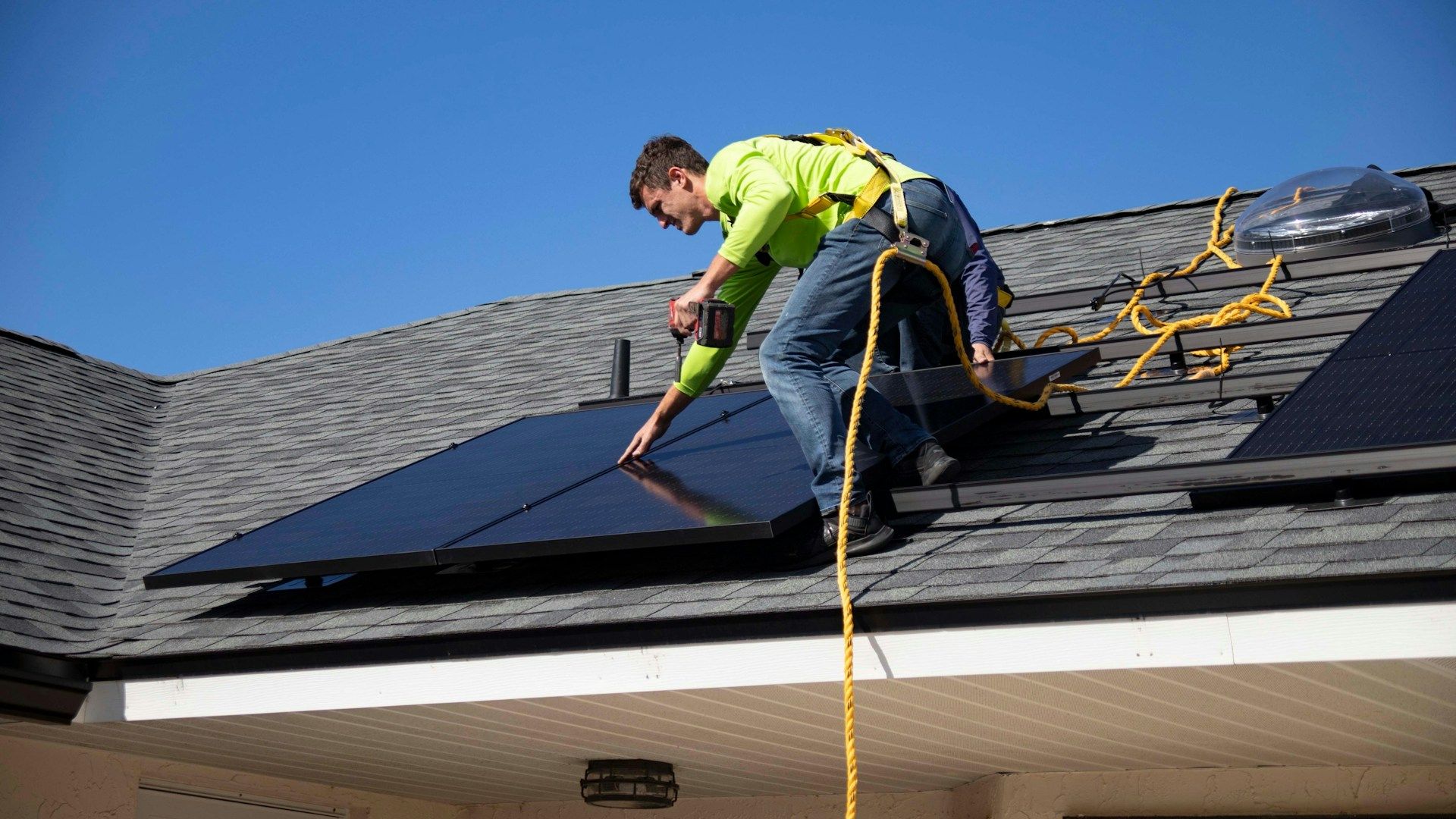

When considering solar, you may be wondering whether solar panels can damage your roof. If installed properly, they should not. In fact, if installed correctly by a professional, there’s very little risk of damage at all. In this guide, we’ll walk you through safe solar panel installation and explain what you should know, from roof types and mounting systems to signs to watch for.
PowerOutage.us tracks 950+ utilities serving 200+ million customers, grounding roof-risk questions in verified storm and outage-impact data. We review installation practices keeping in mind real-world weather events, helping homeowners assess penetration methods, waterproofing standards, and structural load before going solar.
Preventing roof damage from solar panel installations
The biggest roof-damage risks associated with installing solar panels come from poor flashing and improper mounting. In many installs, crews must drill holes to secure mounting racks, and those penetrations are where solar panels damage roof decks if they aren’t sealed and flashed correctly. If water gets past the flashing, it can soak underlayment and sheathing, leading to mold, rot, or interior ceiling stains.
Choosing the right installer is crucial, because a careful crew will set standoffs correctly, install flashing that matches the roofing system, and seal every penetration to prevent solar-related roof leaks.
They should also place attachments into rafters (not just thin decking), avoid brittle areas near ridge caps, and keep clear of valleys where water concentrates—common zones where solar panels damage roof surfaces when hardware is placed poorly.
In the table below, you’ll find key factors to bear in mind when installing solar panels. Understanding where failures occur (penetrations, water paths, and structural loading) helps you reduce the chance that solar panels damage roof materials now or years later.
| Key factor | Why it matters | What to watch for |
|---|---|---|
| Installation method | Poor installs can cause leaks, cracked shingles, or broken tiles | Use experienced, licensed installers who follow roofing-specific flashing details |
| Roof condition | Old, soft, or already-leaking roofs are more prone to damage | Repair or replace the roof before panels go on; document existing issues |
| Mounting hardware | Penetrations must be sealed and flashed to stop water intrusion | Use proper flashing kits, compatible sealants, and correct standoff spacing |
| Roof material fragility | Some materials (tile, shake) are more fragile | Ask how they prevent tile breakage and how they source replacement tiles |
| Weight load | Adds stress to framing and decking | Verify structural capacity; involve an engineer when needed |
| Drainage issues | Racking can change water flow and trap debris | Keep clear drainage paths and maintain setbacks from valleys and gutters |
| Fire or electrical risks | Faulty wiring can damage the roof or cause heat-related issues | Use permitted work, code-compliant wiring, and certified equipment |
| Warranty coverage | Roof warranty may change after penetrations | Check roof warranty terms and get written confirmation where possible |
| Installer liability | Covers damage during or after install | Confirm workmanship warranty and who pays for leak repairs |
| Maintenance access | Layout can complicate roof repairs or re-roofing | Confirm panels can be removed without destroying roofing materials |
Use mounting systems suited to your roof type
The mounting system for a solar panel array will vary based on the roof type, and the wrong hardware choice is a common reason solar panels can damage roof coverings.
- To properly install solar panels on asphalt shingles, you’ll typically need flashing plates with lag bolts that hit rafters. When installed correctly, the flashing covers the penetration points and routes water over the shingle courses, reducing the chance of leaks.
- Metal roofs, especially standing-seam roofs, often use seam clamps so the system attaches without puncturing the panels. That clamp-based approach can lower leak risk because it avoids new holes, and it avoids the possibility of roof damage from solar.
- Installing solar panels on tile requires tile hooks or replacement mounts designed for tile profiles, because tiles can crack if hardware loads them incorrectly. A tile-specific mount system integrates with the roof so the attachment doesn’t grind against the tile and doesn’t create a gap that channels water.
Inspect roof condition before install
One of the most important steps to prevent roof damage is to inspect your roof before installing solar panels. You should identify any weak spots or leaks in your roof and perform any necessary maintenance. If you have a flat roof, make sure there are no areas where water is pooling. Installers should inspect and document the roof before drilling, both to assess the roof and to protect you, themselves, and the installation company.
Monitor post-installation signs of issues
Once you’ve successfully installed your solar panels, you’ll want to keep an eye on your roof to make sure there’s no subsequent damage. You should periodically check for panel shifting or uplift and inspect your attic for water stains or mold. If your solar installer offers it, request an annual inspection as part of your maintenance plan. Take photos for comparison. These will be especially helpful to cross-match year over year.
Bottom line: avoiding solar-related roof damage
There are three main factors in avoiding solar-related roof damage: proper roof preparation, high-quality mounting, and skilled installation. Inspecting your roof for existing damage will help you save time and money if an issue arises during or after installation.
Using quality mounting equipment and watertight flashing will keep water from leaking into the roof. And a good installer will understand how best to work with your roof type to prevent long-term leaks and stress on your roof.
Going solar isn’t for everyone, especially if there’s a greater chance of roof damage. Be sure to weigh the pros and cons before making a final decision.