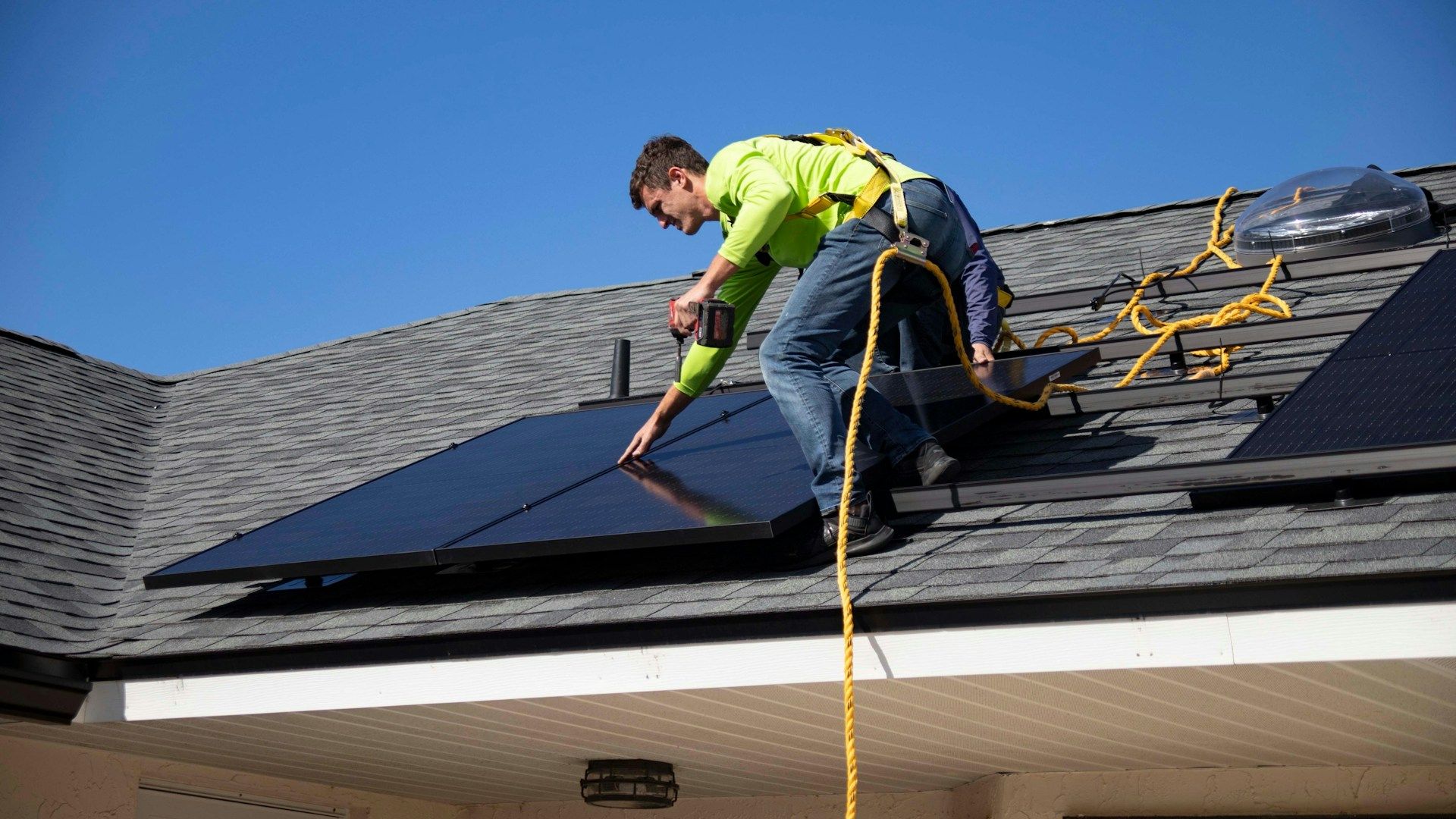

Going solar in Connecticut now averages about $3.65 per watt. That means you can expect to pay roughly $3,653 per kilowatt (kW) of installed capacity before incentives. For example, a 5 kW system typically costs around $18,650, while a 1 kW system costs about $3,730 before incentives. A typical 5 kW system has a pre-incentive payback period of 8.3 years and estimated 20-year savings of $26,076. Note that the Residential Clean Energy Credit is not available for any installation completed after December 31, 2025.
However, a 5 kW system isn't necessarily the best size for homeowners in Connecticut. According to our data, Connecticut residents currently pay an average of 29.55c per kWh, with a typical electric bill of around $186.30 per month for 630 kWh of consumption. Considering this energy usage, a 6 kW system is ideal to cover the energy needs of most.
How long does it take to see a return on your investment in Connecticut?
In Connecticut, it takes about 8.3 years to break even considering energy costs saved after paying for a system.
The upfront cost is what you pay for a system (whether you pay cash or finance doesn't factor in this equation). The payback period is the amount of time until you break even on your investment considering savings from energy bills. And the net 20-year savings is what you save over 20 years minus the upfront costs. All of these work together to show how much you could save with solar in the state.
| 5 kW System | Connecticut Average | U.S. Average |
|---|---|---|
| Upfront Cost | $18,650 | $17,900 |
| Payback period | 8.3 Years | 9.5 Years |
| Net 20-year savings | $26,076 | $19,617 |
| These are estimates. Getting personalized quotes from local installers is crucial for accurate pricing. | ||
Is Connecticut good for home solar panels?
To gauge potential, we look at average roof size, system capacity, and electrical production.
- Roof size: 545.2 sq. ft.
- System capacity: Up to 8,683.763 kW DC
- Electricity production: About 1,368.146 kWh AC per year
On average, a solar power system in Connecticut can lower your electricity bill and pay for itself over time.
Below you can see power generation, cost, and savings of different system sizes.
| 2 kW System | 3 kW System | 4 kW System | 5 kW System | 6 kW System | |
|---|---|---|---|---|---|
| Roof Space | 143 ft2 | 215 ft2 | 286 ft2 | 358 ft2 | 429 ft2 |
| Annual power value | $809 | $1,213 | $1,617 | $2,022 | $2,236 |
| Average cost | $7,460 | $11,190 | $14,920 | $18,650 | $22,380 |
| Average yearly production | 2,736 kWh | 4,104 kWh | 5,473 kWh | 6,841 kWh | 8,209 kWh |
| Average monthly savings | $67.39 | $101.09 | $134.78 | $168.48 best value | $186.30 |
| Full payback period | 9.2 years | 9.2 years | 9.2 years | 9.2 years | 10.0 years |
| CO2 reduction per year | 1.14 tons | 1.72 tons | 2.29 tons | 2.86 tons | 3.16 tons |
| Savings assume a $186.30 monthly electricity bill | |||||
How to pay for solar panels in Connecticut
Purchasing solar panels is no small task. Here are a few ways you can pay for solar:
- Cash purchase: This is the best choice if you can afford it. Paying in cash gives you the best long-term savings but requires a larger upfront investment, of course.
- Solar loans: You can spread the cost over time with a loan, but be mindful of interest rates and loan terms.
- Solar leases and PPAs: Power purchase agreements (PPA) and leases have lower upfront costs. However, you don't own the system, which means you save the least over time. There can also be complications if you want to sell your home.
What affects the cost of solar panels in Connecticut?
Several factors impact the final price of your solar installation:
- System size: Larger systems cost more upfront but often yield greater long-term savings.
- Panel type and efficiency: Monocrystalline panels are generally more efficient and expensive than polycrystalline or thin-film options.
- Installation complexity: Roof type, shading, and site-specific challenges can increase installation costs. Permitting and inspection fees also factor in.
- Additional considerations: Battery storage adds to the initial investment but provides backup power and greater energy independence. Labor and installation quality are also essential cost considerations.
How to save on Connecticut solar panel costs
Getting the most bang for your buck is essential when investing in solar. Here are some strategies to save money:
- Shop around for quotes: Get quotes from multiple installers to compare pricing and services. Don't just focus on the lowest price; consider reputation, experience, and warranty.
- Consider system size: Be careful of going overboard. A properly sized system will meet your energy needs without unnecessary costs. Analyze your energy usage to determine the optimal size.
- Explore financing options: Compare loan interest rates and terms carefully. If considering a lease or PPA, understand the long-term implications and potential trade-offs. Cash purchases often offer the best long-term savings.
- Negotiate with installers: Don't be afraid to negotiate on price. Inquire about any discounts or promotions they may offer.
- Optimize your home's energy efficiency: Before going solar, improve your home's energy efficiency. This will reduce your overall energy consumption and potentially allow you to install a smaller, less expensive solar system. Simple steps like sealing air leaks and upgrading appliances can make a difference.
- DIY (if possible and permitted): While professional installation is generally recommended, some homeowners may be able to handle certain tasks themselves (like site preparation). Check your local regulations and be honest about your abilities.
- Ask about rebates and incentives: Many states, cities, and utility companies offer rebates, net metering, and other incentives. Check with your local utility and city/county for any available programs.
- Time your installation: Sometimes, installers offer discounts during slower periods. Inquiring about seasonal promotions might yield savings.
Connecticut-specific solar considerations
- Weather Impacts: Connecticut doesn't have quite as many peak sun hours as some sunnier states, and winter snow can slow things down a bit. That said, many systems are designed to perform reliably even when the weather turns chilly and snowy.
- Regulatory and Legal Considerations: Expect strict local building codes and permitting processes here. It's important to work closely with your installer and local authorities—and if you live in an HOA-governed community, be sure to review their guidelines too.
Solar panel prices in other states vs Connecticut
Solar panel prices in Connecticut's biggest cities
FAQs about solar panels in Connecticut
Our data shows a 5 kW system costs about $18,650 in Connecticut. Total costs depend on the panel brand, type of inverter, installation company, and more.
The best ways to pay for solar panels include using cash or finding a loan with a good interest rate. We recommend avoiding power purchase agreements or solar panel lease programs since these reduce your savings significantly.
How much you save depends on your current energy costs, usage, and the size of the system you need. Our data shows the average 5 kW system in Connecticut saves owners $26,076 over a 20-year period.
Who are the best solar installers in Connecticut?

- solar install

- solar installbattery installsolar consulting

- solar installenergy auditssolar consulting
Burrington's Solar Edge
Windsor Locks CDP, CT
- solar installbattery installgrid-tied solar

- solar installsolar consulting

- solar installgrid-tied solar

- solar installbattery installgrid-tied solar

- solar installbattery installgrid-tied solarsolar financing

- solar installbattery installsolar financing

- solar installsolar repairbattery installenergy monitoringsolar financing
Showing 10 of 120 installers