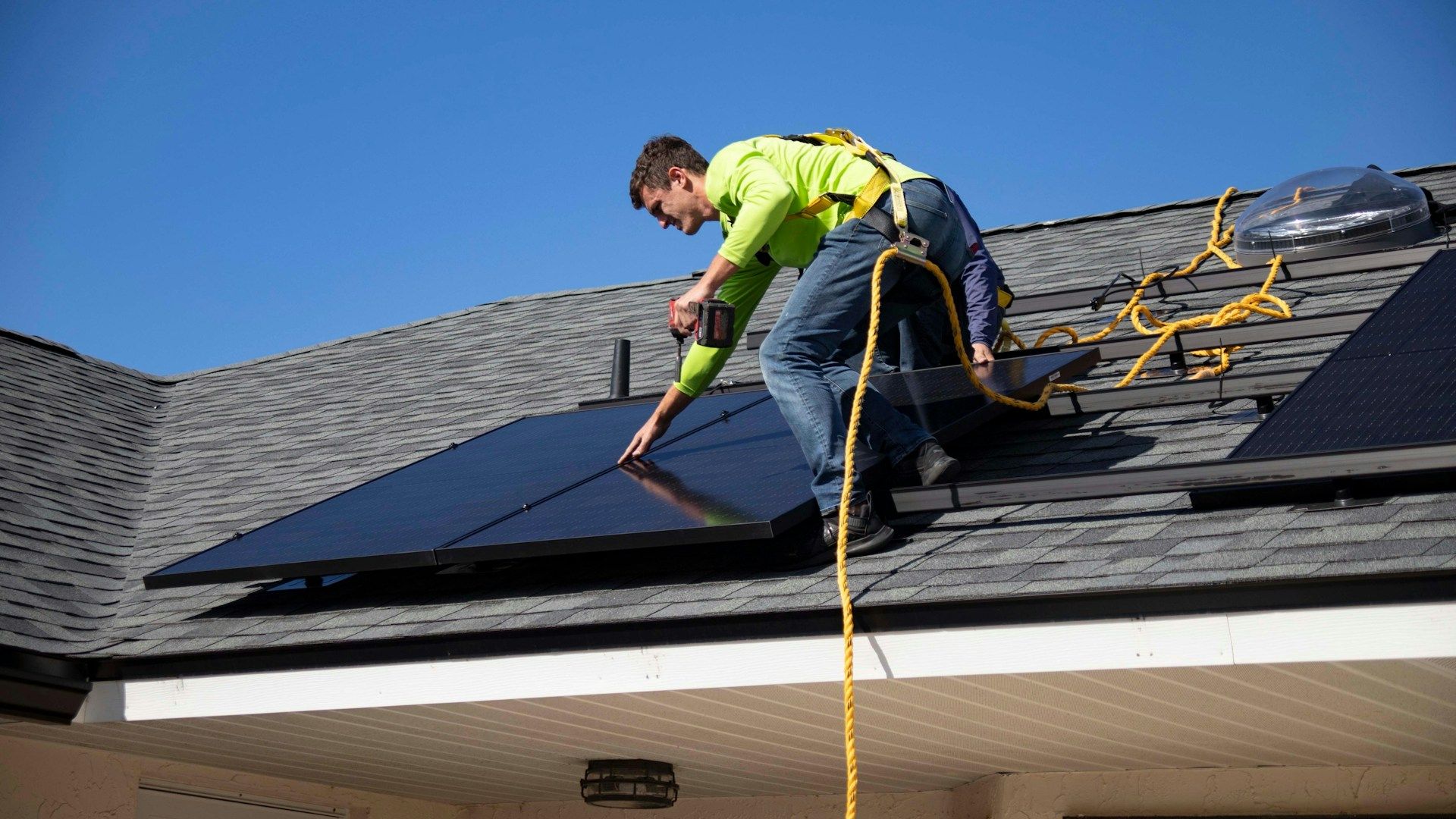

Photovoltaic panel systems don’t have any moving parts, so they don’t require much maintenance. But that doesn’t mean you can forget about them for 10 years. Regular solar panel maintenance guarantees peak performance and improves the longevity of your system. This includes visual inspections, cleaning, energy monitoring, and professional inspections.
PowerOutage.us tracks 950+ utilities serving 200+ million customers and evaluates maintenance planning against verified outage events. During the November 2024 Pacific Northwest bomb cyclone, for example, 600,000+ customers lost power, highlighting debris, snow load, and inspection needs. Read on to learn how to maintain your home solar panel system.
Do solar panels need maintenance?
While solar panels are known for their durability, they still require regular maintenance to perform at their best and maintain longevity. You'll need to conduct routine inspections to guarantee your system's peak performance and protect your investment.
Key maintenance checks include:
- Checking for loose wiring, damaged conduit, and cracked or chipped glass
- Removing debris, leaves, and bird droppings that block sunlight
- Inspecting for animals nesting under panels and chewing wires
- Monitoring energy production levels to catch sudden dips
- Verifying inverter operation and checking for error codes
- Trimming branches that shade panels and drop debris onto the array
Though maintenance isn't time-consuming, it can prevent costly repairs and maintain panel efficiency. Plus, a well-maintained system can help increase your home's value when it’s time to sell.
Solar panel cleaning
One slight downside of solar panels is they need regular cleaning. But it’s not hard to do. While cloudy days decrease your system’s output, a rainy climate can help solar panels last longer as they get a natural bath every so often. Panels at a steeper angle can clean themselves even better. That said, it’s a good idea to clean your panels every six months.
Your cleaning schedule should consider:
- Location factors: Coastal areas often need more cleaning due to salt deposits and haze
- Environmental conditions: Urban pollution, construction dust, wildfire ash, heavy pollen
- Panel positioning: Low-tilt or flat-mounted panels collect more dirt and standing water
- Local wildlife: Bird droppings, tree sap, and nesting activity near the array
How to clean solar panels
Correct technique keeps solar panel maintenance safe and avoids accidental damage. Scrubbing too hard, using harsh chemicals, or spraying high pressure can damage seals, scratch glass, or contribute to microcracks that worsen over time.
For effective solar panel cleaning, use a soft-bristled brush or microfiber cloth with mild soapy water to loosen and remove grime. A microfiber mop on an extension pole can help you reach panels while staying stable on the roof (or cleaning from a ladder when possible). For light cleaning, a gentle rinse with a garden hose may be enough. Avoid high-pressure washers, which can force water into seals and damage edge components.
Plan solar panel maintenance cleaning during cooler hours to reduce thermal stress on the glass. In practical terms, avoid spraying cold water on hot panels during peak sun.
If roof access is unsafe or your array is hard to reach, hiring a professional solar panel cleaning service may be the best maintenance choice. Many homeowners pay a couple hundred dollars per cleaning, and professional crews typically bring fall protection and the right tools.
Regular solar inspections
Besides cleaning, annual inspections from a solar company are also important. A solar panel technician may start with visual inspections and handheld thermal cameras to detect hot spots and visible damage. Larger systems may require drone thermography or professional services using specialized equipment like I-V curve tracers.
Your solar inspection can include:
- Visual checks for physical damage
- Electrical performance testing
- Temperature monitoring using thermal imaging
- Micro-crack detection through electroluminescence testing
Common solar panel problems and troubleshooting
Solar panel systems are complex. Here are a few common problems with causes and solutions:
| Problem Type | Common Causes | Solutions |
|---|---|---|
| Zero Voltage | Damaged panels, faulty inverters | Replace damaged components |
| Low Voltage | Dirty panels, shading | Clean panels, remove obstructions |
| Inverter Issues | Installation errors, overheating | Professional reinstallation, improve ventilation |
| Electrical Problems | Loose connections, breaker trips | Tighten connections, reset breakers |
Regular monitoring of your system's performance indicators will help you catch these issues early. When you notice significant drops in power output, check for dirty panels and shading first, as these are often the easiest problems to fix.
Monitoring solar health
Some solar providers offer monitoring systems and apps. These constantly check how your panels are doing, giving you real-time information on their energy production. You can spot any problems early on, like if a panel is shaded or needs cleaning. By tracking energy output, you can make sure your panels are working their best and schedule maintenance when needed. If your provider doesn’t offer one, you may be able to find a compatible app or device from a third party.
What to do if your system needs a repair
Solar equipment failures are uncommon, but solar panel maintenance should include a clear repair plan. Start by checking easy causes like a tripped breaker, an inverter fault code, or heavy debris after wind, snow, or wildfire events. If the issue persists, contact your installer or the manufacturer (whichever handles service under your agreement) and document what you observed, including monitoring screenshots and photos of the array if safe to take.
Many problems trace back to loose connections, damaged wiring, or debris that restricts output. For larger issues (like repeated inverter shutdowns, water intrusion, or visible panel damage) stop troubleshooting and arrange professional service. Warranty-covered repairs are typically handled within the first 10 years for many components, as long as the problem isn’t excluded and you’ve followed required solar panel maintenance steps.
Solar warranties can require routine maintenance
Solar panels generally come with two types of warranties: performance and product. The performance warranty sets a minimum power output level over a long period (often 25–30 years), while the product warranty covers equipment defects and basic functionality (often 10–12 years).
These warranties can cover sudden output drops, defective parts, or premature failures. However, many warranty terms require routine solar panel maintenance, such as keeping panels reasonably clean and completing periodic inspections. If a claim is filed, the manufacturer may ask for maintenance records or evidence that the system wasn’t neglected, so keep notes on cleaning dates, inspection reports, and any service calls.
Final thoughts: Maintain your solar panels
Your solar panels need regular maintenance to perform well. Clean them every six months with gentle tools, check for debris regularly, and get a full inspection annually. Your panels will be happy and will continue to generate power for years to come. That said, if you aren’t able to clean the panels or hire a professional regularly, you might want to rethink adding solar panels to your home.