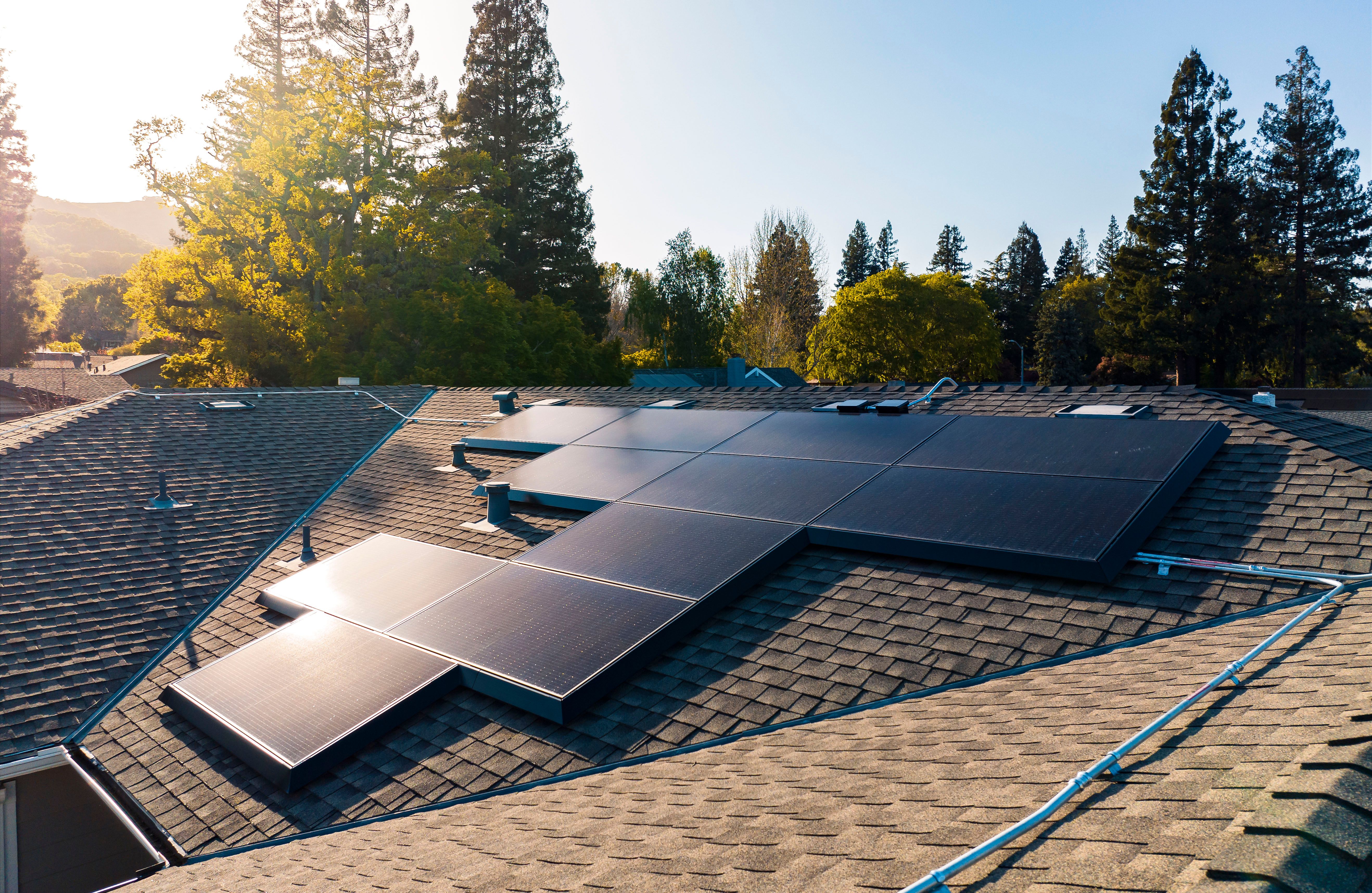


Polycrystalline solar panels fuse multiple silicon fragments into each cell, which cuts their price below monocrystalline panels and their efficiency along with it. This guide explains how the panels are made, how they perform, and which installations the solar panel technology still fits.
PowerOutage.us has tracked every major US outage since 2016 across 950 plus utilities. That record informs our panel comparisons, so you match panel type to your roof and budget before you buy, not after.
How polycrystalline panels are made from silicon fragments
The photovoltaic cells in a solar panel use silicon crystal to capture sunlight and convert it into electricity. Polycrystalline panels earn the "poly" by melting numerous smaller silicon pieces into one sheet instead of cutting cells from a single crystal.
Wafering then slices that sheet into layers. Doping makes the wafers conductive: boron creates the positively charged P-type silicon, and phosphorus adds the electrons that form the layer used in N-type solar cells.
Polycrystalline panel performance and energy output explained
Polycrystalline panels trail the efficiency leaders but still produce enough power for many home solar applications. The key performance numbers:
- Efficiency: Polycrystalline panels average 13 to 16 percent solar efficiency, below monocrystalline panels but above some other types.
- Temperature resilience: High heat degrades every panel's output, and polycrystalline panels lose more to heat than some other types of solar panels.
- Lifespan: Polycrystalline panels produce at high output for 25 to 30 years, matching higher-end panels, and lose 0.5 to 0.8 percent efficiency per year like other panel types.
- Power output: Under normal conditions, a polycrystalline panel delivers 250 to 350 W of DC power, which a solar inverter converts into household AC electricity.
Each figure varies by manufacturer, so check the product specifications of any panel you're considering.
Monocrystalline vs polycrystalline panels
Monocrystalline solar panels are the higher-end alternative, cut from a single silicon crystal rather than fused fragments. The single-crystal construction produces more energy and lasts longer than polycrystalline construction.
Here’s a detailed look at these two panel types:
| Feature | Polycrystalline Solar Panels | Monocrystalline Solar Panels |
|---|---|---|
| Material structure | Multiple silicon crystals melted together | Single continuous silicon crystal |
| Efficiency range | 13% to 16% | 18% to 22% |
| Cost | Lower cost | Higher cost |
| Color appearance | Blue with a speckled, grainy look | Uniform black color |
| Performance in heat | Slightly less efficient at high temperatures | Better performance in heat |
| Space efficiency | Requires more space for the same output | More power per square foot |
| Manufacturing process | Simpler and less wasteful | More complex, more silicon waste |
| Lifespan with ideal output | 25 to 30 years | 25 to 30 years |
| Common use | Residential, budget-conscious installations | Premium residential, commercial, and space-limited installations |
| Environmental impact | Lower energy-intensive production | Higher energy consumption during production |
Mono vs poly solar panels efficiency
Monocrystalline panels convert 15 to 20 percent of sunlight on average, and some models reach 22 percent. That beats the 13 to 16 percent polycrystalline range by a wide margin.
Mono vs poly solar panel price
The efficiency advantage costs money. Monocrystalline panels run 10 to more than 60 percent more expensive than polycrystalline panels. The higher output usually recovers that difference through energy savings over the system's life.
Where polycrystalline solar panels are used in real-world applications
Monocrystalline panels dominate residential and off-grid solar systems because they generate more power per square foot, which matters wherever space runs short. In off-grid and battery setups, the panels feed a solar charge controller that regulates the current before storage.
Polycrystalline panels hold their ground in commercial settings with abundant roof space. There, installing more low-cost panels matches the output of fewer monocrystalline ones at a lower upfront price, whether the building runs a grid-tied array or a hybrid solar system with battery storage.
Environmental impact of polycrystalline panel production
Waste reduction: Polycrystalline production generates less waste than monocrystalline production, which eases the draw on raw materials.
Recyclability: Both panel types can be broken down and recycled into new panels or consumer products, and polycrystalline manufacturing produces lower emissions thanks to its simpler fabrication.
Monocrystalline vs polycrystalline in today's solar panel market
Monocrystalline panels now dominate new installations nationwide, and the vast majority of residential panels are monocrystalline.
Polycrystalline panels survive on price. Solar farms and businesses with large roofs still choose them because total output matters there and space doesn't.
Development money has moved on, though. Solar research now targets monocrystalline improvements and newer technology like tandem cells and building-integrated photovoltaics like solar shingles, not polycrystalline refinement.
Bottom line: are polycrystalline solar panels worth it?
Polycrystalline panels earn their place where space costs nothing and budget rules. For residential use, their price advantage mostly disappears once you factor in energy production, and a smaller roof may not fit enough of them to meet your demand.
Solar isn't best for everyone, so research your options and calculate your potential savings before you put panels on your roof.