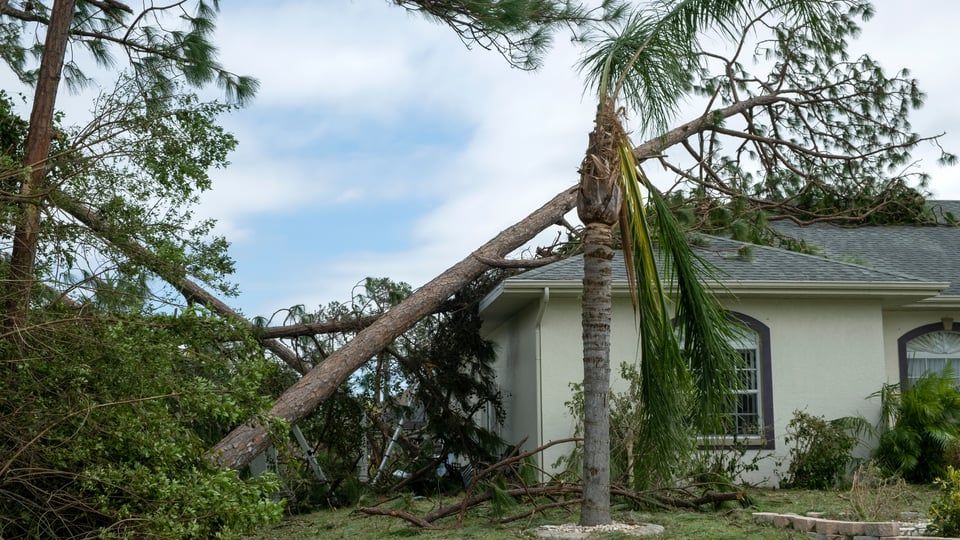
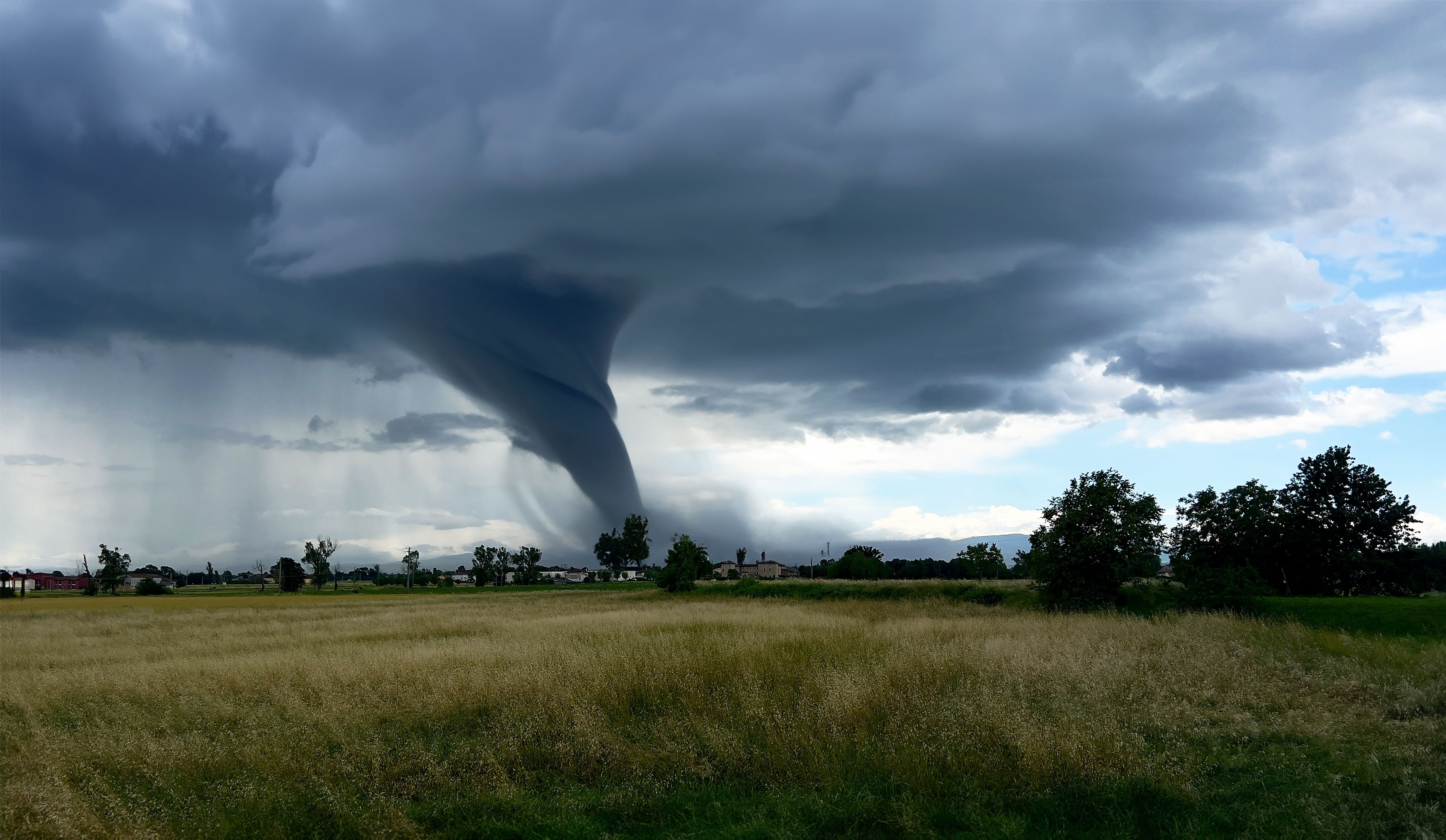


During the Jan 24 to 26, 2026, North American winter storm (also called Fern), our PowerOutage.us platform tracked a peak of 1,005,641 customers without power. The storm stretched across 2,000-miles from the border of Mexico into Canada, and some people went over 6 days without electricity. Tennessee led the event with 306,700 customers affected, centered around the Nashville metro. This is exactly the kind of environment where a blackout emergency kit is important.
PowerOutage.us tracks 950+ utilities serving 200+ million customers and has monitored every major outage event since 2016. During live events, our outage data refreshes every 10 minutes, which helps households make decisions around food safety, charging windows, and relocation. Let’s break down what should be in a power outage emergency kit.
What is a power outage emergency kit?
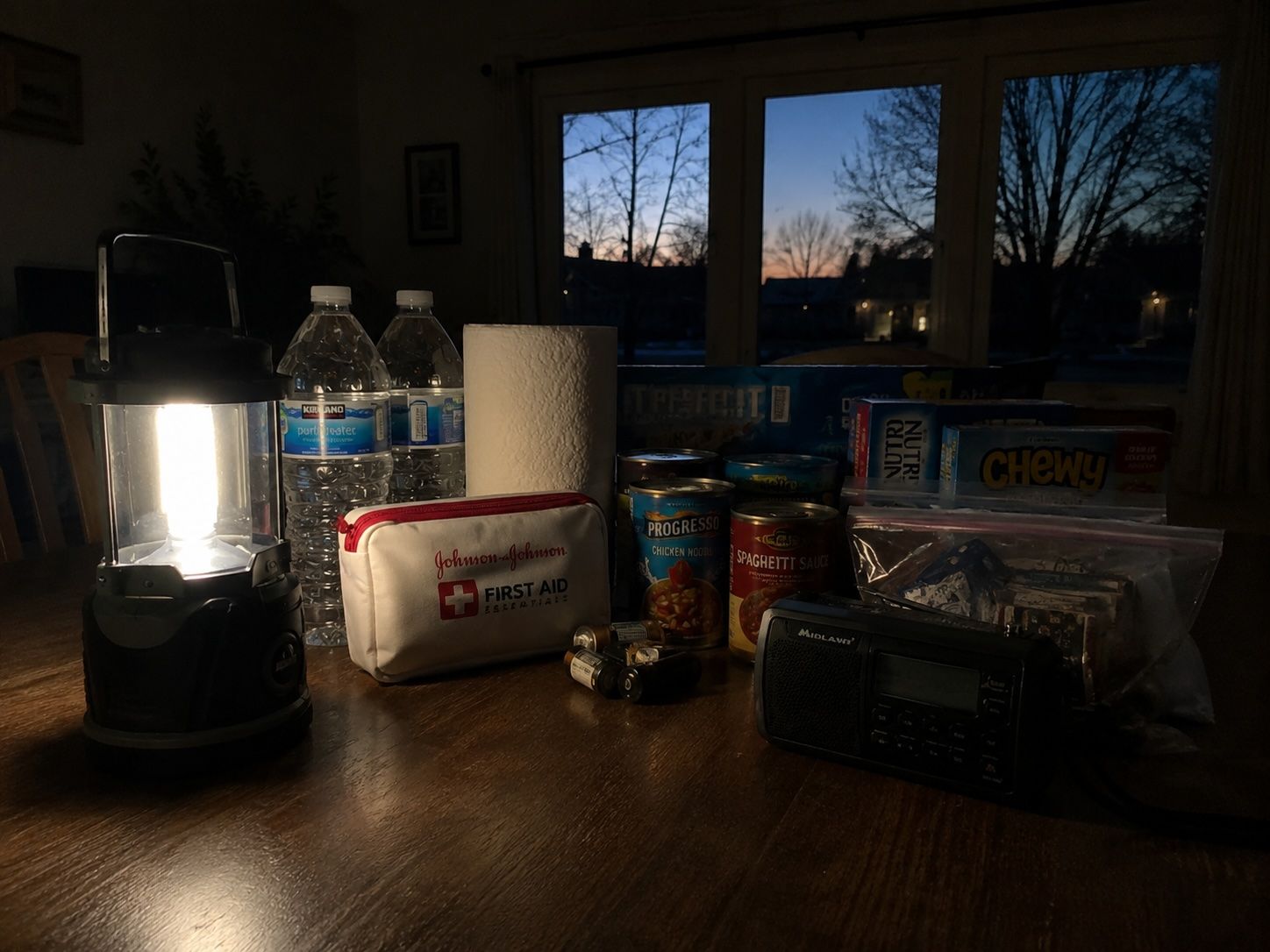
A power outage emergency kit is a collection of supplies you store in advance so your household can meet basic needs during a blackout. The kit typically includes water, shelf-stable food, lighting, communication tools, sanitation supplies, and basic medical items.
Emergency preparedness guidance from agencies like the Federal Emergency Management Agency and the Centers for Disease Control and Prevention commonly recommends keeping enough supplies to support a household for at least three days during a disruption.
Many households organize their outage supplies into two types:
- Stay-home kit: Supplies stored at home to support daily needs during a blackout.
- Go kit: A smaller, portable set of essentials that can be taken quickly if relocation becomes necessary.
Some households also keep a short checklist with the kit describing actions to take during the first minutes of an outage (like limiting refrigerator use, checking flashlights, and confirming communication options) because early decisions can affect food safety and household coordination.
Power outage emergency kit checklist
A power outage emergency kit covers the essentials first, then adds household-specific supplies for comfort and special needs. Below is a baseline checklist you can modify for your household.
Water and hydration
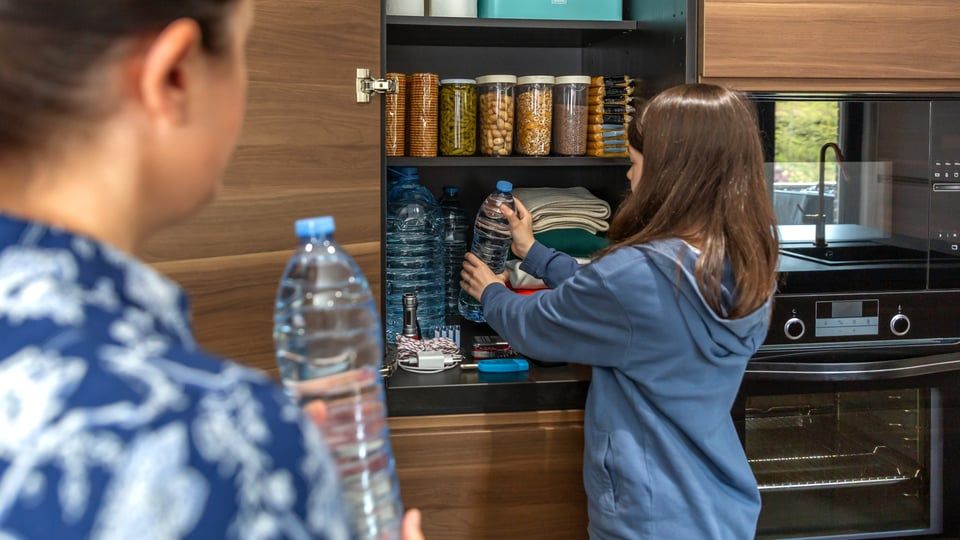
- 1 gallon of water per person per day (drinking and sanitation), minimum 3 days
- Water containers or jugs suitable for storage
- Electrolyte packets for heat risk and illness
Food and cooking
- Non-perishable food (minimum 3-day supply)
- Manual can opener
- Disposable plates, cups, and utensils
- Trash bags for cleanup and waste control
- Cooler(s) for ice-based backup when the refrigerator is unsafe after 4 hours
Lighting
- Flashlights (one per adult or room) for safe movement during an outage
- Headlamps for hands-free cooking, repairs, and caregiving
- Lanterns or LED area lights for room lighting during a power failure
- Extra batteries matched to your devices (correct size and chemistry)
Communication
- Battery-powered radio for local updates
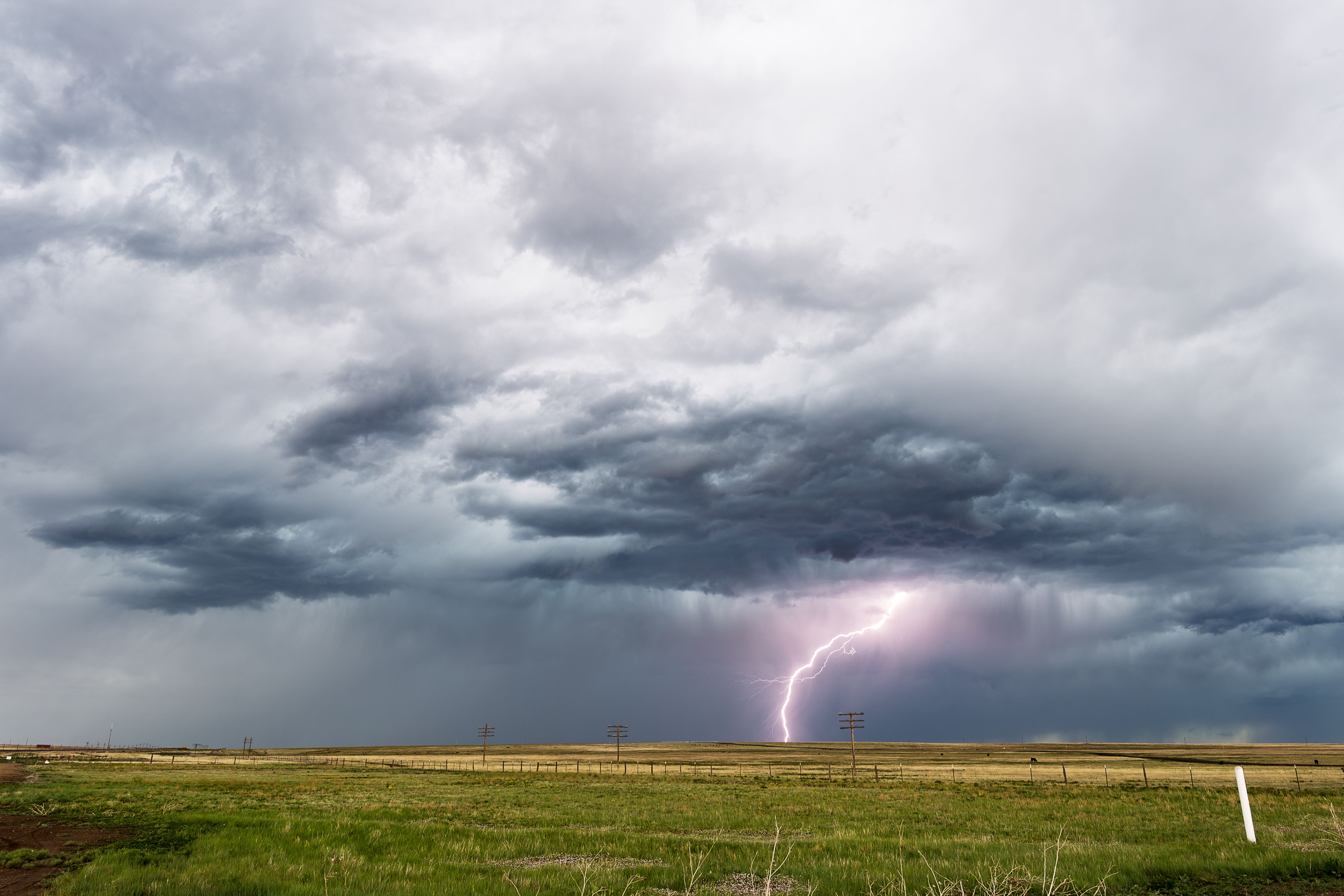
- NOAA weather radio (or radio with weather band) for storm alerts that often cause outages
- Phone list for contacts and utilities (printed for use when phones die)
Medical and safety
- First aid kit
- Prescription medications (supply aligned to your refill schedule)
- Thermometer (for food checks during an outage)
- Work gloves for cleanup after a storm
Sanitation and hygiene
- Moist towelettes or wipes
- Hand sanitizer
- Toilet paper
- Feminine hygiene products
- Plastic ties or bags for waste management if plumbing or water service becomes limited
Power and charging
- Power bank(s) with cables for phones and lights
- Car charger adapter (12V) to charge from a vehicle during a blackout
- Portable power station sized to your critical loads (CPAP, router, small medical devices)
Money and documents
- Emergency cash in small bills (useful when payment systems fail during an outage)
- Copies of IDs, insurance, prescriptions, and key contacts in a waterproof container
- Spare car key
Household basics
- Scissors or multitool
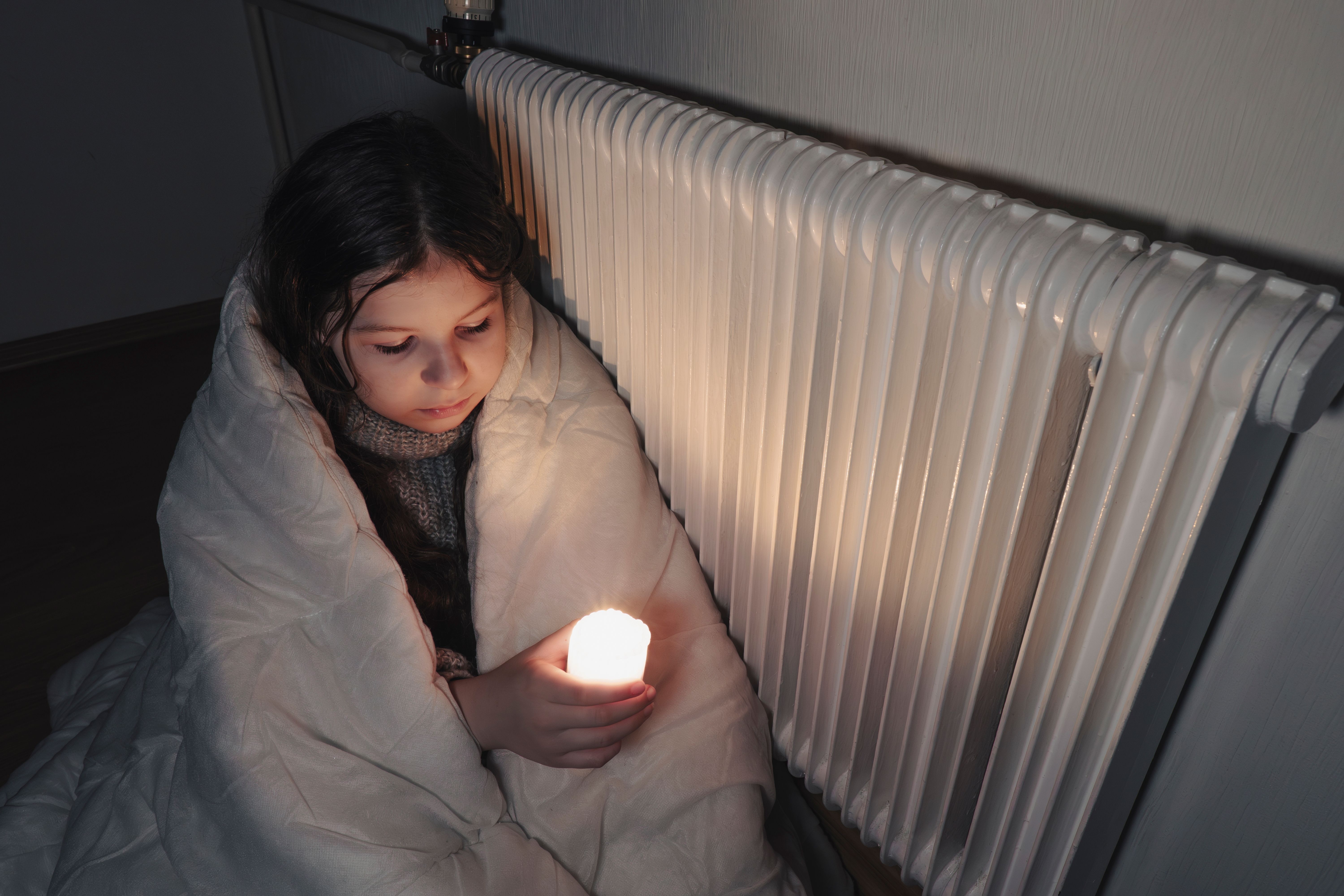
- Warm blanket or sleeping bag per person for winter outages
- Simple entertainment (cards, books, puzzles) for multi-day power loss
Major power outage examples
Outage duration varies by geography and infrastructure, so your power outage emergency kit should match local reality. During Hurricane Helene (Sept 2024), PowerOutage.us tracked a peak impact of 4.79 million customers, with major differences between urban restoration windows and extended rural rebuild timelines in the hardest-hit areas.
Finally, during Hurricane Milton (Oct 2024), cycling power and short uptime windows made charging and food strategies central parts of a workable blackout kit.
Should you buy a ready-made emergency kit?
A ready-made power outage emergency kit can work as a fast baseline, though it might need some customization. The right choice depends on time, household needs, and whether you want a pre-built container with basic supplies.
Ready-made kits offer:
- Faster to acquire and store before storm season
- Common essentials are included in one package
- Useful for work or car kits as a secondary layer of outage supplies
Building your own offers:
- Better match to household diet, medical needs, and climate risks
- Easier to scale water, food, and charging based on household size and outage history
- Higher control over the quality of flashlights, batteries, radios, and charging gear
The practical thing many homeowners do is to buy a ready-made kit for the container and baseline items, and then add specific food, tools, power banks, and medication backups.
Recommended ready-made emergency kits
If you want to get a pre-made power outage emergency kit, shop around for reliable brands and then add your own water, tools, or preferred snacks.
Here are a few popular options:
| Kit/brand | Best for | People covered | Main items included | Notes |
|---|---|---|---|---|
| Uncharted Supply Co. SEVENTY2 Survival System | Premium individual bug-out kit | 1 person/72+ hours | Water filter, food rations, first aid kit, shelter supplies, radio, tools | Premium survival backpack with organized compartments and higher-quality gear than most emergency kits. |
| Ready America Emergency Kit | Budget starter kit | 2 people/72 hours | Food rations, water pouches, emergency blankets, flashlight, first aid supplies, dust masks | One of the most affordable ready-made grab-and-go kits with solid basics for home, car, or apartment use. |
| Uncharted Supply Co. SEVENTY2.0 Pro Survival System | Premium family evacuation kit | 2 people/72+ hours | Food, water filtration, first aid supplies, shelter gear, radio, survival tools | Professional-grade survival system with upgraded gear, organization, and waterproof construction. |
| Ready America Sustain Supply Essentials Kit | Balanced preparedness setup | 2 people/72 hours | Food, water, emergency lighting, hygiene supplies, survival tools, backpack | Strong middle-ground option with upgraded organization and higher-quality gear than entry-level kits. |
| Uncharted Supply Co. Basecamp 30L | Home emergency preparedness | 4 people/72 hours | Food, water, first aid supplies, lighting, tools, survival gear | Durable home emergency kit built around a waterproof storage case for families. |
| Ready America 72 Hour Emergency Kit 70380 | Family preparedness | 4 people/72 hours | Food bars, water pouches, ponchos, hygiene kits, light sticks, first aid kit | Good low-cost family option designed around American Red Cross 72-hour recommendations. |
| American Red Cross Basic 4-Person 3-Day Emergency Preparedness Kit | Brand-trust option | 4 people/72 hours | Food bars, water, hygiene supplies, emergency blankets, first aid supplies | Built around official Red Cross emergency preparedness guidance and widely used as a baseline preparedness kit. |
| Uncharted Supply Co. Basecamp 60L | Large-family preparedness | Up to 8 people/72 hours | Food, water, first aid supplies, sanitation gear, tools, emergency equipment | High-capacity emergency kit designed for larger households and extended outages. |
| Sirius Survival 2 Person Emergency Bugout Backpack | More complete premium kit | 4 people/72 hours | Shelter supplies, food, water filtration, trauma supplies, tools, emergency gear | Includes more survival-oriented equipment than most basic kits and is geared toward disaster or evacuation use. |
How to choose the right emergency outage kit
- Choose kit size based on household count and days of coverage
- Confirm the kit includes a battery-powered radio (or plan to add one) and a dependable flashlight
- Check whether the included food and water meet your 3-day minimum
- Add power banks and the right cables, since charging coverage often becomes the limiting factor during long outages
Keep in mind that when an outage becomes serious, kit completeness matters more than brand choice (if multiple brands are reliable). During Winter Storm Fern (Jan 2026), for example, PowerOutage.us tracked outages lasting over 6 days in the hardest-hit areas, which pushes most households beyond starter quantities and into true multi-day power outage emergency kit planning.
Recommended food and water supplies
When it comes to food and water, the recommended guideline is to store at least three days of water and non-perishable food for each household member. (You should plan one gallon of water per person per day.)
These are just guidelines, though. You might need more water in hot climates, for children, pets, or when normal hygiene activities are restricted, for example.
- Store water in clean, food-grade containers
- Keep containers in a cool, dry location away from chemicals or fuel
- Label containers with the fill or purchase date
- Rotate stored water periodically according to container guidance, or roughly every 6–12 months
What type of food should you store?
During outages, foods that require little preparation and have long shelf lives are the most practical. Choose items your household already eats so supplies can be rotated into normal meals before they expire.
Examples can be:
- Canned meats, beans, and vegetables
- Nut butters, trail mixes, and granola bars
- Dried fruit and jerky
- Shelf-stable milk or milk alternatives
- Ready-to-eat soups or meals
A manual can opener is also useful if canned foods are part of the plan.
Food safety rules to follow
In a refrigerator, food generally remains safely cold for about 4 hours if the door stays closed after the power goes out. A full freezer may hold safe temperatures for 24 to 48 hours, while a half-full freezer holds its temperature for half of that.
If power is not restored after several hours, moving perishable foods into coolers with ice or frozen packs can help maintain safe temperatures. A food thermometer can help verify that cold foods remain at safe holding temperatures.
Some households use two coolers during long outages:
- Frequently opened cooler: Drinks and quick snacks
- Low-access cooler: Meats, dairy, and foods you want to preserve longer
Limiting how often the cooler is opened helps retain cold temperatures.
Lighting and communication equipment
Lighting and communication tools help you move around safely indoors and stay informed about restoration timelines or severe weather conditions. Preparedness planners generally recommend multiple simple devices rather than relying on a single power source.
Lighting options:
- Flashlights: Useful for movement and quick checks around the home
- Headlamps: Allow hands-free tasks such as cooking or caregiving
- Battery lanterns: Provide room lighting and often use batteries more efficiently than multiple flashlights
Communication tools:
- Battery-powered radio: Provides local updates if internet equipment is offline
- NOAA weather radio: Receives alerts from the National Oceanic and Atmospheric Administration during storms and severe weather
- Printed contact list: Useful if mobile devices are dead
Backup power and charging
Decide on backup power for devices that matter most during an outage. For many households, these include phones, lighting, radios, and some medical devices. Larger appliances like refrigerators or heating equipment require much more power and may need larger battery systems or generators.
Power banks are small battery packs that can recharge phones, flashlights, radios, and other low-watt USB devices. They are lightweight and useful for short outages.
Portable power stations are larger battery systems that may run devices like CPAP machines, routers, laptops, or small appliances for limited periods.
When choosing a battery system:
- List the devices you need to power
- Check their wattage or charging requirements
- Choose a battery capacity that covers your expected usage time
Adding some extra capacity helps account for cold weather and battery aging.
Also, you might consider a home battery backup if you live in an area prone to outages or with favorable electricity credit economics.
Generator safety
Fuel-powered backup generators can supply more electricity but must be used carefully to prevent carbon monoxide exposure. Safety guidance from the CDC recommends:
- Running generators outdoors only
- Keeping them 20 feet away from doors, windows, and vents
- Installing carbon monoxide alarms on each level of the home
- Connecting devices directly to generator outlets or a professionally installed transfer switch
Testing your setup before storm season can help ensure the system operates safely during an outage.
During major events like Hurricane Ida (Aug 2021) and Winter Storm Uri (Feb 2021), extended outages turned backup power from convenience into a primary household system. A tested plan prevents improvised wiring decisions during high stress and keeps your power outage emergency kit strategy safer.
Customizing your emergency kit
Whether you buy a kit or start with a checklist, be sure to customize it for specific needs for infants, pets, older adults, or medical equipment.
Infants and toddlers:
- Diapers and wipes sized for your child
- Formula or baby food for at least 3 days (more if storms commonly cause multi-day outages in your area)
- Extra clothing and a simple warming layer for cold-weather outages
Pets:
- Pet food for at least 3 days
- Collapsible bowl and extra water (pets still need the same reliable supply during a blackout)
- Leash or harness, waste bags
- ID and vaccination tags
Older adults:
- Extra blankets and warming layers for winter power loss
- Mobility aids and spare batteries
- Written medication list and provider contacts
Medical needs:
- Prescription medications aligned to your refill rhythm
- Backup power plan for medical devices (power bank, power station, or generator plan)
- Cold-chain plan for temperature-sensitive medications using a cooler strategy and thermometer checks
Power outage emergency kit vs. general disaster kit
A power outage emergency kit focuses on problems caused specifically by the loss of electricity. The goal is to keep a household functioning when lighting, refrigeration, communications equipment, and electronic payments may stop working.
The priorities in an outage kit are:
- Lighting (flashlights, headlamps, lanterns)
- Backup charging for phones and small electronics
- Food safety planning for refrigerators and freezers
- Battery-powered or weather radios for updates
A general disaster preparedness kit, like those recommended by FEMA, is broader. It is designed to support survival during many types of emergencies (like floods, earthquakes, or evacuations). This means it includes additional items like evacuation supplies, protective gear, and longer-term shelter resources.
Where to store your emergency kit
Keep kits easy to reach, dry, and protected from temperature extremes so you can access them anytime.
At home
- Store the main kit near an exit or in a main-floor closet
- Use a container that one adult can carry
- Keep a small bedside kit with a flashlight, headlamp, and phone cable
In your vehicle
- Store a compact kit in the trunk
- Include a blanket, gloves, and a headlamp
- Keep a 12-volt car charger and spare cable in the glove box
At work/in a daily bag
- A small 24-hour kit can include water, snacks, comfortable shoes, basic medications, and a phone charger
A simple approach is to keep one kit at home, one in your vehicle, and a small kit at work or in a daily bag.
Maintaining your emergency kit
The last thing you want is to open up an emergency kit during an outage to find that the batteries don’t work or the food has expired. Here’s what to do to keep your kit reliable.
Every 2 to 3 months
- Test flashlights and lanterns
- Replace or recharge batteries and power banks
- Check radios, chargers, and can openers
Periodically
- Rotate stored food into normal use and replace it
- Check expiration dates on medications and first-aid items
- Update printed contact lists and important documents
- Keep a small amount of emergency cash in small bills
Power outage emergency kit recap
To recap, build a power outage emergency kit to maintain safe food, water, lighting, communication, and charging throughout a blackout. Store one gallon of water per person per day, plan for a 3-day minimum, and maintain supplies on a 2 to 3 month schedule so batteries and power banks are ready. Use PowerOutage.us to monitor real-time outages during major events and to understand typical restoration patterns in your area, then adjust your blackout kit depth to match the outage duration you are most likely to face.