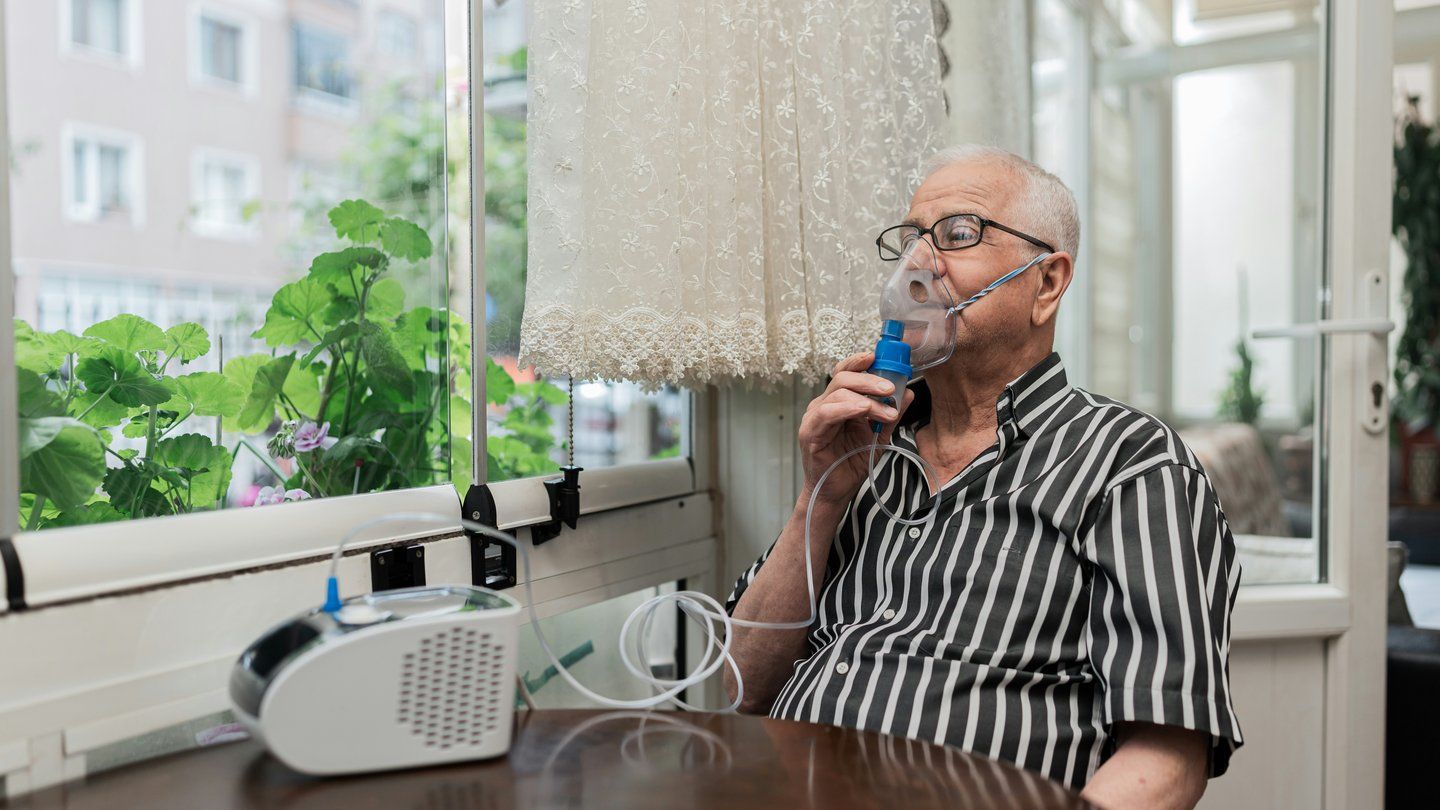

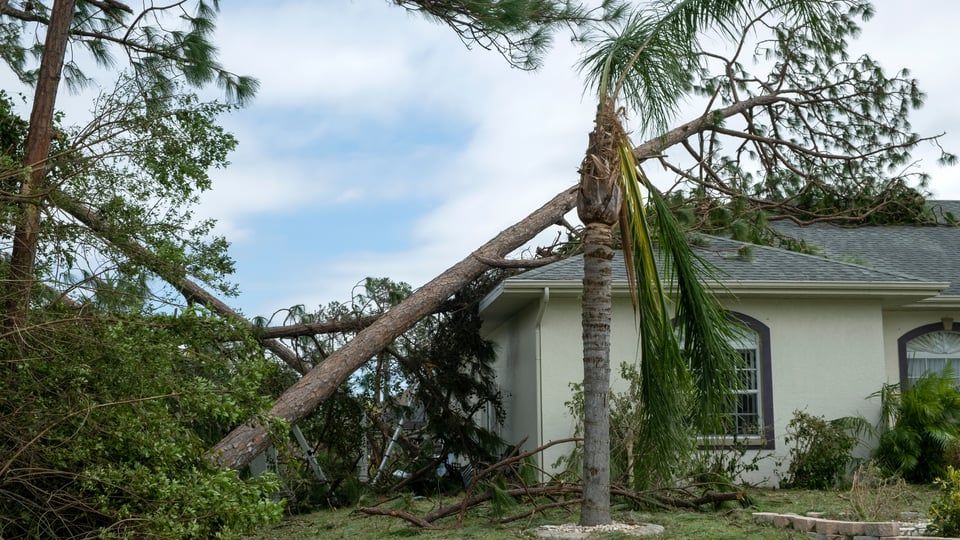






If you rely on medical devices, a power outage comes with extra risks. It can interrupt home medical equipment or refrigerated medications that depend on electricity, so you need a plan for power backups and when to relocate. At a basic level:
- Identify every electricity-dependent device and its battery runtime in hours.
- Calculate how long your backup power lasts and set a relocation trigger before batteries deplete.
- Register for utility medical programs and build a medical-specific outage kit with instructions, contacts, and cooling tools.
Millions of people rely on electricity-dependent medical and assistive equipment, including 4.5 million at-risk Medicare beneficiaries tracked through the HHS emPOWER program. Major outages also skew weather-driven: Climate Central reports 80% of major U.S. power outages from 2000–2023 were weather-related, which raises the odds of multi-hour events that outlast common device batteries.
PowerOutage.us supports this planning with real-time outage visibility across 950+ utilities serving 200+ million customers and near-national coverage. We also provide a public outage map and frequent refresh during live events (data refreshes about every 10 minutes during active tracking).
During the North American Winter Storm Fern (Jan 24–26, 2026), our platform tracked a peak of 1,005,641 customers without power with 6+ day outages in the hardest-hit areas. We also tracked how some people in the path of Hurricane Helene (Sep 27–28, 2024) had to wait days to weeks for power. Read on to learn how to prepare for these situations.
Medical device outage kit checklist
Prepare now to know what you’ll do during a medical device power outage to keep essential equipment running when the grid fails. Keep an emergency power outage kit in one labeled container, stored near the device area, so you can switch to backup power without searching in the dark. Here’s what to gather:
- Fully charged backup batteries for each device (plus chargers) so you can cover the first hours of an outage
- Portable power station or UPS (as applicable) sized for your device load and expected outage window
- Power cords, DC adapters, and a labeled cable pouch (include any proprietary connectors)
- Printed device manuals and quick-start instructions for outage operation and battery swap steps
- Contact list for your clinician, DME supplier, oxygen supplier, pharmacy, family, neighbor (include after-hours numbers)
- Cooler, ice packs, and thermometers for refrigerated medications when refrigeration stops during an outage
- Flashlights or headlamps, spare batteries, and a hand-crank or battery radio for alerts during extended outages
- Phone power banks and charging cables to maintain communications when cell service is limited
- Copies of prescriptions and a medication list to support refills or emergency replacement
And here’s a table visualization to see checklist items by their purpose:
| Purpose | Medical checklist items |
|---|---|
| Keep devices running | Device batteries, power station/UPS, cords/adapters |
| Keep medications stable | Cooler, ice packs, thermometers, pharmacy contact plan |
| Get fast help | Manuals, contact list, labeled device instructions |
| Maintain communications | Power banks, chargers, radio |
Should you buy a backup power station?
Backup batteries and portable power stations can reduce setup time and help protect medical devices during an outage. They provide predictable secondary backup power that can run or recharge equipment when grid power fails. Choose a battery or power station when you want a known watt-hour capacity and verified charging options before the next outage.
Brands commonly used for portable backup power stations include:
- EcoFlow
- Jackery
- Goal Zero
- Bluetti
To choose the right one, look for:
- Capacity sized to your calculated Wh requirement for your devices and target outage window
- Inverter output that supports your power needs (including any startup surge)
- Clear display for load (watts) and remaining runtime so you can act before batteries run low
- Multiple charging pathways (wall, vehicle, solar input when applicable) for multi-day outages
- Service and warranty support, plus replacement battery availability for long-term reliability
Treat a portable battery or power station as a secondary tier of backup power, then maintain a third plan (like a generator, vehicle charging strategy, or relocation plan) for longer outages and uncertain restoration timelines.
Note: Some medical devices draw variable power depending on settings (for example, oxygen flow rate, compressor cycles, or humidifier use on CPAP machines). When sizing backup power, use the highest expected power draw listed in the device manual or measure average load with a plug-in power meter to avoid underestimating energy needs.
Why power outages can be dangerous for medical devices
Power outages become medically relevant when medical devices max out their battery runtime and you can’t recharge them. This affects things like medical therapy and alarms, and caregivers may have limited time to switch to backup power safely.
Since common device batteries and recharging cycles only cover several hours, many preparedness guides treat outages beyond about 8 hours as significant. Guidance from emergency preparedness resources like the U.S. Department of Health and Human Services emPOWER program and FEMA preparedness materials recommends preparing for outages that exceed normal battery runtime.
Common home equipment dependent on electricity includes:
- Ventilators
- Oxygen concentrators and portable oxygen concentrators (POCs)
- CPAP / BiPAP machines
- Infusion pumps
- Motorized wheelchairs and scooters (charging access affects mobility and transfers)
- Refrigerated medications (including many temperature-sensitive injectables)
See if you can get manual options for some of these things, like a manual wheelchair plus walker instead of a scooter.
Extended power outage examples
During Winter Storm Fern (Jan. 24–26, 2026), we tracked 1,005,641 customers out at peak across a 2,000-mile impact zone, with 6+ days of outages in the hardest-hit areas and 306,700 customers impacted in Tennessee. Ice-driven tree and line damage creates long repair queues, so device plans benefit from tiered power (primary/secondary/tertiary) and early decisions for apartment households.
During Hurricane Helene (Sept. 27–28, 2024), PowerOutage.us tracked a peak of 4.79 millioncustomers without electricity, with western North Carolina seeing restoration timelines stretch toward 14+ days in the hardest-hit mountain areas. For medical device users, this scale shifts planning from “battery backup” to multi-day continuity, including refrigeration management and relocation tied to charger access.
During Hurricane Milton (Oct. 9, 2024), PowerOutage.us tracked 3.4 million Florida customers out, with cycling restoration in some areas. Intermittent uptime windows reward a plan that prioritizes fast charging, pre-labeled cables, and scheduled charge sessions for critical loads.
Register with utility programs
Utility medical assistance programs can improve notification and support for medical device users during an outage, which is a big help. You can get outage notifications, help from community advisors, and more. Register with any program available in your service territory, including:
- Medical Baseline Program (common name used by several utilities)
- Medical certificate programs
- Medical priority notification lists for planned shutoffs (including public safety power shutoffs where applicable)
Programs typically provide:
- Enhanced outage notifications (including planned outages and shutoff notices)
- Advisor outreach or support resources in some regions
- Billing and payment flexibility in some cases
- Coordination pathways with local helping agencies during critical unmet needs
Use these programs as a communications layer (not as a guarantee of faster restoration) then size your medical device backup plan around realistic outage durations in your area.
Identify which medical devices in your home require electricity
A complete device inventory is the foundation of a safe medical device outage plan. Write your inventory in one place that caregivers can access quickly (have a printed copy in your emergency kit and a note saved in your phone).
Record these details for each device so you can match it to the right outage power source:
- Device name and purpose (example: CPAP, oxygen concentrator, infusion pump)
- Manufacturer and model number (needed for battery compatibility and support)
- Power input (watts or amps, or the power brick rating) to size backup power
- Battery runtime (hours at typical settings) and how runtime changes at higher settings
- Charging method (wall charger, car adapter, external battery, dedicated battery pack)
- Manual overrides or alternatives (manual resuscitation bag for ventilator users, backup oxygen cylinders for oxygen therapy)
- Supplier and clinician contacts (DME provider, oxygen supplier, prescribing clinician)
Label devices with your name, emergency contacts, and quick-start instructions so a helper can operate equipment and backups under time pressure.
Calculate your backup power requirements
Backup power planning works best when you treat an outage for medical devices as a math problem with clear, tiered decisions. Use this sequence to determine your minimum backup size, how long you can safely stay home, and when you must relocate.
Step 1: Determine device wattage and daily energy needs
Use the device label or manual for watts (W), then plan around the hours you have to run the device during an outage.
Calculate watt-hours (Wh):
W × hours of use = Wh
For example,
60 W device × 8 hours = 480 Wh for that window.
If a device cycles (like some oxygen concentrators or compressors), use the manufacturer's guidance or your measured average load to avoid under-sizing your medical device power outage backup.
If wattage is not listed directly on the device label, check the power adapter label (volts × amps = watts), the device manual, or contact the manufacturer or DME supplier for the correct operating power range.
Step 2: Plan a few different tiers of backup power
- Primary power: The device’s internal battery or dedicated battery pack (first minutes to first hours of a power outage).
- Secondary backup: A portable power station, UPS, or additional battery modules sized to cover your target window.
- Tertiary backup: Generator support (when appropriate for the home), vehicle inverter charging, or relocation.
Step 3: Set a relocation threshold
Use a clear trigger so you don’t wait until therapy is at risk:
- Estimated power restoration exceeds backup duration
- The remaining battery falls below one runtime window
- Device settings require higher load than planned (higher oxygen flow, higher ventilator support)
- Weather or infrastructure conditions limit safe generator use or vehicle charging access
Relocation options during a medical device power outage:
- Hospital or clinical facility with reliable power access (when medically appropriate)
- Community emergency shelters with generators (confirm medical device support/charging availability)
- Friends or family with stable power and an accessible space for equipment
- Local facilities designated for medical device charging during emergencies (varies by region)
During major outages, restoration times vary by utility territory and damage intensity. Use local outage duration patterns (and real-time status updates) to decide when your relocation trigger activates during a blackout.
Backup power options for medical devices
You have a few different options for backup power types.
1) Dedicated device battery packs
Maintain fully charged spare batteries for devices that support swappable packs (common with some portable oxygen concentrators and mobility equipment). Store batteries per manufacturer guidance, rotate charge checks on a schedule, and confirm you can swap packs quickly in the dark.
2) Portable power stations
A portable power station can run or recharge many medical devices for hours to a full day or two, depending on load and capacity. Capacity typically runs from 300 to 3,000 Wh. Use this option during an outage when:
- Your device can plug into an AC output safely (or approved DC output when available)
- You need a predictable secondary tier with known watt-hour capacity
- You can recharge via wall power, vehicle, or solar input
Check whether your device requires pure sine wave output and confirm any startup surge requirements before relying on the unit for a medical device power outage.
3) Home battery backup systems
Home battery systems store electricity and automatically power selected home circuits during an outage. For medical device users, they can keep essential equipment and refrigeration running longer than portable batteries alone. Examples include Tesla Powerwall, Enphase IQ Battery, and Generac PWRcell.
These systems are more expensive to buy and install than portable units, but they provide near instant switchover and high capacity. Capacity usually ranges from 5 kWh to 20 kWh (which is 5,000 Wh to 20,000 Wh).
4) Uninterruptible power supply (UPS)
An uninterruptible power supply provides instant battery backup for sensitive electronics. Typical capacity ranges from about 300 to 1,500 Wh for home units (which is smaller than wall-mounted backups and most portable backups). Use it as a bridge for:
- Short outages
- Brief switchover windows (so devices don’t reboot in the middle of a process)
- Router/phone charging support for outage communications
5) Vehicle charging and inverters
A vehicle inverter can help recharge device batteries and power stations when local charging access is tight during an outage. You can do this with any car by hooking up an inverter to the battery or 12-volt outlet and running the car. Verify the inverter rating and cable limits, avoid overloading vehicle outlets, and plan around fuel availability and ventilation.
6) Home generators
A home generator can cover longer outages when safely deployed and when your home setup allows secure placement and wiring. Place generators outdoors and maintain a minimum placement distance of 20 feet from doors, windows, and vents to reduce carbon monoxide risk.
Generator safety checklist:
- Place the unit outdoors with clearance around airflow paths
- Use battery-backed CO detection in the home
- Confirm extension cord length supports safe placement (and the cord rating matches the load)
- Identify circuits or loads that the generator will run (prioritize medical devices and refrigeration)
- Practice startup and load connection in daylight before storm conditions
How to store refrigerated medications during an outage
Refrigerated medications require temperature control and monitoring during a medical device power outage, especially when the refrigerator warms and household routines change. Plan storage to maintain the typical refrigeration range of 2°C to 8°C (36°F to 46°F) and track temperature with a thermometer so you can make decisions based on data.
Medication temperature control checklist:
- Store a cooler dedicated to medications to prevent cross-contamination and reduce opening time
- Keep ice packs ready in the freezer during normal conditions
- Use a fridge/freezer thermometer and a cooler thermometer to document temperatures
- Group medications in a sealed bag to reduce moisture exposure and label clearly
- Determine a pharmacy contact plan for replacement or stability guidance if temperatures drift
If the outage exceeds your cooler stability window, contact your pharmacist or care team for product-specific storage limits and replacement guidance. When in doubt, don’t assume a medication remains stable. Confirm safety before use, especially for temperature-sensitive injectables.
Test and practice your medical device outage plan
Testing is what helps you turn a checklist into action so you’re ready for the real outage scenario. Run drills on a schedule, time how long it takes to switch power sources, and revise steps that slow you down.
Monthly or quarterly test routine outage readiness:
- Charge and verify all device batteries and backup packs (record dates)
- Run a short load test on your portable power station and UPS to confirm actual runtime
- Confirm cords and adapters match each device (and are stored in the kit)
- Review and refresh your contact list (include after-hours numbers and account details)
- Practice the relocation plan route and confirm accessibility needs and transport steps
Annual routine (or before high-risk seasons):
- Generator startup and load connection practice (when applicable)
- Medication cooler staging test with thermometers to confirm temperature hold time
- Caregiver walkthrough using printed instructions, so support is reliable under stress
Medical device power outage recap
A medical device power outage plan provides backup power options and lets you know when to leave the area. Identify your electricity-dependent equipment, calculate battery windows, prepare layers of backup power, protect refrigerated medications, and set a relocation trigger tied to depletion timelines. Use PowerOutage.us outage patterns and live tracking during major events to align your backup duration with real restoration conditions, then practice the plan so execution stays fast and predictable when the grid goes down.