

The Bluetti home backup battery lineup spans entry-level portable power stations, expandable mid-range inverters, and whole-home dual-inverter configurations reaching up to 61.4 kWh of storage. LiFePO4 cells across the lineup are rated for 6,000 or more charge cycles. Bluetti's modular B300K and B500K expansion batteries let buyers scale capacity without replacing the base inverter unit. Let’s take a closer look at Bluetti and see how it compares to other leading home battery options.
PowerOutage.us tracks outages across 950-plus utilities, monitors over 200 million customers, and sends real-time alerts via text and email. For homeowners deciding between Apex 300 bundles and AC500 configurations, knowing your region's outage frequency sharpens the case for solar charged LiFePO4 storage.
What is the Bluetti home battery backup system?
Bluetti produces modular lithium iron phosphate energy storage systems for residential backup power, solar charging, and off-grid use. The lineup includes portable power stations like the Elite 300 and Elite 400, expandable home backup inverters like the Apex 300 and AC200L, and high-output panel-connected units like the AC300 and AC500.
A homeowner starting with a $1,499 Apex 300 can later add up to six B500K expansion batteries to reach 33,484.8 Wh without replacing the central inverter unit. This is a meaningfully different value proposition than systems that require full replacement to scale.
How does a bluetti system work during an outage?
Bluetti home backup units switch from grid power to stored battery energy in under 20 milliseconds during an outage. This UPS mode switchover speed prevents most desktop computers and medical devices from losing power or rebooting. Once grid power returns, the inverter automatically switches the home circuit back to grid input and stops discharging the battery.
PowerOutage.us tracks outages across 950-plus utilities, monitors over 200 million customers, and updates every 10 minutes during live events. For homeowners comparing solar panel costs against resilience, Hurricane Helene's 4.79 million affected customers across four southeastern states makes the battery backup investment tangible.
Bluetti product breakdown: Which system fits your home?
The Bluetti lineup divides into three practical tiers: portable power stations for light and mobile use, expandable mid-range home backup inverters, and high-output panel-connected units for whole-home coverage. Matching the right tier to your home's peak load and outage duration expectations is the most important step before buying.
What can the apex 300 do?
The Apex 300 is Bluetti's flagship mid-range home backup unit with a built-in 2,764.8 Wh LiFePO4 battery. It starts at $1,499 and supports up to six B300K or B500K expansion batteries.
Key specs and features:
- 3,840W continuous AC output
- Charges to 80% in approximately 45 minutes in Turbo Charge mode (8,000W combined AC and DC input)
- Built-in TT-30 connector for direct RV shore power
- Up to 33,484.8 Wh with six B500K packs attached
- Two Apex 300 units pair with a Hub A1 for 7,680W output and 11,059.2 Wh at $5,599
What can the AC500 do?
The AC500 is Bluetti's highest-output single-chassis home backup inverter at 5,000W continuous AC output. It has no built-in battery and requires at least one B300K or B500K expansion unit to operate.
Key specs and features:
- 50A bypass mode allows peak output of up to 10,000W when the grid is live
- Supports up to six B500K batteries, reaching 30,720 Wh
- Two AC500 units in a split phase setup deliver 10,000W combined and up to 61,440 Wh with twelve B500K batteries
- SolarX 4K accessory raises solar input to 4,000W at up to 500V VOC
The dual AC500 split phase configuration is the largest capacity setup Bluetti currently offers. It is designed for large homes where a true whole-home replacement for grid power is the goal.
What can the AC300 do?
The AC300 provides 3,000W of continuous output and, like the AC500, has no built-in battery. It accepts up to four B300K or B500K expansion batteries, reaching 20,480 Wh with four B500K packs.
The AC300 suits medium-sized homes that need reliable backup for essential circuits. It covers refrigerators, HVAC blower motors, lighting, and device charging without the cost of the AC500.
What can the AC200L do?
The AC200L is Bluetti's entry-level home backup unit with a 2,048 Wh built-in battery, 2,400W of continuous AC output, and support for up to two B500K expansion batteries at a maximum of 12,288 Wh. It suits partial-home backup scenarios rather than full-panel coverage.
Best for:
- Refrigerators, lighting circuits, fans, and device chargers during short outages
- Light RV campers who want reliable energy with minimal setup complexity
- Buyers who want a lower entry cost with some expansion headroom
What are the Elite 300 and Elite 400?
The Elite 300 and Elite 400 are portable power stations rather than fixed home backup units. Neither supports B300K or B500K expansion batteries.
| Model | Output | Capacity | Price |
|---|---|---|---|
| Elite 300 | 2,400W | 3,014 Wh | $1,199 |
| Elite 400 | 2,600W | 3,840 Wh | $1,299 |
Both charge to 80% in under two hours. For homeowners who want a unit that can grow with their energy needs, the Apex 300 is the better starting point despite its similar price.
How much can you expand a Bluetti system?
Bluetti expansion works through two LiFePO4 battery modules: the B300K at 2,764.8 Wh per unit and the B500K at 5,120 Wh per unit. The B500K provides roughly 85% more storage per slot, making it the better choice when maximizing total capacity within a fixed battery count.
| Inverter | Max B300K | Max Wh (B300K) | Max B500K | Max Wh (B500K) |
|---|---|---|---|---|
| AC200L | 2 | 7,577.6 | 2 | 12,288 |
| Apex 300 | 6 | 19,353.6 | 6 | 33,484.8 |
| AC300 | 4 | 11,059.2 | 4 | 20,480 |
| AC500 | 6 | 16,588.8 | 6 | 30,720 |
| 2x AC500 (split phase) | 12 | 33,177.6 | 12 | 61,440 |
If your inverter tops out at four expansion slots, four B500K batteries deliver nearly twice the storage of four B300K batteries for the same slot count.
What does a Bluetti home battery system cost?
Home battery equipment costs range from $1,199 for the Elite 300 to $5,599 and above for dual-inverter bundle configurations. The Apex 300 starts at $1,499, and bundles with one or more expansion batteries begin at $2,499.
Installation costs vary by system type:
- Elite 300, Elite 400, AC200L: no professional installation required
- AC300, AC500, dual split phase: licensed electrician required, typically $2,000 to $3,000
- Installation can run higher when the electrical panel needs upgrading, the site requires custom mounting hardware, or permit and inspection fees are elevated
Are there tax credits or state rebates available?
The federal Investment Tax Credit for residential battery storage expired at the end of 2025. State-level programs remain active in several markets:
- California SGIP: over $1,000 per kWh for qualifying high-capacity systems
- New York, Maryland, Massachusetts, Florida: sales tax exemptions and additional credits
- The Database of State Incentives for Renewables and Efficiency at N.C. State University is the most reliable source for current availability by state
How does the Bluetti app control your system?
The BLUETTI app for Android and iOS manages the system's smart functions remotely. The AC500 and Apex 300 also include built-in touchscreen controllers for direct interaction without the app.
App functions include:
- Live energy usage monitoring
- Battery state of health tracking
- Time of use charging and discharge scheduling
- Solar and generator input management
- Outage notifications and alerts
- Grid energy sales tracking for net metering programs
In California, where peak electricity rates regularly reach 45 to 60 cents per kWh against off-peak rates of 16 to 20 cents, time of use scheduling alone can generate $500 to $1,200 in annual savings for adequately sized systems, per EIA residential rate data.
Is Bluetti compatible with solar panels?
All Bluetti home backup units support solar panel input through onboard MPPT charge controllers. The Apex 300 accepts up to 2,400W of solar input natively, and adding the SolarX 4K accessory raises that ceiling to 4,000W at up to 500V open circuit voltage.
MPPT stands for Maximum Power Point Tracking. A PWM controller clamps panel voltage to battery voltage, discarding the surplus. An MPPT controller continuously adjusts the panel's electrical operating point to harvest maximum available power as light intensity and cell temperature shift throughout the day.
Under variable cloud cover, MPPT controllers recover 20 to 30% more energy than PWM controllers of equal rated capacity. High-quality MPPT implementations in the Apex 300 and AC500 operate above 98% conversion efficiency.
How does the Bluetti lineup compare to the Tesla Powerwall 3?
The Tesla Powerwall 3 delivers 11.5 kWh of storage and 11.5 kW of continuous output per unit at around $9,200 before installation. A single Apex 300 with two B500K batteries provides 13,004.8 Wh at 3,840W output for roughly $3,199.
Where each system has an edge:
- Powerwall 3: higher output per unit (11.5 kW vs 3,840W), better for homes with large HVAC compressors and high peak demand loads
- Apex 300: lower cost per kWh of storage, works with any licensed electrician rather than Tesla-certified installers only
- Dual AC500 split phase: exceeds the Powerwall 3 on both output (10,000W) and maximum capacity (61,440 Wh)
What warranty does bluetti offer?
Bluetti provides a 10-year warranty on its home backup systems, matching terms from Enphase and SunPower. LiFePO4 cells are rated for 6,000 or more charge cycles before capacity drops to 80%, which corresponds to roughly 16 years of daily cycling at standard depths.
Factors that shorten battery lifespan:
- Frequent deep discharges below 20% state of charge
- Installation in unconditioned spaces where ambient temperatures exceed 40°C regularly
- High daily cycle frequency (the more often you cycle, the sooner cells wear)
Bluetti battery vs other options
Let’s compare how Bluetti stacks up to other batteries on the market.
Bluetti battery
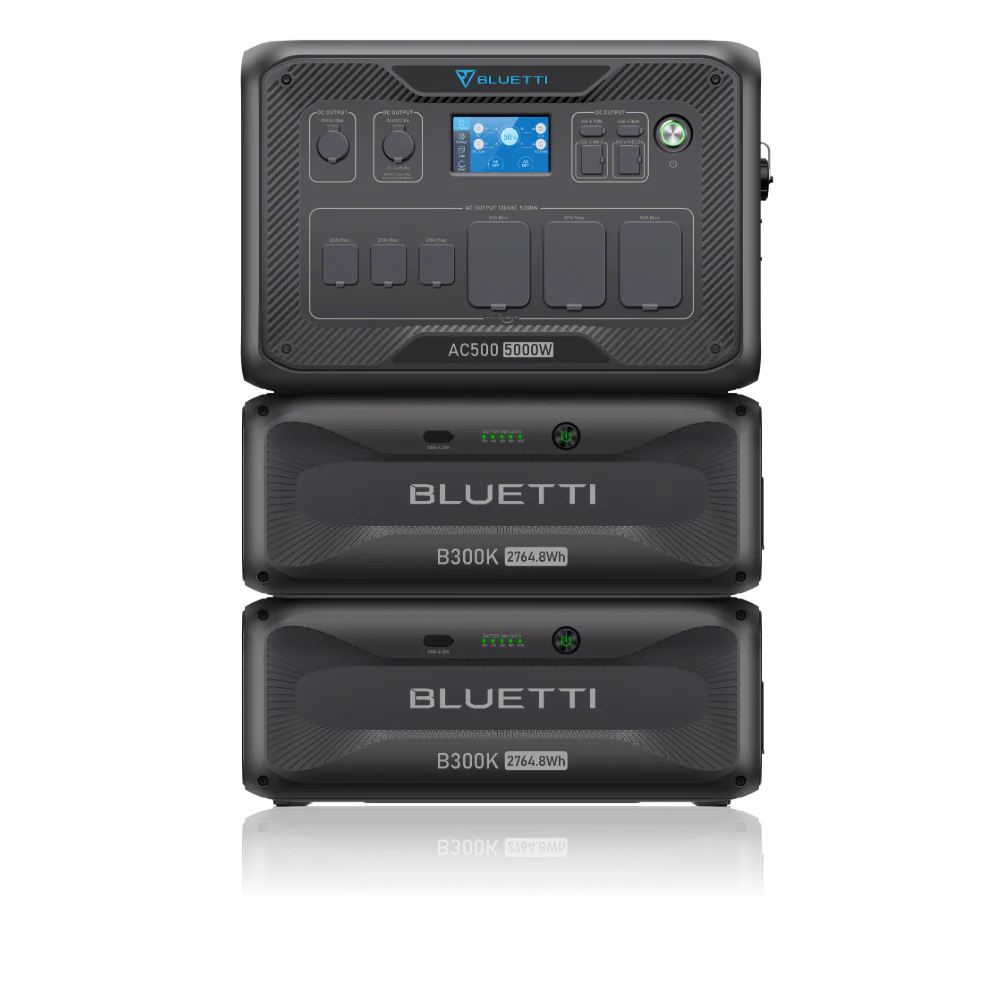
The Bluetti AC500 and Apex 300 pair with B300K and B500K LiFePO4 expansion batteries to cover a wider range of home backup needs than any single competing system. The dual AC500 split phase configuration reaches 61,440 Wh and 10,000W of continuous output, making it the highest-capacity option in this comparison.
LG Home 8
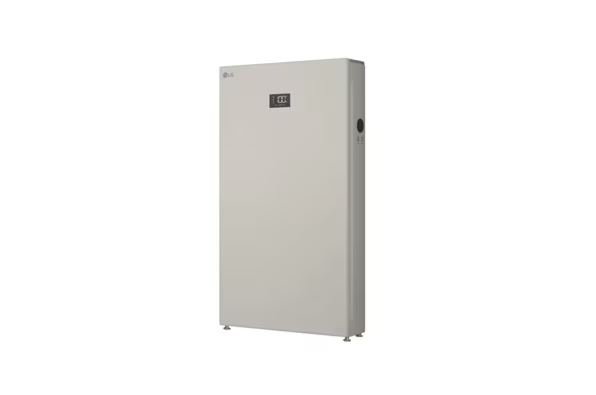
The LG Home 8 stores 14.4 kWh per unit and reaches 57.6 kWh across four stacked units, falling short of the dual AC500 split phase system's 61,440 Wh ceiling. Its integrated Smart Energy Box handles automatic load management without a separate inverter, giving it a simpler installation path than most Bluetti panel-connected configurations.
Learn more: LG Home 8 battery overview
SolarEdge Home Backup
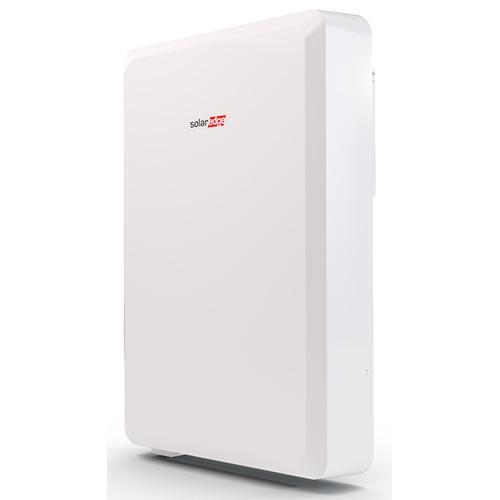
The SolarEdge Home Backup requires SolarEdge inverter hardware to function, restricting it to buyers already within that ecosystem. The Bluetti AC500 and Apex 300 work with any licensed electrician and accept solar input from a wider range of photovoltaic arrays. SolarEdge holds an efficiency edge through DC coupling, recovering more energy per kilowatt-hour of solar generation than Bluetti's AC-coupled input.
Learn more: SolarEdge battery guide
EcoFlow Delta Pro Ultra
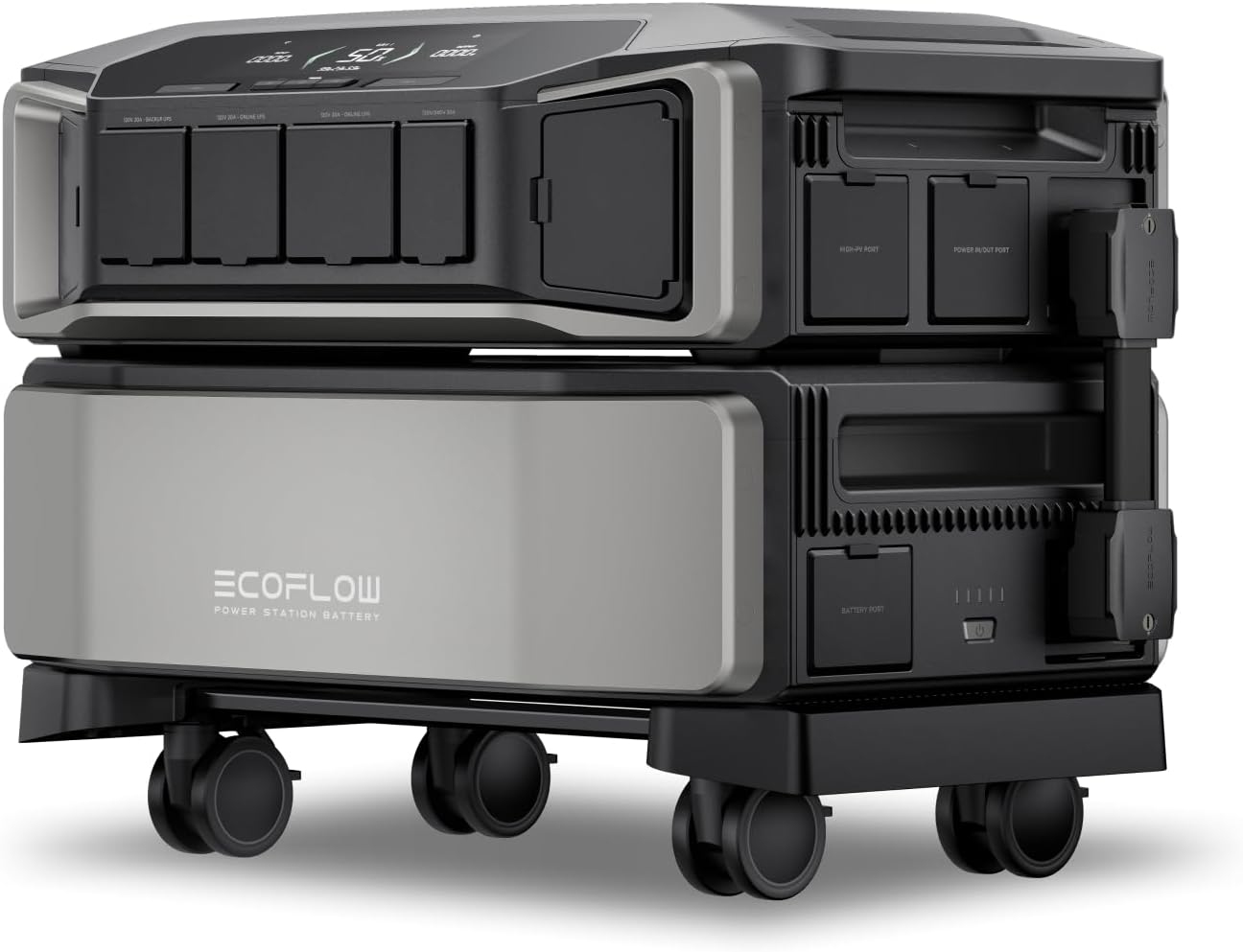
The EcoFlow Delta Pro Ultra reaches up to 90 kWh, exceeding even the dual AC500 split phase system's 61,440 Wh maximum, but carries only a 5-year warranty against Bluetti's 10-year coverage. Its portable modular design suits temporary or flexible installations rather than the fixed whole-home backup role the Bluetti AC500 targets.
Learn more: EcoFlow battery overview
Tesla Powerwall 3
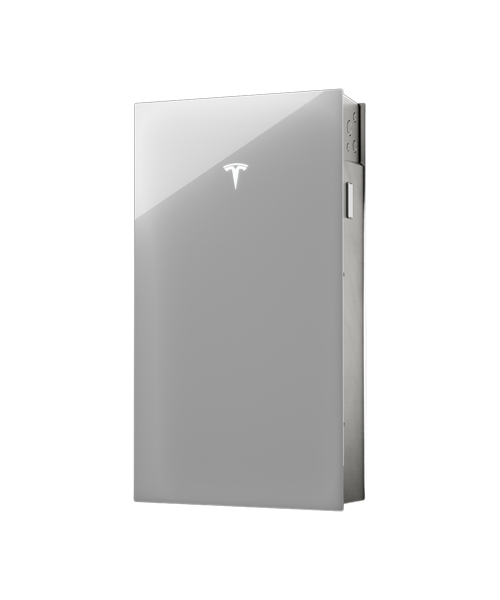
The Tesla Powerwall 3 delivers 11.5 kW of continuous output per unit against the Apex 300's 3,840W and the AC500's 5,000W, making it the stronger single-unit choice for homes with large HVAC compressors and EV chargers running simultaneously. Bluetti's dual AC500 split phase setup matches it on output at 10,000W while offering significantly more storage capacity.
Learn more: Tesla Powerwall 3 overview
Generac PWRcell 2
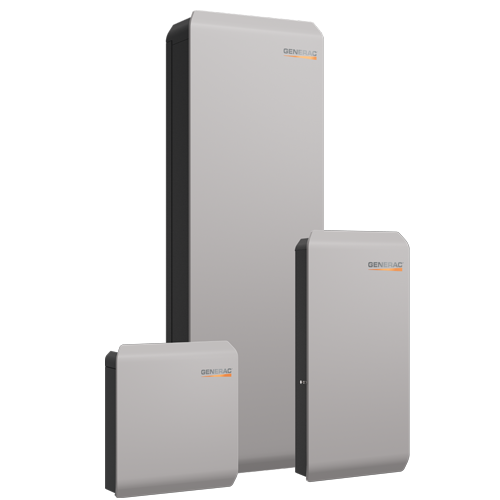
The Generac PWRcell 2 connects directly to a Generac propane or natural gas standby generator, extending backup coverage when stored battery energy runs out. Bluetti offers no equivalent generator integration path, making the PWRcell 2 the stronger option for homeowners in regions where outages regularly stretch beyond 24 hours.
Learn more: Generac PWRcell overview
FranklinWH aPower
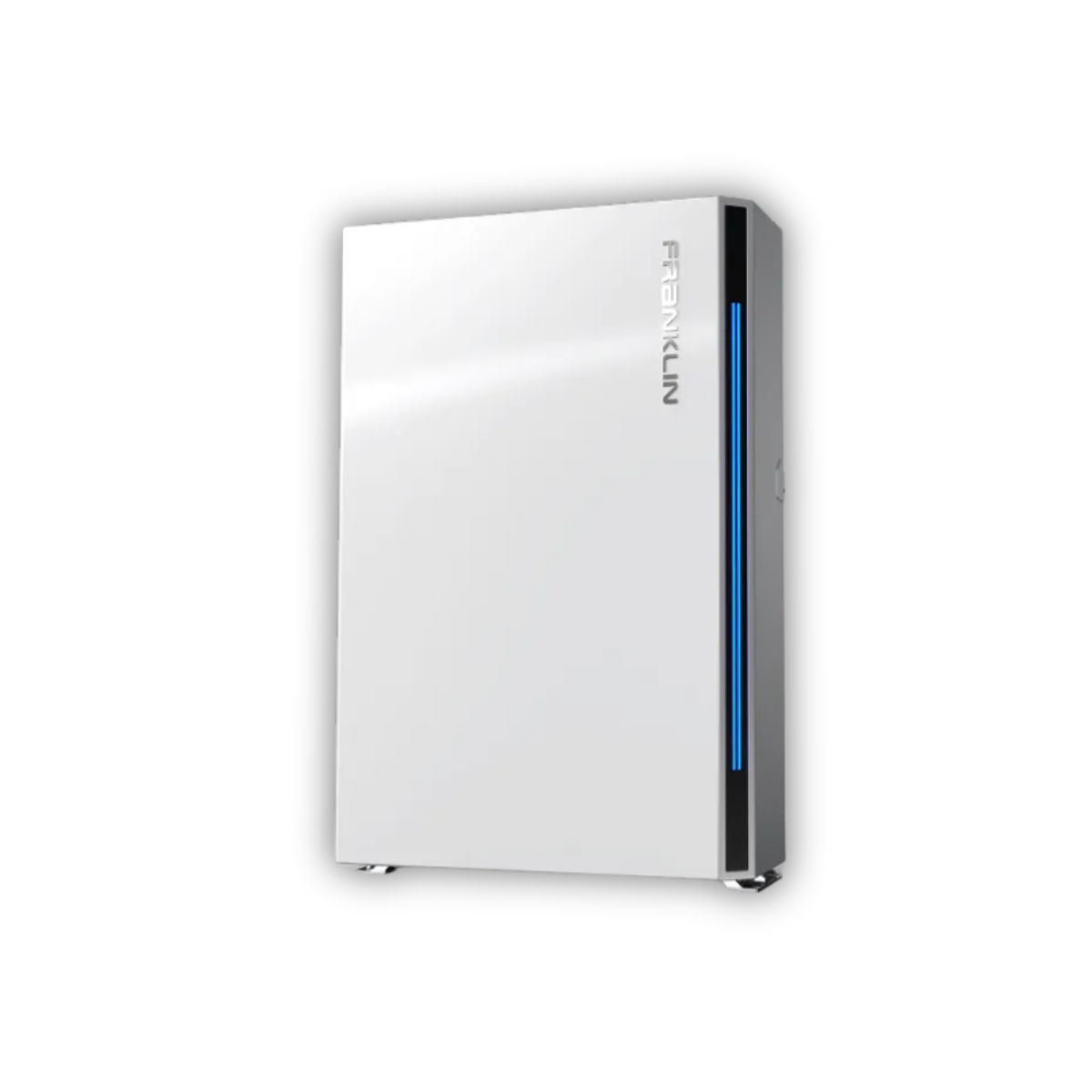
The FranklinWH aPower offers 15 kWh per unit, 10 kW continuous output, and a 15-year LFP cell warranty, edging Bluetti's 10-year coverage on longevity. Bluetti counters with higher maximum system capacity and a lower entry cost for buyers who need moderate storage rather than the longest available warranty term.
Learn more: FranklinWH battery overview
Enphase IQ Battery 5P
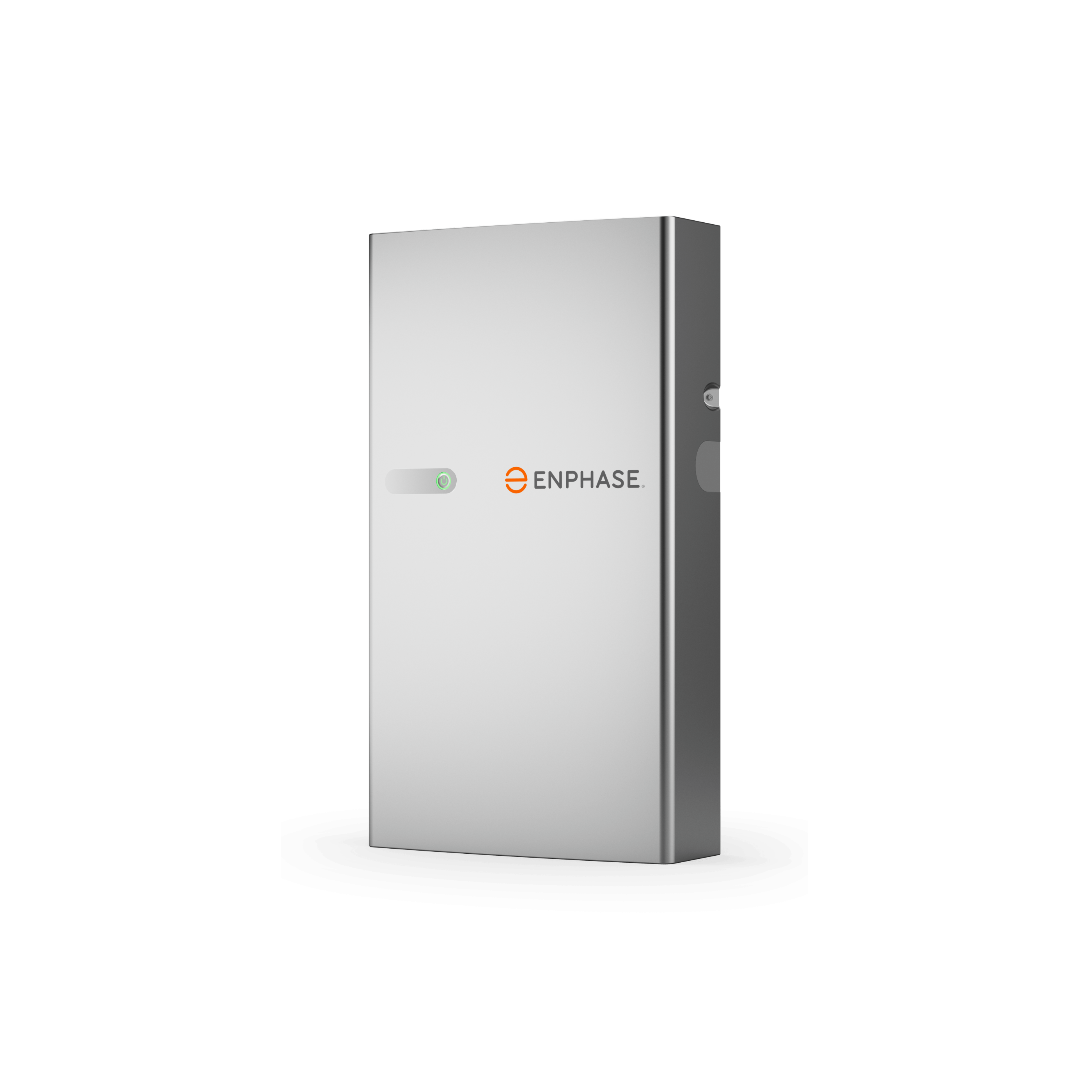
The Enphase IQ Battery 5P adds storage in 5 kWh increments without replacing existing hardware and pairs with non-Enphase solar inverters through AC coupling. Reaching the Apex 300's built-in 2,764.8 Wh plus two B500K batteries requires multiple IQ Battery 5P modules at higher combined cost and greater wall space.
Sonnen ecoLinx
The sonnen ecoLinx pairs cobalt-free LFP cells with a 15-year, 15,000-cycle warranty and deep integration with Amazon Alexa and Google Home automation platforms, outlasting Bluetti's 10-year warranty by a significant margin. Bluetti offers more flexible capacity scaling and a lower entry price for buyers who are not committed to a 15-plus-year installation horizon.
Learn more: Sonnen ecoLinx overview
Note that SunPower's SunVault storage system is no longer available. The company was bought by Complete Solaria, and it now sells Enphase Energy systems as an installer.
Bottom line: Is a Bluetti home battery backup worth it?
The Bluetti lineup covers more ground than most residential energy storage competitors. The modular B300K and B500K expansion system lets buyers start small and add capacity over time. Solar integration is native across every inverter model, and the BLUETTI app provides granular control over charging schedules, discharge behavior, and grid interaction.
The Apex 300 is the best starting point for most homeowners: 3,840W output, up to 33.5 kWh with six B500K batteries, and competitive per-kWh bundle pricing. The AC500 or dual split phase configuration suits larger homes with high peak demand or households planning for multi-day off-grid operation.