
Home battery backup systems can be an invaluable resource when grid power goes down at any cost, but the EcoFlow Delta Pro system offers the benefits of a backup energy supply at one of the most affordable price points on the market. That makes the system an intriguing option for anyone, but especially for people who can’t or don’t want to invest in higher-end systems.
In this guide, we’ll cover what the EcoFlow battery system is and how it compares to other popular home battery systems.
PowerOutage.us tracks outages across 950 utilities serving 200 million customers and lets users configure free text alerts down to specific geographic boundaries. Knowing how often outages hit your neighborhood helps you decide whether an EcoFlow DELTA Pro Ultra has the right capacity for your home.
What is the EcoFlow home battery backup?
The EcoFlow Delta Pro is an affordable and flexible option for a home battery. It features enough capacity on its own to provide basic backup energy for emergencies, but can also be expanded to offer up to 90 kWh to serve as a true whole-home backup. The unit can also be paired with the EcoFlow Smart Home Panel to integrate into a home’s electrical system and enable auto-switching.
However, the EcoFlow battery is a dual-purpose solution. Its compact design also allows it to function as a robust portable power station for ample energy supply while camping, RVing, or doing anything else where grid electricity isn’t available.
EcoFlow backup system components
The EcoFlow Delta Pro backup system features an expandable design that is literally stackable, with the option to connect multiple battery units and an inverter on top of each other. This allows users to add capacity without taking up more floor space.
EcoFlow Delta Pro Ultra Battery
The EcoFlow home backup system uses lithium iron phosphate (LFP) batteries to store and supply power. Base units include one battery, but their design allows for parallel connections to multiply capacity.
EcoFlow Delta Pro Ultra Inverter
The inverter is the central hub of the EcoFlow Delta Pro Ultra system. With an input capacity of up to 5.6 kW per unit, it allows for rapid charging from multiple sources, including solar panels and residential power. The Delta Pro Ultra Inverter also manages energy output and monitoring functions. Each inverter can host up to six EcoFlow batteries.
EcoFlow Smart Home Panel (optional)
The EcoFlow Delta Pro Ultra inverter and battery unit can connect to your home circuitry through a transfer switch on its own. However, pairing it with the EcoFlow Smart Home Panel adds significant functionality and user control. This unit allows users to manage functions like maintaining power reserves and charging rates from the company’s mobile app. It also offers features like time of use mode, which can switch between grid energy and battery energy based on fluctuating utility rates.
What is the EcoFlow backup capacity and power output?
The modular design of the EcoFlow Delta Pro Ultra home backup system allows for up to 30 kWh of capacity per inverter and a total maximum capacity of 90 kWh, with up to 7.2 kW of continuous power output — enough to provide energy for an entire home for up to weeks at a time. In the table below, you’ll find a breakdown of the system’s capacity and output specifications.
- Capacity (per battery): 3.6 kWh
- Continuous output (per battery): 3.6 kW
- Surge output: 7.2 kW
- Maximum number of connected batteries: 24 total (6 per inverter x 3 inverters)
- Maximum energy capacity: 30 kWh per inverter/90 kWh total
- Maximum continuous output: 7.2 kW (with dual units)
What power ratings mean for whole-home loads
When it comes to whole-home loads, backup system power ratings tell you how much energy a system can supply and for how long it can supply it. You can see your home’s average daily energy consumption on your monthly power bill, but it’s also a good idea to note the individual energy needs of major critical appliances such as your HVAC system, refrigerator, and water heater. Compare these figures to the manufacturer specifications for the backup battery system.
The key specifications to compare include:
- Usable capacity: The total amount of energy that can be stored and used to provide electricity.
- Continuous output: The maximum amount of energy that a unit can send to circuitry and appliances for normal consumption at a steady rate.
- Surge output: The maximum amount of energy that a unit can supply for short consumption spikes that occur when heavy-duty appliances start up.
Each of these figures is important in determining whether or not a particular backup system is capable of satisfying your energy needs.
How the EcoFlow battery works during outages
During grid outages, the EcoFlow Delta Pro Ultra battery system can provide backup energy in several ways.
Manual direct connection
The most basic method for using the EcoFlow system during an outage is by manually connecting appliances directly to outlets on the inverter. The Delta Pro Ultra inverter features five 120V AC outlets, a 120V/240V split phase port, two USB-A ports, two USB-C ports, and a 12.6V DC outlet. It also has one Infinity port that serves as an AC input for charging and an output for connecting to an EV charger or the Smart Home Panel.
Transfer switch
Users can also wire the EcoFlow Delta Pro Ultra backup system to their home’s electrical panel through a transfer switch. Transfer switches ensure a safe electrical connection and prevent backflow of electricity from the battery unit back into the grid, which can create an electrocution hazard for utility workers. Some transfer switches are manually operated, but others can automatically detect outages and switch from grid energy to energy from the battery system.
Systems with only one inverter can connect directly to the transfer switch. If users are connecting multiple EcoFlow units to their circuit box, they must first connect them to an EcoFlow 50A hub, which then connects to the transfer switch.
Automated smart connection
EcoFlow also makes it possible to add advanced connectivity to their battery backup systems by integrating a Smart Home Panel. This panel serves as an intermediary between the inverter and circuit box, allowing for automatic switching without the need for a separate transfer switch while also enabling the user to monitor and control the system with an app on their smartphone.
EcoFlow app overview
The EcoFlow mobile app for iOS and Android serves as a full-featured control center for the EcoFlow Delta Pro Ultra home backup system. From the app, users can do things that include:
- Connect to their system locally through Bluetooth or remotely via Wi-Fi
- Monitor real-time stats such as battery level, temperature, input and output wattage
- Turn individual outlets and ports on and off
- Adjust AC charging speed
- Optimize battery life through discharge settings
- Configure auto-timeout settings
- Prioritize specific outlets on the inverter
- Set automated charge/discharge schedules
- Integrate with OpenWeather to auto-charge battery in response to severe weather alerts
How much does the EcoFlow battery system cost?
The average cost of an EcoFlow Delta Pro Ultra battery system ranges from $3,400 to $4,600 for a base unit, which includes a single battery and inverter. This makes the EcoFlow system one of the most affordable home battery backup options on the market.
Equipment costs
Average costs for individual EcoFlow battery system components include:
- EcoFlow Delta Pro Ultra Inverter: $2,200 - $3,600
- EcoFlow Delta Pro Battery: $1,200 - $1,400
- EcoFlow Smart Home Panel: $1,500 - $3,000
- EcoFlow 50A Hub: $200 - $300
EcoFlow battery installation costs
As a portable backup battery unit, the EcoFlow Delta Pro Ultra system doesn’t require an installation if you plan to plug appliances into it directly. It is ready to be used out of the box.
However, if you want to connect the unit to your home circuitry, you’ll need to hire a professional to install a transfer switch or Smart Home Panel properly at an average cost of between $1,000 and $2,000. Integrating the Delta Pro Ultra with your electrical panel involves working with high-voltage electricity, which poses a safety hazard for the installer. An improper installation could also result in short circuiting or an electrical fire.
EcoFlow battery system cost factors
The cost of an EcoFlow backup battery system varies based on factors that include:
- Extra equipment: Adding components to your setup like a Smart Home Panel or a 50A hub increases your equipment costs.
- Additional batteries: You can purchase more batteries for your EcoFlow backup system to expand capacity and output.
- Labor rates: If you require a professional installation, the cost of this service depends on local labor rates for electricians in your area.
EcoFlow ROI considerations
By providing emergency backup energy, the EcoFlow Delta Pro Ultra offers significant value as a source of comfort and safety. But it can also offer a return on investment in ways that include:
- Loss prevention: Having an energy supply for your refrigerator and freezer during outages keeps food from spoiling and needing to be replaced.
- Alternative energy source: When connected to a solar array, the EcoFlow system can be charged via free renewable energy from the sun, reducing the need to buy power from the grid.
- Cost-aware switching: If energy rates are variable in your area, you can charge your EcoFlow unit when rates are at their lowest and use that energy when prices are at their peak to save money.
EcoFlow scalability: how many batteries can you have?
You can connect up to 24 EcoFlow Delta Pro Ultra batteries in total for maximum capacity. Each inverter can accommodate up to six batteries, and you can link up to three inverters together.
Is EcoFlow good for large homes?
The EcoFlow backup system can be a good choice for large homes because capacity can be scaled to meet a home’s energy needs. With the ability to go up to 90 kWh of total capacity, the EcoFlow Delta Pro Ultra system provides more than enough energy to serve as a whole-house battery backup for extended periods of time.
Using EcoFlow with solar
EcoFlow systems are designed to integrate with solar energy setups, with built-in connections for low- and high-PV systems. The units are compatible with a wide range of arrays, making it a suitable option for those who already have an existing solar setup. Each individual inverter can receive up to 5.6 kW of solar input, allowing for efficient charging.
Warranty and expected battery longevity
EcoFlow offers a five-year warranty on Delta Pro Ultra systems, which is substantially shorter than many competitors, who typically offer warranty terms of 10 or 15 years. This may be a significant drawback for some.
However, EcoFlow backup battery systems have an exceptional expected lifespan of 6,500 or more cycles. A cycle is defined as one full charge and discharge. This translates to a working life of 10-15 years under normal conditions.
Factors that affect battery lifespan
Battery life varies significantly with the EcoFlow Delta Pro Ultra and any other backup system due to factors that include:
- Usage rates: Batteries have a finite number of cycles in their working life. The more you charge and discharge your EcoFlow system, the shorter its lifespan will be in terms of time.
- Operating conditions: Cold temperatures slow down chemical reactions in LFP batteries and can shorten their lifespan, so the environmental temperature where a battery is located impacts how long it lasts.
- Maintenance: Regularly inspecting your battery system for corrosion and performing routine maintenance like cleaning and replacing worn parts can extend its working life.
EcoFlow Delta Pro Ultra vs. Tesla Powerwall and other batteries
Compared to the industry’s most popular battery backup system, the Tesla Powerwall 3, the EcoFlow Delta Pro Ultra system features less overall capacity and a lower power output. However, it is also substantially less expensive and has the advantage of being portable and not requiring a professional installation.
Let’s compare a few below. Note that the SunPower SunVault battery was a popular option but is no longer available. SunPower was bought by Complete Solaria and now sells Enphase batteries as an installer. LG RESU Prime is also no longer widely available, as LG Energy Solution exited the residential storage market.
EcoFlow Delta Pro Ultra
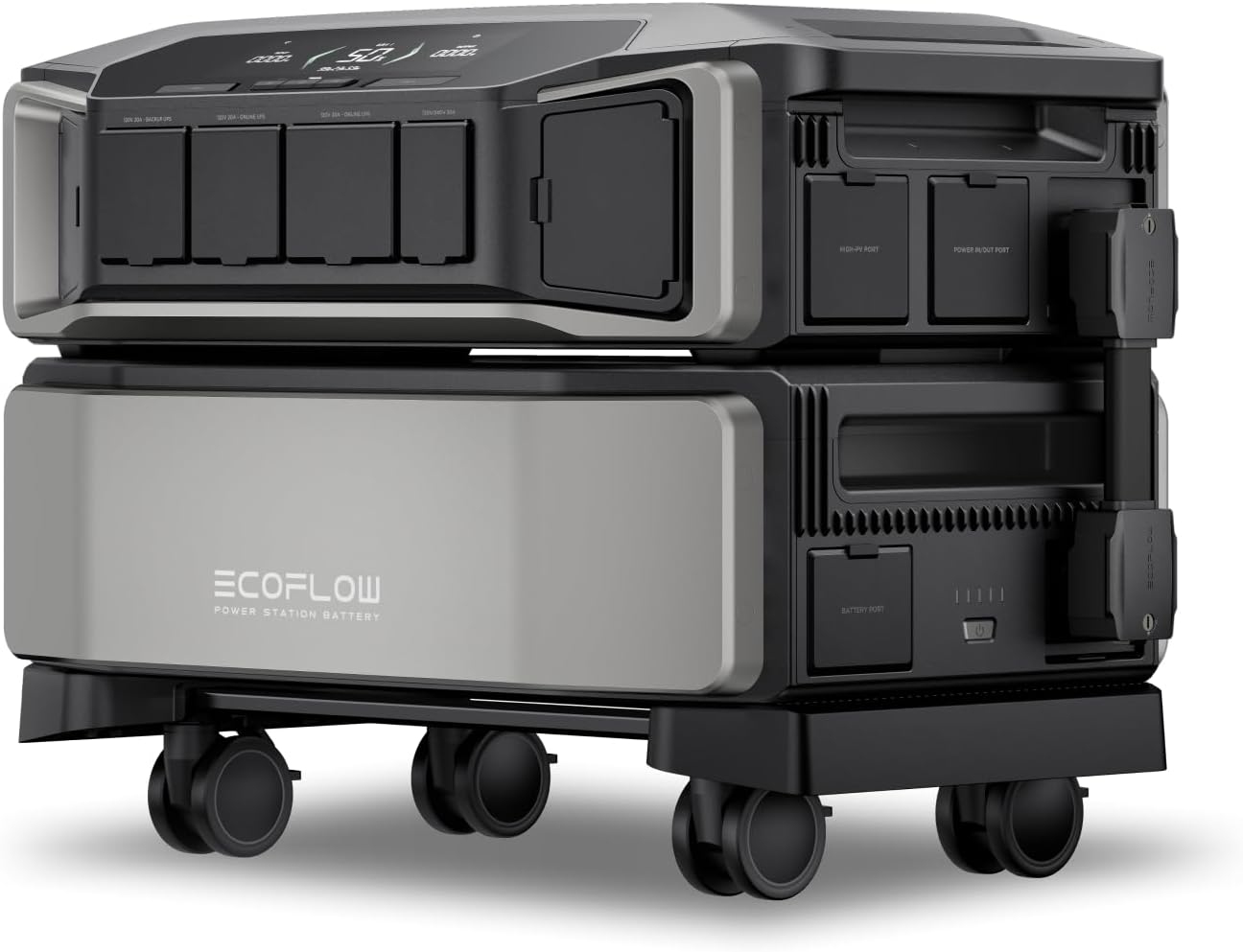
The EcoFlow Delta Pro Ultra starts at 6 kWh usable and scales to 90 kWh with expansion batteries. Its 7.2 kW continuous output handles most household loads. Fast AC charging, LFP cells, and whole-home integration make it EcoFlow's most capable residential system.
Tesla Powerwall 3
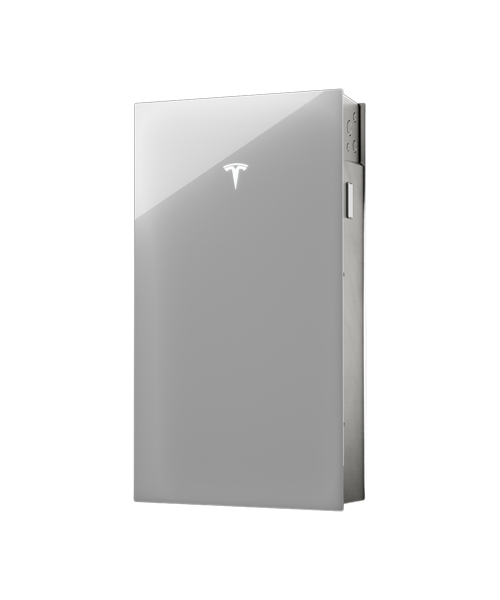
The Tesla Powerwall 3 packs 13.5 kWh usable capacity with an integrated solar inverter, eliminating a separate inverter cost. Continuous output reaches 11.5 kW, enough for whole-home coverage. Outdoor-rated housing and a 10-year warranty make it one of the most complete single-unit residential systems available.
Learn more: Tesla Powerwall 3 overview
FranklinWH aPower

The FranklinWH aPower delivers 15 kWh nominal per unit with 10 kW continuous output. The aGate smart panel handles load management without a separate subpanel, which simplifies installation. A 15-year warranty and whole-home backup capability put it among the strongest long-term value options in the residential market.
Learn more: FranklinWH battery overview
Enphase IQ Battery 5P
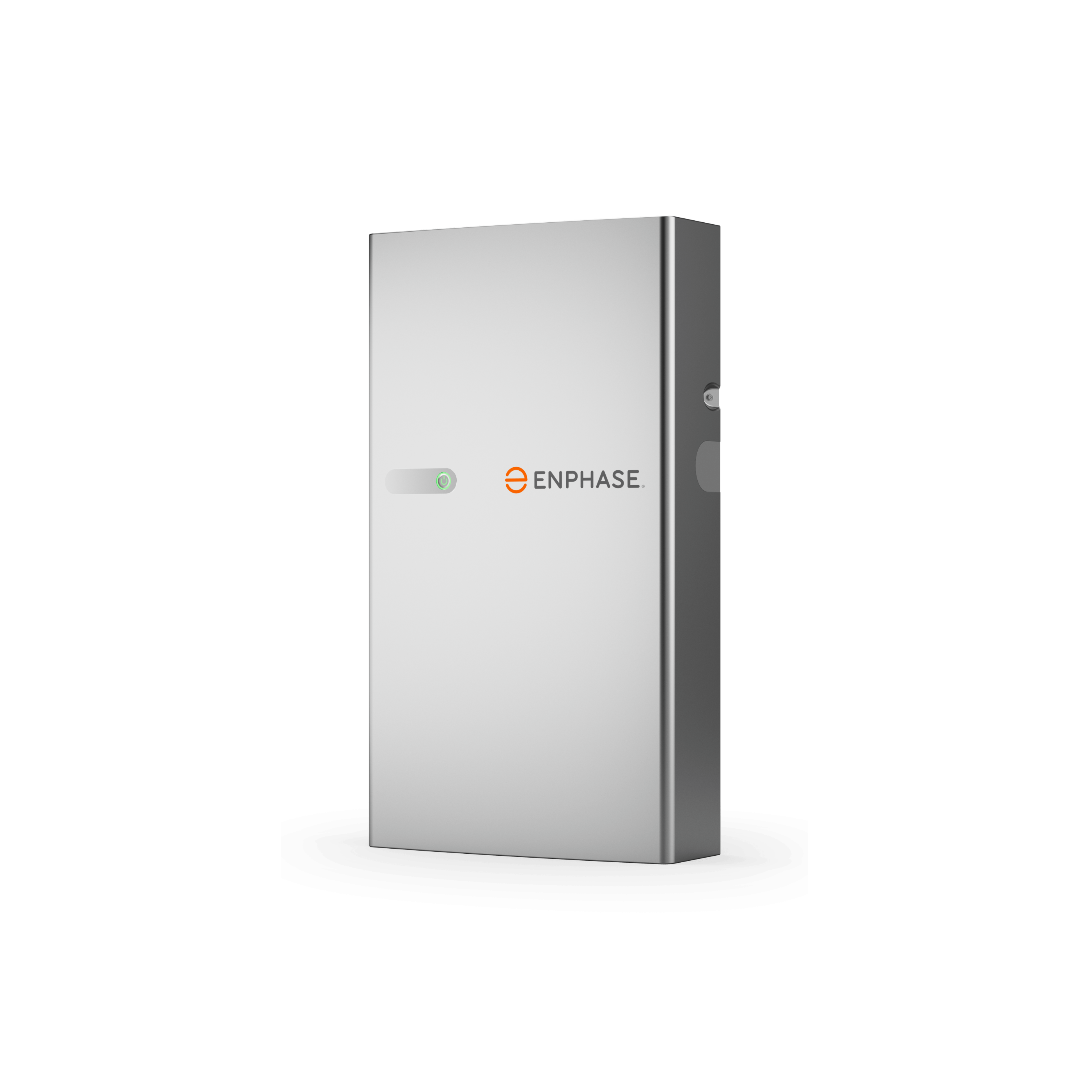
The Enphase IQ Battery 5P starts at 5 kWh per module and scales by adding units, so capacity grows without replacing the system. Each module outputs 3.84 kW continuous and 7.68 kW peak. AC coupling means it integrates cleanly with existing solar installations, including non-Enphase microinverter setups.
Sonnen ecoLinx
The sonnen ecoLinx scales from 12 to 30 kWh using cobalt-free LFP cells and integrates with leading home automation platforms for device-level energy control. A 15-year, 15,000-cycle warranty backs the system, and built-in VPP enrollment lets homeowners earn credits by sharing stored energy with the grid.
Learn more: Sonnen battery overview
Generac PWRcell
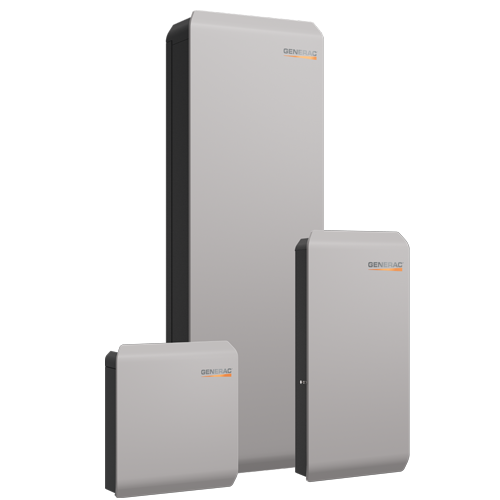
The Generac PWRcell scales from 9 to 18 kWh using modular cabinet inserts. Its inverter delivers up to 11 kW continuous, and native generator integration sets it apart from competitors. That pairing is especially practical for homeowners who want battery backup without abandoning an existing standby generator.
Learn more: Generac PWRcell overview
SolarEdge Home Battery
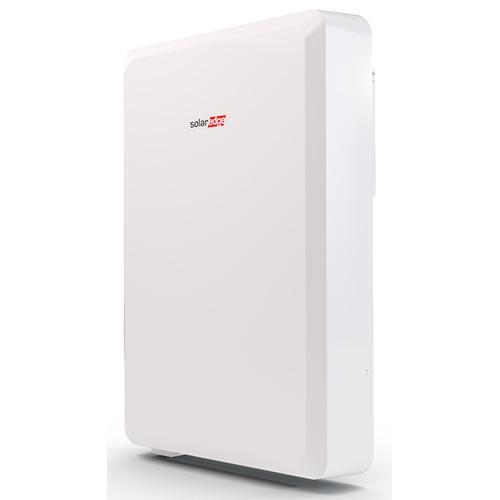
The SolarEdge Home Battery is DC-coupled at 9.7 kWh usable, meaning energy moves directly from panels to storage without an extra conversion step. That improves round-trip efficiency. It works exclusively within the SolarEdge inverter ecosystem, which limits compatibility but tightens energy management performance.
Learn more: SolarEdge battery guide
Bluetti EP900
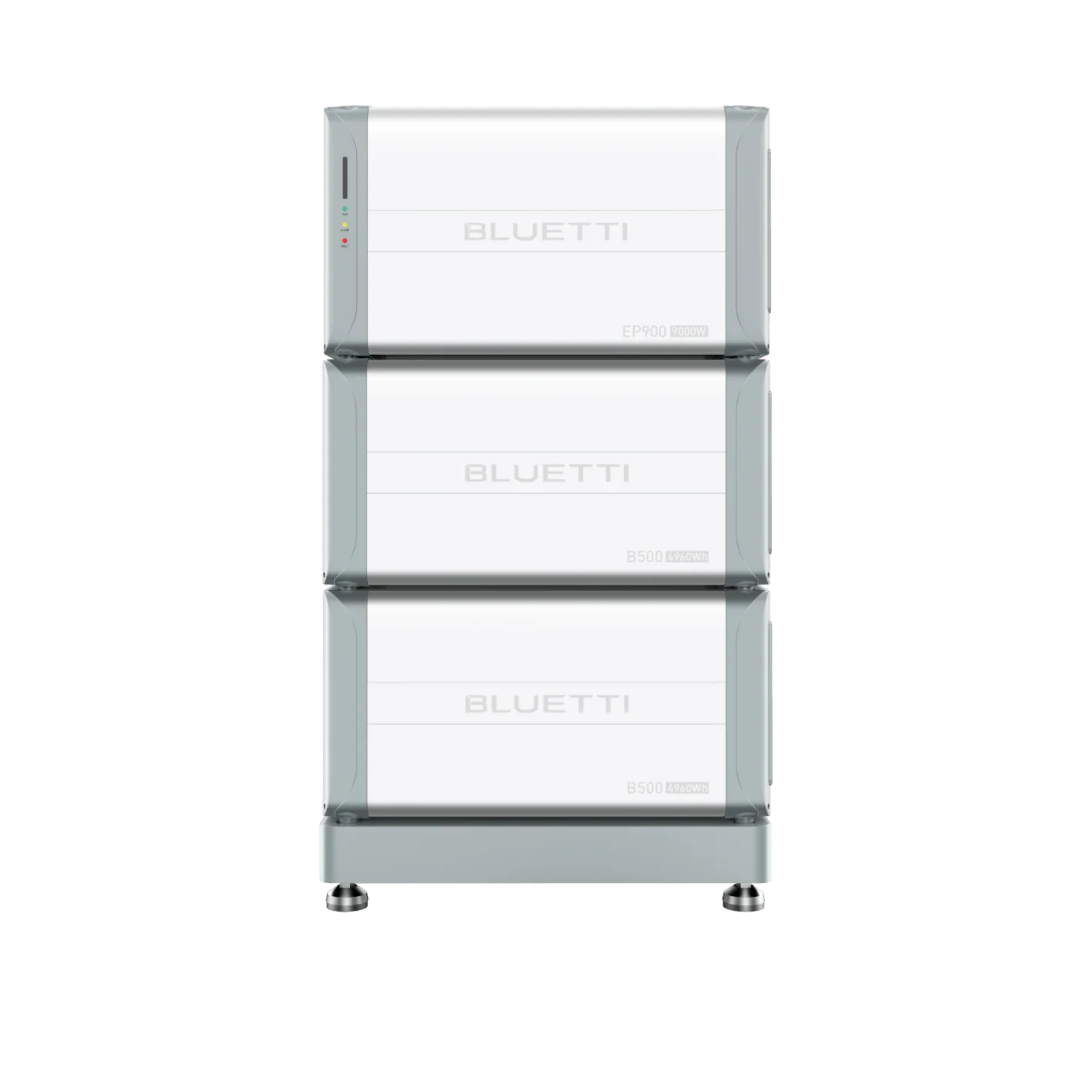
The Bluetti EP900 delivers 9 kW continuous with split-phase 120/240V output and scales to 39.6 kWh with additional B500 battery modules. That modular design suits homeowners who want whole-home backup without committing to full capacity upfront.
Learn more: Bluetti battery overview
Bottom line on EcoFlow batteries
The EcoFlow Delta Pro Ultra battery system is an affordable and versatile option for home backup energy. Its scalable design provides an inexpensive entry-level solution with the base model but allows users to expand capacity to create a whole-home backup unit. In addition, the EcoFlow’s portability means it doesn’t require a professional installation and can be used away from home to supply power for a wide variety of off-grid uses.