

Home battery storage systems deliver very different returns depending on how they’re configured, owned, and used. From backup-only resilience to bill savings, grid payments, and solar value capture, understanding the home backup battery setup is important to knowing whether a battery pays off. Let’s explore some battery setup differences.
PowerOutage.us monitors 950 utilities serving 200 million customers and delivers free real-time text and email alerts the moment a local outage begins. Knowing when your grid loses power and for how long is the clearest way to judge whether a home battery storage system is worth it.
Different home battery setups change ROI
The table below compares common home battery system configurations, showing how goals, ownership, and rate structures change the return on investment.
| Configuration | System Goal | System Goal |
|---|---|---|
| 1. Basic Battery | Emergency Resilience | The benefit is purely maintaining energy and avoiding food spoilage and medical devices failing. |
| 2. Battery + TOU | Bill Reduction | Daily savings: Charges at night and discharges during peak to shift usage away from peak. Can save $300 to $800/year. |
| 3. Battery + VPP | Grid Revenue | Direct value: Utility pays you for "events." Can earn $200 to $1,200/year via programs like Tesla VPP or ConnectedSolutions. |
| 5. Solar + Battery (Owned) | Energy Independence | $0 Charging: No cost to "fill" the battery. High-value exports during peak grid stress ($3.00/kWh in some markets). |
| 6. Solar + Battery with Net Billing (NEM 3.0) | Value Capture & Rate Protection | Avoids low export credits by storing midday solar and discharging during peak pricing. Can gain $1,000+ per year in lost value under NEM 3.0 and protects against future utility rate hikes. |
| 7. Equity Programs | Resilience + Safety | State rebates: Programs like CA’s SGIP or OR’s Solar Within Reach may cover 50% to 100% of costs. |
| 8. Solar + Battery (Leased) | Potentially low payments | PPA companies can pass on 30% federal tax credit + and 10% domestic content bonus for affordability (no ROI though) |
Assumptions behind ROI estimates
All ROI figures in this guide assume a typical owner-occupied single-family home with:
- Annual electricity use of 6,000 to 10,000 kWh
- A battery sized 10 to 15 kWh usable capacity with 5 to 7 kW continuous output
- Round-trip efficiency of at least 88%
- Time-of-use spreads of $0.20 to $0.50 per kWh between off-peak and peak periods
Battery ROI depends on your specific energy habits. Systems gain value when peak usage aligns with high utility rates. If your power consumption is flat or peak prices are low, the battery lacks the price swings needed to generate significant savings.
Finally, all incentive references reflect program availability at the time of writing. State rebates, federal credits, and VPP compensation are policy instruments, not physical guarantees. ROI calculations should always be tested against partial incentive loss or program discontinuation.
Battery only: Basic emergency resilience
In this first scenario, you just have a battery, like a Tesla Powerwall 3 or FranklinWH without solar panels or economic incentives like time-of-use (TOU) optimization. A home battery backup system first exists to provide energy during an outage. When the power goes out, the system uses an inverter, battery management system, and automatic transfer switch to maintain power through grid islanding.
There are no direct incentives in this case, but avoided outage costs can justify the system. A single multi-day outage can easily cost $500 or more in food loss, lost work, hotel stays, or frozen pipes. The ROI comes when you avoid these inconveniences.
However, if your area only has one day’s worth of outages per year, a home backup battery is probably too expensive to justify. You might consider a home generator in that case.
Battery + TOU: Bill reduction through arbitrage
Pairing a battery energy storage system with time-of-use pricing enables energy arbitrage. In other words, you store electricity at a low price and use it during peak pricing.
In markets with a large TOU spread, homeowners can save $300 to $800 per year through peak shaving. ROI improves when round-trip efficiency exceeds 90% and usable capacity is aligned with evening peak demand rather than whole-home runtime.
Battery + VPP: Grid revenue participation
You can also generate a little income by joining a virtual power plant, where utilities compensate customers for dispatching stored energy during grid emergencies. Performance payments are based on kilowatt-hours delivered during events.
Programs like Tesla’s VPP in California (DSGS) and Texas, or the Northeast’s ConnectedSolutions program, can pay $200 to $1,200 per year. Participation requires sufficient continuous power output, reliable energy gateway communication, and a battery with strong cycle life to tolerate event-based discharges.
Solar + battery (owned): Energy independence
Owning solar plus storage removes the marginal cost of charging the battery and maximizes self-consumption. This is typically the option with the best ROI, since you can sell energy back to the grid, take advantage of TOU spreads, or avoid buying power during peak times (depending on local regulations). All this can help you recoup the cost of solar panels with a battery.
During grid stress, exported energy can command premium prices through net metering (up to $3.00/kWh in some markets) while grid islanding keeps essential circuits powered through a critical loads panel. Solar with a battery combines savings, export value, and outage protection into a single asset.
Battery + Solar with net billing (NEM 3.0): Value under modern tariffs
Under net billing tariffs like NEM 3.0, solar-only systems lose most export value. Owners sell midday energy cheaply and buy it back at peak rates later. A home energy storage system with a smart bidirectional inverter can store excess production and prevent value leakage to the grid.
Batteries save your ROI by storing "cheap" midday solar for use when grid prices spike. By pairing storage with larger solar arrays, you stop being penalized by low utility export rates. Instead, you gain a financial shield that turns unpredictable utility bills into predictable, long-term savings.
Equity programs: Resilience and safety (but no ROI)
Equity programs are state or utility initiatives that subsidize battery and solar systems for low-income or high-risk households to improve safety, resilience, and access to reliable power. These systems emphasize high surge power, redundant battery packs, and long-lived battery cell architectures.
California’s SGIP can cover 15% to 100% of installed costs, especially under Equity Resiliency budgets. Oregon and several Northeast states offer storage-specific rebates independent of solar. When incentives offset most of the installed cost per kWh, ROI is measured in life safety, medical reliability, and displacement avoidance rather than dollars saved.
Solar + battery (leased/PPA): Lower payments
We’re including power purchase agreements (PPAs) and leases since many people use them, but it’s important to note that the leasing or PPA company owns the panels and battery, not you. Therefore, there is no ROI, since you aren’t making an investment—only a payment similar to rent or a fixed payment per kWh.
It’s worth noting that lease companies can still claim the 30% federal clean energy tax credit, and even the 10% domestic content bonus if the panels and battery were mostly made in the USA.
The company could pass these savings onto you. This means a PPA payment could be lower than the payment for financing a solar-plus-battery system with a loan. However, we generally don’t recommend this option, since you don’t own the energy system. Also, a lease or PPA provider might require your battery to participate in a VPP, but the company receives the payments for contributed energy. It might lower your bill slightly, but you don’t get the VPP payments.
You might also find a lease-to-own option with solar+battery. In a lease-to-own agreement, you pay monthly "rent" for the solar/battery system for a set term (often 10 to 25 years). At the contract's end, you gain full ownership. The provider handles maintenance and claims the 30% tax credit to lower your monthly payments along the way.
Conditions when battery ROI breaks down
Battery economics weaken or fail under the following conditions:
- Low TOU price spread (under $0.15/kWh), which eliminates meaningful arbitrage value
- Export caps or VPP event limits that restrict dispatchable kWh
- Undersized inverters that cannot discharge during full peak windows
- Aggressive daily cycling that degrades usable capacity faster than modeled
- Policy risk, including incentive sunset clauses or changes to dispatch compensation
In these cases, batteries revert from revenue assets to resilience-only infrastructure.
Which home battery systems are worth considering?
Three products cover the backup, solar integration, and retrofit use cases described in the configurations above.
Tesla Powerwall 3
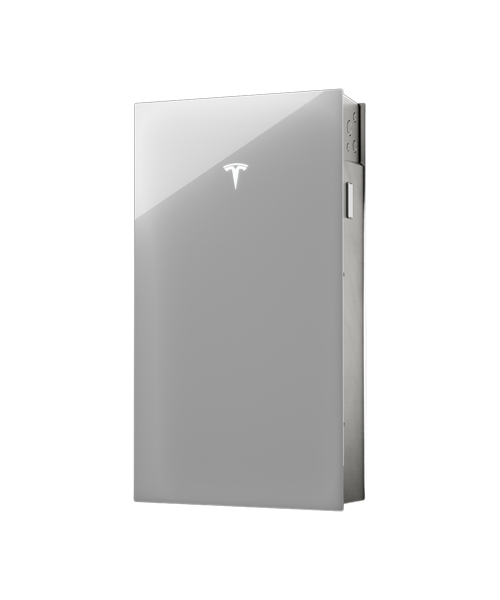
The Tesla Powerwall 3 stores 13.5 kWh of lithium iron phosphate energy with a built-in 11.5 kW solar inverter inside a single enclosure. That integrated inverter removes the need for a separate string inverter and reduces round-trip energy loss.
Powerwall 3 qualifies for Virtual Power Plant programs in California and Texas through Tesla. Utilities dispatch stored energy during peak demand events and pay homeowners for each kWh delivered. A 10 year warranty covers the unit with a 70% end of warranty capacity floor.
Enphase IQ Battery 5P
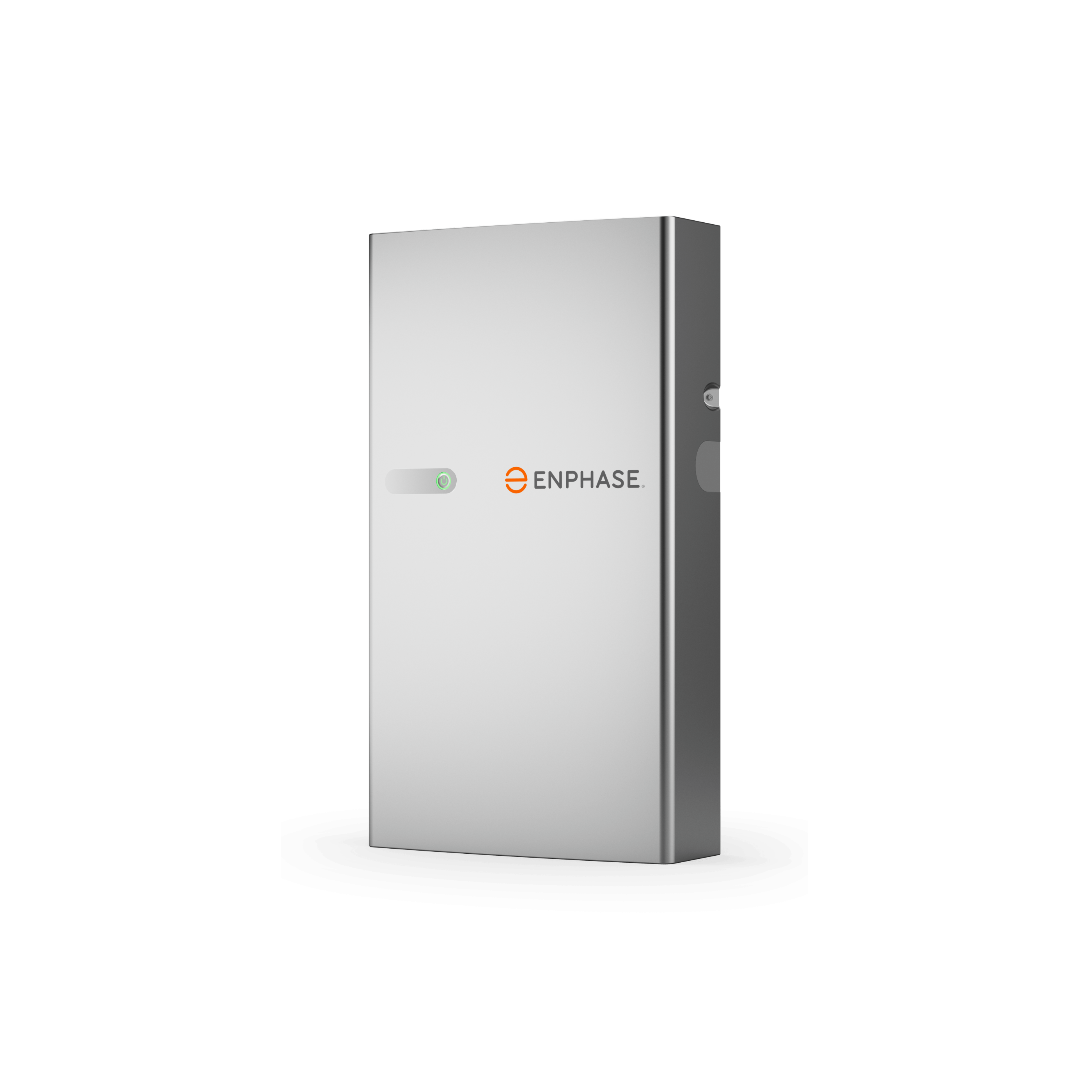
The Enphase IQ Battery 5P stores 5 kWh per module in LFP cells and stacks up to four units through the IQ System Controller 3. Its design integrates directly with IQ8 Microinverters without requiring a separate hybrid inverter.
In NEM 3.0 markets, stacked IQ Battery 5P modules prevent midday solar overproduction from selling back at low export rates. The Enphase energy management system coordinates charge timing with TOU rate windows and microinverter output simultaneously.
FranklinWH aPower 2
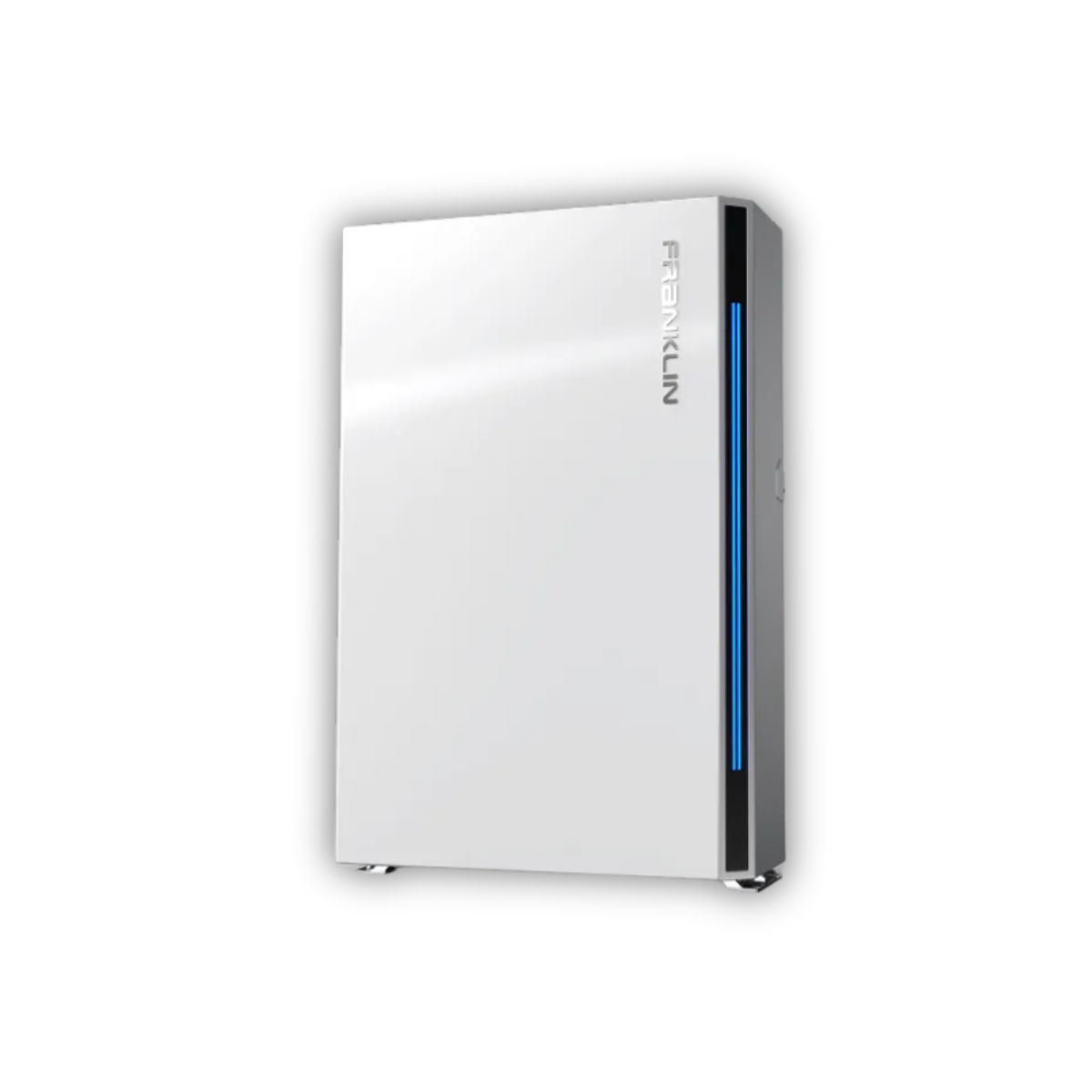
The FranklinWH aPower 2 stores 13.6 kWh of LFP capacity and connects to any compatible inverter brand. That flexibility makes it a strong choice for retrofits where existing solar hardware is already installed.
The aPower 2 supports high surge loads like HVAC compressors and well pump motors that draw heavy current at startup. Multiple units stack for expanded whole home capacity in off grid or resilience first configurations.
Bottom line on home backup system ROI
To wrap up, home battery system ROI depends on configuration and rates: backup-only systems provide resilience, while batteries paired with TOU, VPPs, or solar can reduce bills or earn revenue. Returns hinge on energy use, rate spreads, incentives, and policy stability, and can collapse under unfavorable tariffs or program limits.