

The LG Energy Solution Home 8 is the company's current flagship residential energy storage system, replacing the RESU battery series as LG's primary home backup product. This review covers the Home 8's specifications, installed costs, and warranty in detail. It also includes a head-to-head comparison of the Home 8 against the Tesla Powerwall 3, the FranklinWH aPower, and other leading residential ESS products.
PowerOutage.us tracks real-time outage data across 950 utilities serving more than 200 million U.S. customers, covering roughly 96 percent of the country. That outage visibility gives homeowners a regional risk baseline for deciding whether a single LG Home 8 unit or a stacked four-unit array fits their backup needs.
What is the LG Home 8 system?
The LG Home 8 is a residential energy storage system, not a standalone battery module. An ESS integrates lithium-ion cells, power conversion electronics, and a control unit in one enclosure, which removes the third-party hybrid inverter requirement that the RESU series carried.
LG Energy Solution, a subsidiary of LG Chem, built the Home 8 to align with the integrated format that the residential storage market has moved toward since 2023.
The Home 8 ecosystem has three core components: the Home 8 battery unit, the Smart Energy Box, and the LG ThinQ application. Each handles a distinct function, but all three operate as one managed system. This unified architecture differs from the RESU assembly, which required homeowners to source a compatible hybrid inverter from SolarEdge, SMA, or Fronius separately.
The single-vendor design matters most during installation and ongoing support. A unified ESS reduces compatibility risk between components, simplifies permitting in most jurisdictions, and gives homeowners one service contact for the full system rather than two.
LG Home 8 vs. LG RESU: What changed?
The LG RESU Prime series was a battery-only product. Each RESU Prime module stored DC energy but required a separate hybrid inverter to convert that energy into AC power for residential circuits.
Homeowners had to select a compatible inverter, coordinate two warranty timelines, and configure both systems to communicate. That approach gave experienced buyers inverter flexibility but added cost, integration complexity, and a second point of hardware failure.
The LG Home 8 removes the external inverter requirement. Power conversion hardware is integrated directly into the unit alongside the NMC cell assembly and the battery management system. The Smart Energy Box handles automatic load switching, grid interaction, and circuit prioritization. The ThinQ app replaces the inverter-specific monitoring platforms that RESU installations depended on, such as the SolarEdge monitoring portal or the SMA Sunny Portal.
Scalability also changed. RESU systems capped at two parallel battery modules per setup, which limited usable storage to 32 kWh under the best conditions. Some hybrid inverters allowed limited expansion beyond that, but configurations varied by inverter model and installer setup.
The Home 8 supports stacking up to four units in one system, reaching 57.6 kWh of usable capacity. The RESU series remains a supported legacy product for existing installations, but LG Energy Solution directs new residential deployments to the Home 8 platform.
LG Home 8 system components
Each LG Home 8 unit stores 14.4 kWh of usable energy and delivers 7.5 kW of continuous power. The battery chemistry is likely nickel manganese cobalt (NMC), consistent with the RESU Prime series, though LG Energy Solution has not published a full electrochemical specification for the Home 8 at the time of writing.
NMC cells offer a favorable energy density per unit volume, which allows a 14.4 kWh system to occupy a compact wall-mounted footprint. The tradeoff is that NMC cells carry a lower thermal tolerance ceiling than lithium iron phosphate (LFP) cells, which becomes relevant for installations in unconditioned garages or outdoor enclosures in hot climates.
Four units in a stacked array reach 57.6 kWh of total usable storage. Continuous power output does not scale at the same rate as capacity, so buyers planning a multi-unit installation should verify combined output ratings with a certified LG installer before finalizing a system size.
What does the Smart Energy Box do?
The Smart Energy Box is the load management and grid interface controller of the Home 8 system. It monitors residential power consumption in real time, manages automatic transfer to stored energy when grid power fails, and coordinates the interaction between solar generation, battery state of charge, and grid draw.
Because the Smart Energy Box handles load management at the system level, many Home 8 installations do not require a separate smart panel upgrade. Electrical panel condition and amperage capacity still determine whether panel work is needed at a given site.
Automatic backup transfer eliminates the manual generator-start step that conventional standby generators require. The switchover response time, which LG has not published for the Home 8, determines how sensitive equipment like medical devices and networked computers experience the transition from grid power to stored energy.
How does the LG ThinQ app connect to Home 8?
The LG ThinQ application connects iOS and Android devices to the Home 8 system for real-time monitoring and control. The app displays battery state of charge, household energy consumption, and photovoltaic generation figures when a solar array is connected.
Homeowners can use ThinQ to schedule charge and discharge cycles around time-of-use electricity rates without manual daily adjustments.
ThinQ also integrates with LG smart appliances including washers, dryers, and HVAC systems, enabling device-level energy coordination. In an LG appliance household, ThinQ can delay or shift appliance cycles to align with low battery draw periods or peak solar generation windows.
Buyers without LG appliances still benefit from battery monitoring and charge scheduling, but the appliance automation layer adds no value outside the LG product ecosystem.
Capacity, power, and scalability
The LG Home 8 stores 14.4 kWh per unit, placing it above the 13.5 kWh Tesla Powerwall 3 and well above the 9.7 kWh SolarEdge Home Battery on a per-unit basis. A single Home 8 unit can sustain essential residential loads through a short outage, covering a standard refrigerator, LED lighting circuits, a broadband router, and a split-system air conditioner at moderate duty. The 7.5 kW continuous output rating sets the ceiling for simultaneous appliance loads, not the energy capacity.
Stacking Home 8 units
Stacking four Home 8 units reaches 57.6 kWh of usable storage. That total capacity can sustain most large single-family homes through a 24 to 48-hour outage at average consumption, provided solar recharging is unavailable.
Homes with electric vehicle charging stations, resistance electric heating, or whole-home air conditioning at scale will draw down 57.6 kWh considerably faster than homes using natural gas for heating and cooking.
Capacity vs output
The difference between energy capacity in kilowatt-hours and power output in kilowatts causes significant confusion in residential storage purchases.
Capacity answers the question of how long a battery system can run a given load. Output answers the question of what loads the system can run at the same time.
A 14.4 kWh battery at 7.5 kW output can power 7.5 kW worth of appliances for roughly 1.9 hours, or 3 kW worth of appliances for roughly 4.8 hours. Buyers who evaluate only kWh ratings regularly discover after installation that their system cannot start a central air conditioner and a heat pump water heater simultaneously, even with a full charge.
How does LG Home 8 work during power outages?
When grid power fails, the Smart Energy Box detects the voltage loss and transfers the home's circuits to stored battery energy. The transfer happens automatically without requiring a manual switch or app interaction.
LG has not published a specific transfer time for the Home 8 at the time of writing, so buyers with life-sustaining medical equipment should request this specification from a certified LG installer and evaluate it against equipment sensitivity requirements.
Is one battery enough?
A single Home 8 unit provides partial-home backup, covering critical circuits including refrigeration, essential lighting, and communication equipment. A four-unit installation provides whole-home backup coverage for most residential consumption profiles at moderate draw.
Homes running high-draw loads like electric dryers, pool pumps, or central resistance heat will cycle through 57.6 kWh faster and should evaluate their peak and average consumption data before selecting a system size.
When a connected photovoltaic array generates power during a daytime outage, the Smart Energy Box can route that generation to active loads or direct it into the battery cells for overnight backup. This extends effective backup duration significantly on clear days. Overcast or winter conditions reduce solar input and increase the system's dependence on stored capacity alone.
Installation and system compatibility
The LG Home 8 uses AC coupling, which means the system connects to a home's electrical panel on the alternating current side rather than directly to the DC output terminals of a solar array.
AC coupling allows the Home 8 to work with any existing grid-tied solar installation regardless of the solar inverter brand, including Enphase IQ8 microinverter systems, SolarEdge string inverters, and SMA Sunny Boy units. This retrofit compatibility is an advantage over DC-coupled systems like the SolarEdge Home Battery, which requires SolarEdge inverter hardware for full system integration.
The efficiency tradeoff of AC coupling is real but modest in most installations. DC-coupled systems skip one power conversion step between solar generation and home use, recovering slightly more usable energy from each kilowatt-hour of photovoltaic production.
For high-consumption households where solar self-consumption has direct financial value, the efficiency difference between AC-coupled and DC-coupled systems can translate to measurable annual savings. For most residential installations, the retrofit flexibility of AC coupling outweighs the marginal efficiency difference.
Site-specific factors that affect installation cost and complexity include the age and amperage of the existing electrical panel, the physical mounting location for the Home 8 unit and Smart Energy Box, local permitting requirements, and whether an existing solar interconnection agreement covers added storage. Certified LG installers can assess these variables during a site evaluation before quoting a final installed price.
LG Home 8 cost estimates
LG Energy Solution introduced the Home 8 as a newer product in the North American residential storage market. Installer pricing is still normalizing across regions, and cost data from large-scale installations is limited compared to established products like the Tesla Powerwall 3.
The ranges below reflect comparable integrated ESS products and early installer pricing data. Treat these home battery cost figures as planning benchmarks rather than fixed retail prices.
What does LG Home 8 equipment cost?
A single LG Home 8 unit including the Smart Energy Box is estimated to cost between $7,000 and $10,000 for equipment alone. Multi-unit arrays scale proportionally in equipment cost, though bulk pricing through LG-certified installation partners may reduce per-unit cost for larger deployments.
What does LG Home 8 installation cost?
Installation costs for a single Home 8 unit are estimated between $2,000 and $4,000. This range reflects regional labor rate variation, solar integration complexity, and local permitting and inspection fees. Multi-unit and whole-home backup installations typically fall toward the upper end of this range due to increased conduit work, load calculation requirements, and commissioning time.
What is the total installed cost range?
Total installed cost for a single LG Home 8 unit is estimated between $9,000 and $14,000. A four-unit installation at maximum capacity carries an estimated total cost of $32,000 to $52,000 before applying available incentives.
ROI potential
Public Law 119-21, also called the One Big Beautiful Bill Act, repealed the residential clean energy credit for any solar panel, geothermal heat pump, or home battery installation completed afte December 31, 2025. In other words, batteries don’t qualify any longer for the tax credit, so we have to look elsewhere for some ROI potential.
TOU optimization
Time-of-use optimization generates recurring bill savings for homeowners in utility territories with peak and off-peak rate structures. The ThinQ application allows charge scheduling so the Home 8 draws grid energy during low-rate overnight hours and discharges during high-rate midday and evening windows.
In markets where peak rates run two to three times higher than off-peak rates, this cycle can reduce monthly electricity costs by a meaningful amount without any solar generation.
Net metering
Net metering participation allows homeowners in qualifying utility territories to sell excess stored or generated energy back to the grid, turning the Home 8 into an income-producing asset during high-demand periods.
Food preservation value during multi-day outages, equipment protection for sensitive electronics, and backup power for residential medical devices add financial and practical value that does not appear as a line item on an electricity bill.
How long does the LG battery last?
LG Energy Solution provides a 10-year product warranty on the Home 8 system. Specific capacity retention guarantees have not been formally published at the time of writing. The RESU Prime series carried a warranty floor of 70% retained capacity after 10 years, and the Home 8 is expected to carry a similar retention floor, but buyers should confirm the exact figure with an LG-certified installer before purchase.
How long NMC cells last
NMC cell chemistry in the Home 8's capacity class typically delivers 4,000 to 6,000 full charge-discharge cycles under normal operating conditions. At one full cycle per day, that range corresponds to 11 to 16 years of useful life. Real residential usage rarely involves full daily cycling, so partial charge and discharge patterns extend practical lifespan beyond the cycle count projection.
Battery degradation accelerates under sustained ambient temperatures above 40 degrees Celsius, repeated deep discharge to near-zero state of charge, and long-duration storage at 100% charge.
Indoor or shaded mounting locations, regular cycling to maintain cell conditioning, and avoiding persistent full-charge storage states all contribute to preserving capacity retention through the warranty period and beyond.
LG Home 8 vs. Other Home Battery Systems
A single LG Home 8 unit stores more energy than most competing residential ESS products at the individual unit level. Below are comparisons between the Home 8 and other prominent backup options.
LG Home 8
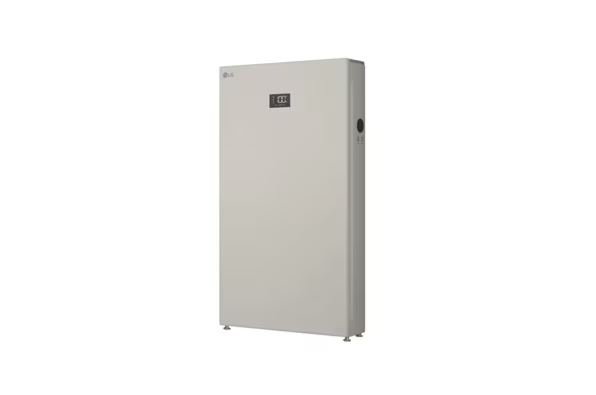
The LG Home 8 stores 14.4 kWh per unit and reaches 57.6 kWh when four units are stacked together. The integrated Smart Energy Box handles automatic backup switching and load management without requiring a separate inverter or smart panel, which reduces installation complexity on most residential sites.
SolarEdge Home Backup
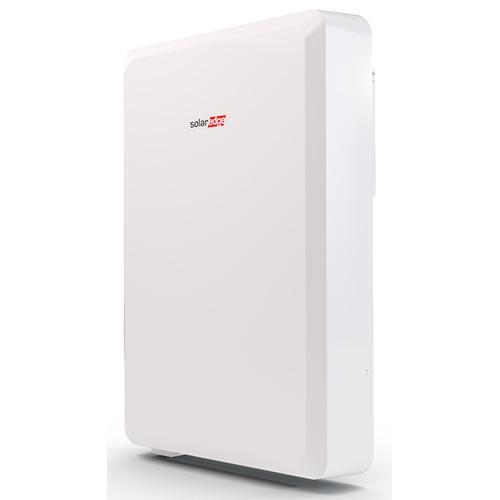
The SolarEdge Home Backup requires SolarEdge inverter hardware to function, which limits its appeal to buyers already within that ecosystem. The Home 8 accepts AC input from any grid-tied solar inverter brand, giving it broader retrofit compatibility. SolarEdge holds an efficiency edge through DC coupling, recovering more energy from each kilowatt-hour of solar generation.
Learn more: SolarEdge battery guide
EcoFlow Delta Pro Ultra
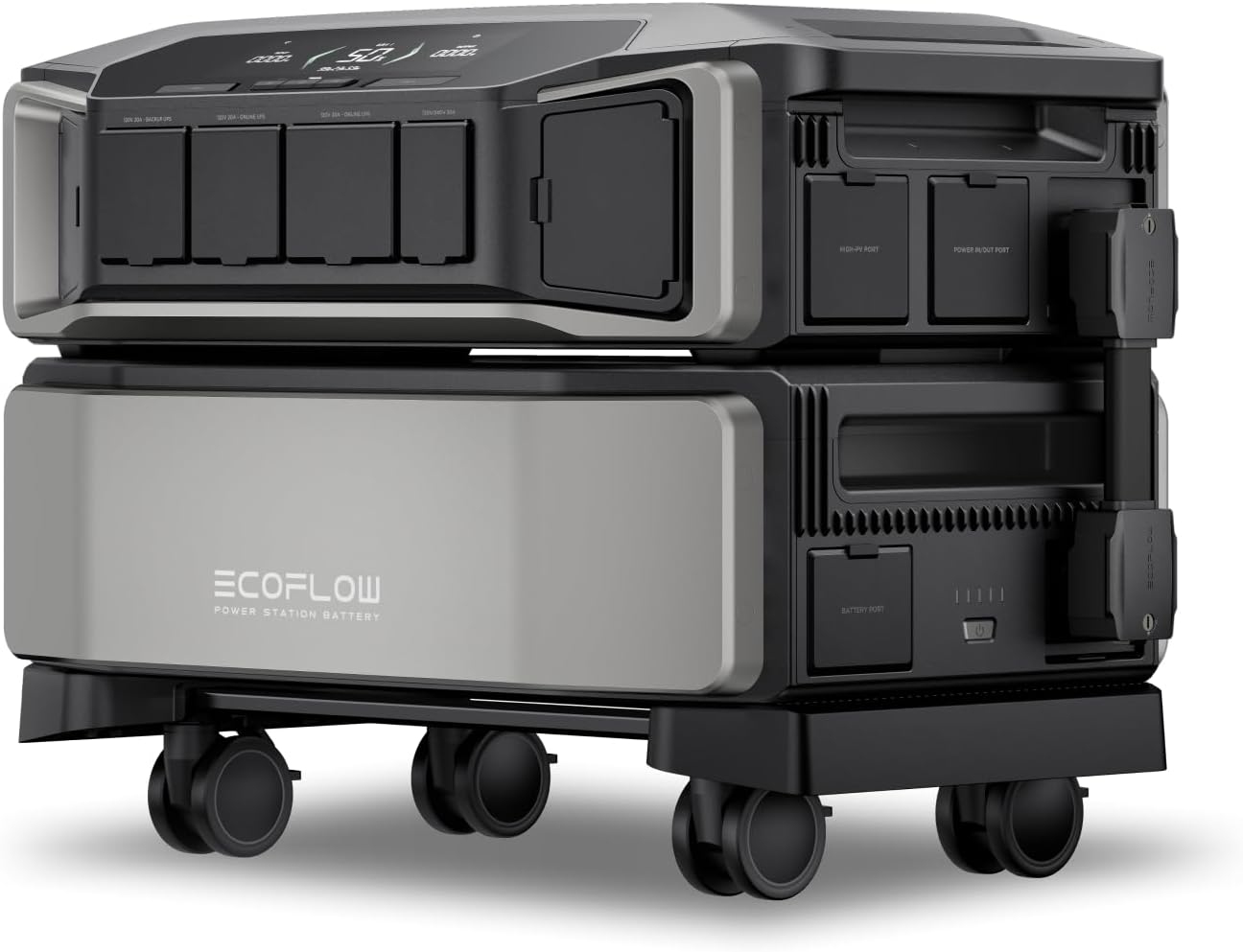
At up to 90 kWh, the EcoFlow Delta Pro Ultra exceeds the Home 8's maximum 57.6 kWh capacity, but it carries only a 5-year warranty against the Home 8's 10-year coverage. The Delta Pro Ultra is portable and modular, which suits buyers who need flexible or temporary storage rather than a fixed whole-home installation.
Learn more: EcoFlow battery overview
Tesla Powerwall 3
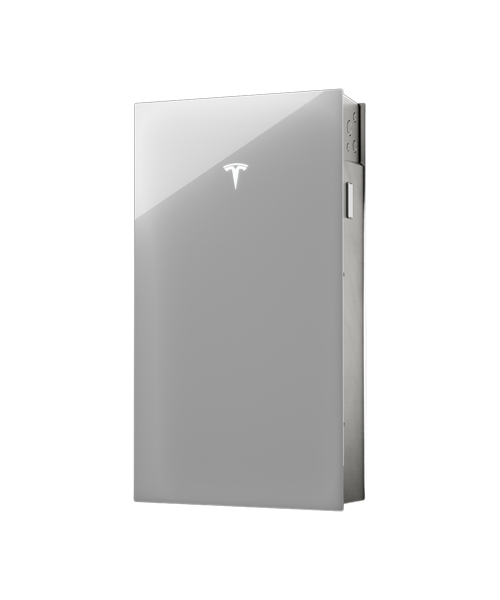
Where the Home 8 stores more energy per unit, the Tesla Powerwall 3 delivers more power, with 11.5 kW of continuous output compared to 7.5 kW. Homes running heat pump water heaters, central air conditioning compressors, and EV chargers simultaneously will feel that gap. The Powerwall 3 also bundles a solar inverter, which simplifies new solar-plus-storage installations outside the LG ecosystem.
Learn more: Tesla Powerwall 3 overview
Generac PWRcell 2
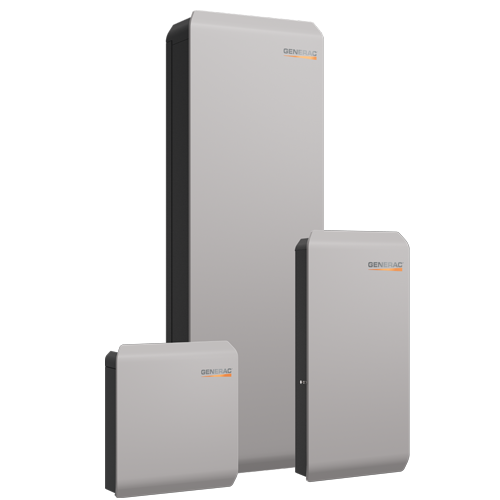
The Generac PWRcell 2 is the only system here that connects directly to a Generac propane or natural gas standby generator, extending backup coverage when stored battery energy runs out. That pairing makes it the more capable option for homeowners in areas where outages regularly stretch beyond 24 hours. The Home 8 offers no equivalent generator integration path.
Learn more: Generac PWRcell overview
FranklinWH aPower
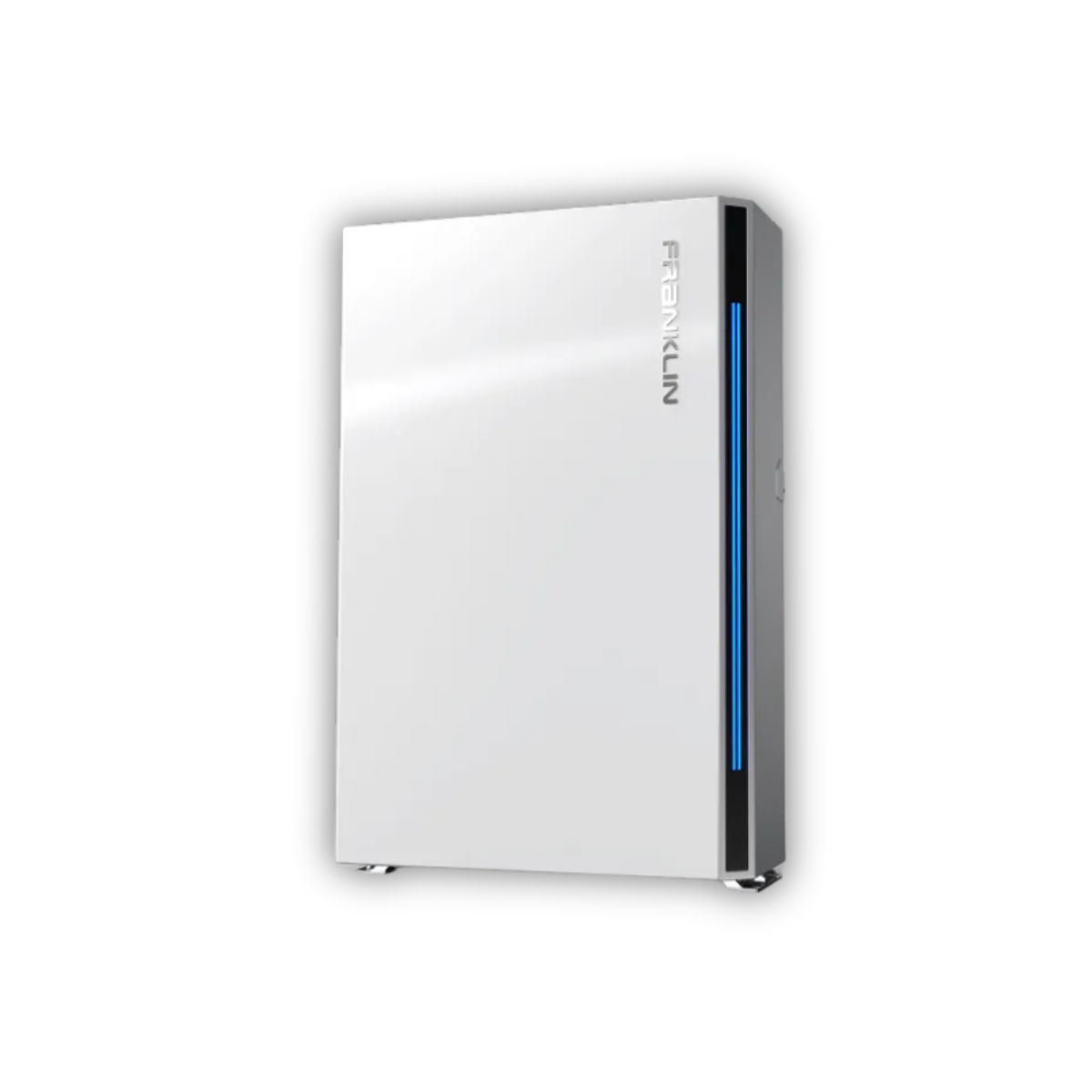
The FranklinWH aPower covers more ground than the Home 8 on three key specs: 15 kWh per unit, 10 kW continuous output, and a 15-year warranty backed by LFP cells with a higher cycle life ceiling. Buyers who plan to hold their system for more than a decade and want the warranty to match will find the aPower a stronger long-term investment.
Learn more: FranklinWH battery overview
Enphase IQ Battery 5P
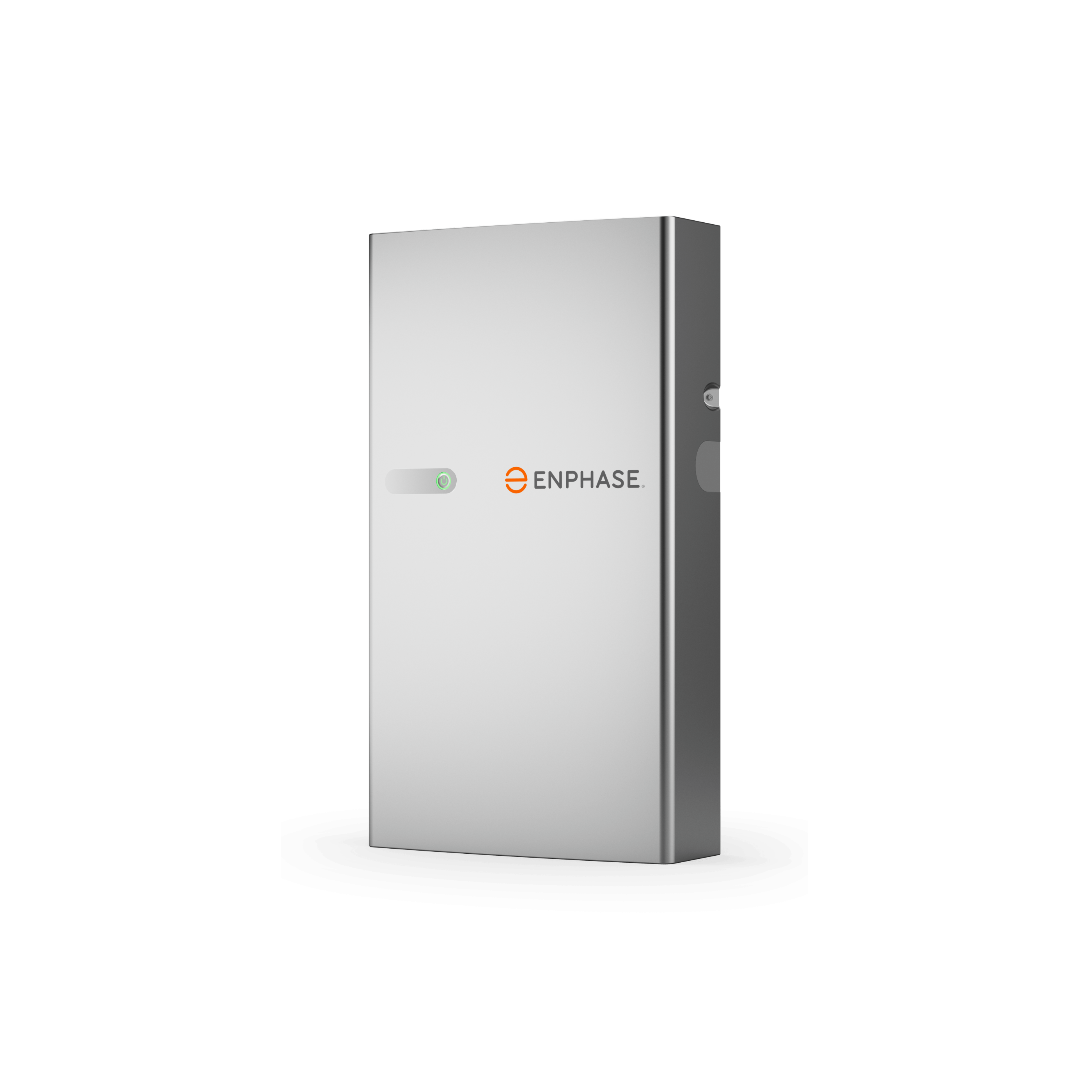
The Enphase IQ Battery 5P is better suited to buyers who want to start small and expand incrementally. Each 5 kWh module adds storage without replacing any existing hardware, and AC coupling keeps it compatible with non-Enphase solar systems. Reaching the Home 8's 14.4 kWh single-unit capacity requires three IQ Battery 5P modules at higher combined cost and greater wall space.
Bluetti EP900
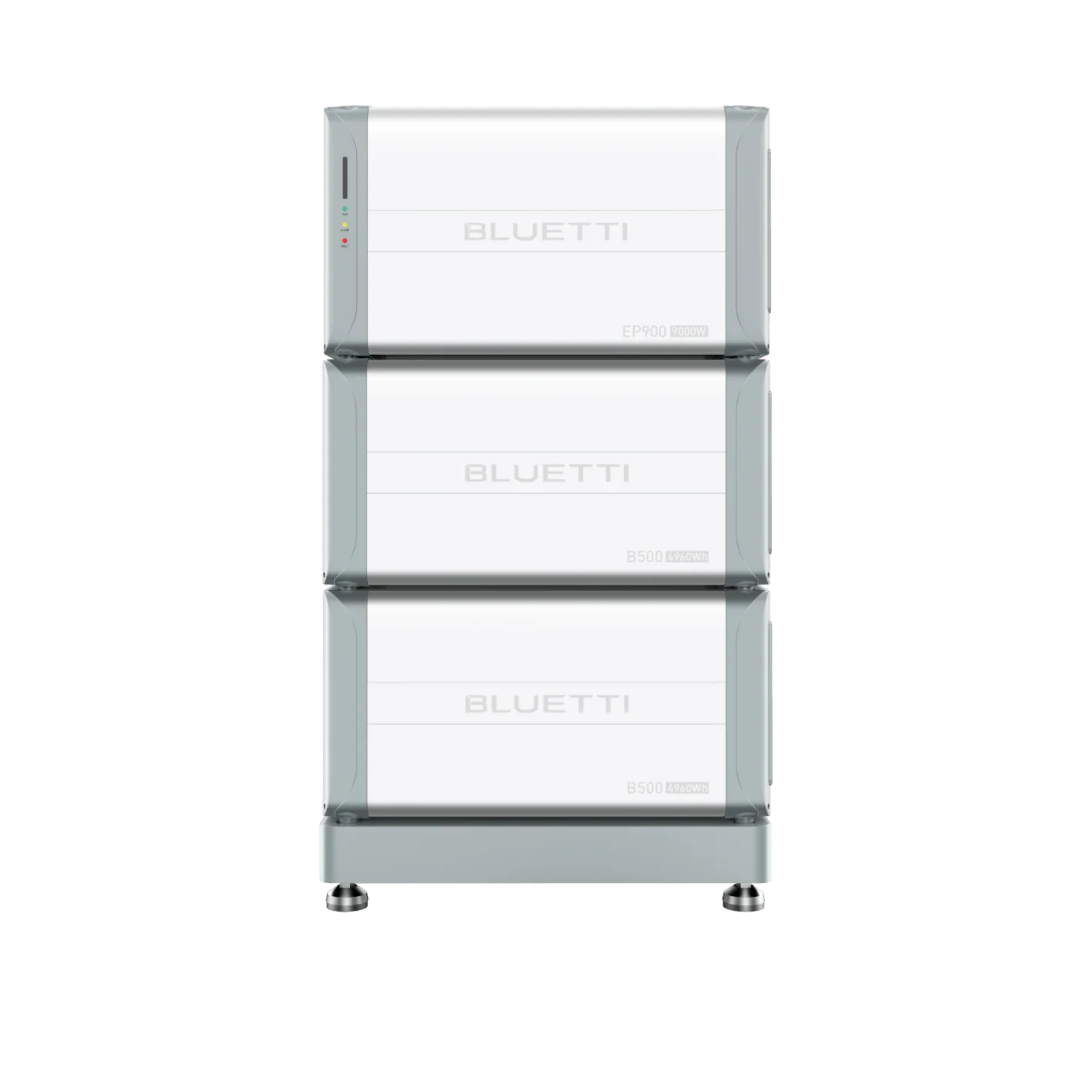
The Bluetti EP900 reaches 39.6 kWh at a lower price per kilowatt-hour than the Home 8, which benefits buyers whose primary goal is maximum storage volume at minimum cost. It lacks the Home 8's integrated ESS architecture and ThinQ monitoring platform. Buyers who want a managed, app-connected system rather than raw storage capacity will find the Home 8 the more complete product.
Learn more: Bluetti battery overview
Sonnen ecoLinx
The sonnen ecoLinx pairs cobalt-free LFP cells with a 15-year, 15,000-cycle warranty and deep integration with home automation platforms including Amazon Alexa and Google Home. Its warranty coverage and cycle life both outlast the Home 8 by a significant margin. Buyers who want device-level energy automation beyond what ThinQ provides, and who plan to keep their system for 15 or more years, will find the ecoLinx the more durable choice.
Learn more: Sonnen ecoLinx overview
Note that SunPower's SunVault storage system is no longer available following the company's acquisition by Complete Solaria, which repositioned SunPower as an installation company offering Enphase Energy systems.
Is LG Home 8 a good choice for your home?
The LG Home 8 fits homeowners who want a single-vendor integrated ESS rather than a component assembly sourced from multiple manufacturers. Its 14.4 kWh per unit and four-unit scalability make it practical for medium-to-large single-family homes that need substantial backup coverage without the inverter-sourcing complexity of the RESU architecture.
Households already running LG smart appliances gain additional value from ThinQ's device-level energy coordination that buyers outside the LG product ecosystem will not access.
The Home 8 is a weaker fit for households with high simultaneous power demand. Its 7.5 kW continuous output per unit falls below the Tesla Powerwall 3 at 11.5 kW and the FranklinWH aPower at 10 kW.
Homes that run central air conditioning compressors, heat pump water heaters, and EV chargers at the same time will reach the Home 8's output ceiling at lower unit counts than with either competitor. Stacking additional Home 8 units extends capacity but increases system cost proportionally.
Budget-oriented buyers and homeowners comfortable managing a multi-vendor installation may still find that RESU-style modular battery configurations produce lower total costs in some configurations, particularly where an existing SolarEdge or SMA hybrid inverter is already in place and compatible with RESU modules.
Bottom line on LG Home 8
The Home 8 competes on per-unit storage capacity, retrofit flexibility through AC coupling, and LG ecosystem integration through ThinQ. Overall it’s a capable integrated ESS with strong retrofit flexibility, but as a newer product it lacks the field performance record of the Tesla Powerwall 3 and Enphase IQ Battery series.