
When researching the best roofs for solar panels, most experts agree that a metal roof is their top choice. Metal roofs are lightweight and durable, and unlike the short lifespan of materials like asphalt or wood, metal roofing can last at least 40 years.
PowerOutage.us tracks 950+ utilities serving 200+ million customers, and we use verified outage data to inform solar panel and metal roof resilience planning. During Hurricane Helene, for example, 4.79 million customers lost power, and we translate those multi-day outage patterns into practical solar sizing and backup design guidance. In this guide, we’ll explain everything you need to know about installing solar panels on a metal roof.
Installing solar panels on a metal roof the right way
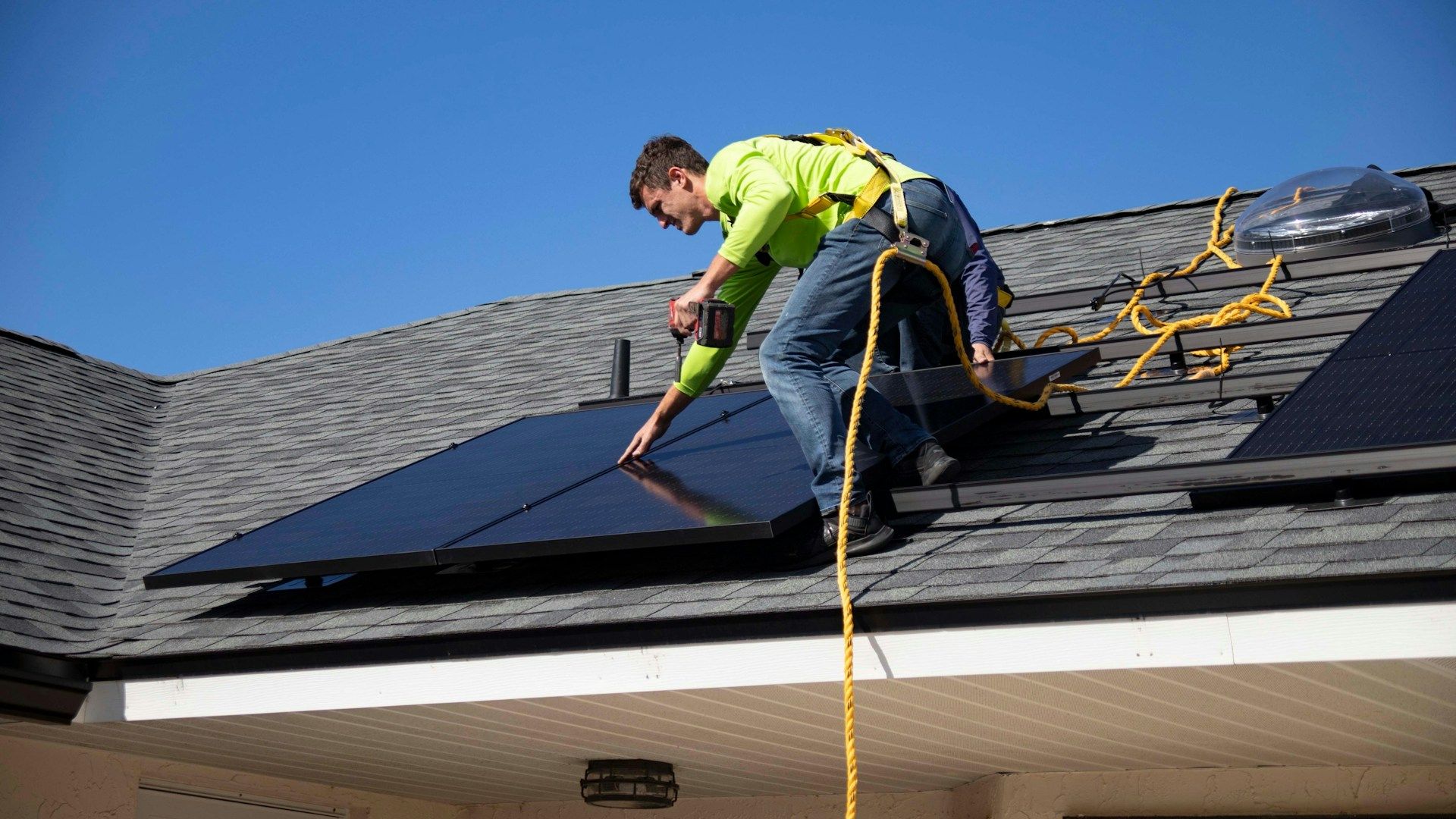
In most cases, installers must drill holes in your roof to install your solar panel system. If mounted improperly, this can cause water leaks, which can lead to more serious roof damage over time.
Different types of metal roofing require specific installation methods to avoid damage.
- Standing-seam metal roofs: These are the best for solar panel installation because they allow for clamp-on mounting systems that attach directly to the raised seams. This method requires no drilling or roof penetrations, which completely removes the risk of leaks and simplifies any future removal of the solar panels.
- Corrugated metal roofs: Installing solar panels on this roof type typically requires drilling through the metal to affix brackets to the roof structure. To prevent water leaks, your solar installer must use specialized mounting blocks with high-quality rubber gaskets and sealants at every penetration point.
- Ribbed metal roofs (R-Panel/PBR-Panel): Similar to corrugated roofs, these installations usually involve drilling. Solar technicians affix specialized brackets designed to fit the specific rib profile, using robust flashing and sealants to completely waterproof each attachment point.
The table below outlines key factors to consider when installing solar panels on a metal roof. Beside each key term, there’s a short explanation of why it matters and what to watch for when installing solar panels.
| Key factor | Why it matters | What to watch for |
|---|---|---|
| Mounting compatibility | Metal roofs often support clamp-on systems | Standing seam is best; corrugated may need drilling |
| Roof lifespan | Metal roofs last longer than solar systems | Ideal pairing; reduces future panel removal |
| Install difficulty | Labor varies by roof type | May cost more on corrugated or shingle-style metal |
| Roof type | Affects attachment options | Identify if it's a standing seam, corrugated, or ribbed metal roof |
| Weight support | Metal roofs are generally strong | Still confirm structural load with installer |
| Leak risk | Mounting must maintain waterproofing | Clamp-on reduces leak potential |
| Appearance | Panels may stand out more on metal | Discuss layout if aesthetics matter |
| Installer experience | Metal requires different techniques | Ask if they’ve done your roof type before |
| Flashing/sealant use | Needed where penetrations occur | Use quality materials to avoid leaks |
| Warranty concerns | Mounting may affect roof warranty | Check with roof manufacturer before install |
Mounting hardware options
No matter what kind of metal roof you have, having the right hardware for installing solar panels makes all the difference.
For standing-seam metal roofs, non-penetrating clamps are the superior hardware choice. These clamps grip the seam without drilling, preserving the roof's water barrier. For corrugated or ribbed metal roofs, installers use specialized brackets with gaskets that affix to the roof deck and create a watertight seal around the fastener.
Also, it’s important to use hardware compatible with your roofing material. For example, when mounting solar panels on a metal roof, galvanized or stainless steel hardware helps prevent galvanic corrosion, a chemical reaction that can occur when dissimilar metals are in contact, protecting the integrity of your roof.
Consider wind load and expansion
Your solar installer must account for the distinct physical properties of metal when engineering a solar panel installation.
- Thermal Movement: Metal roofs expand in the heat and contract in the cold. The mounting system for your solar panels must include hardware that allows for this movement. This prevents stress from building up, which could otherwise damage the mounting fasteners, the panels, or the roof itself.
- Wind Load: If your property is in a high-wind area, the mounting system for the solar panels must be engineered with sufficient anchor points to withstand wind uplift forces. A secure attachment to the roof's structural members is critical to keep the array from detaching during severe weather.
- Waterproofing: Any flashing used for roof penetrations must remain completely watertight as the roof expands and contracts. The flashing and sealants must be designed to flex with temperature changes, ensuring a durable, long-lasting seal.
Match system weight and structure
Metal roofs are strong and resilient and can support the weight of a solar panel system, but there are other factors to consider when planning your array.
If you live in an area with heavy snow or wind, you need to confirm the structural load limits for the material your roof is made of. In some cases, you may need to reinforce your roof or consider downsizing your projected solar panel system.
If you have an aging roof or if you haven’t kept up with its maintenance, you should contact a roofer to learn how you can make sure your roof will withstand the weight of the hardware and panel array. You may need to do some repairs before installation.
Bottom line: Using solar panels on a metal roof
Metal roofs are more durable and have longer lifespans than roofs made of other materials, making them an excellent choice for mounting a solar panel system. Strength alone won’t cut it, however, so you can make your roof and panel system last longer and avoid needless damage by using the proper brackets.
When installing, ensure airtight seals to prevent water from entering the roof. Keep in mind that metal roofs expand when heated, so the brackets you use must be able to respond to your roof’s changes in structure.
Going solar isn’t for everyone, so make sure you consider all factors before deciding.