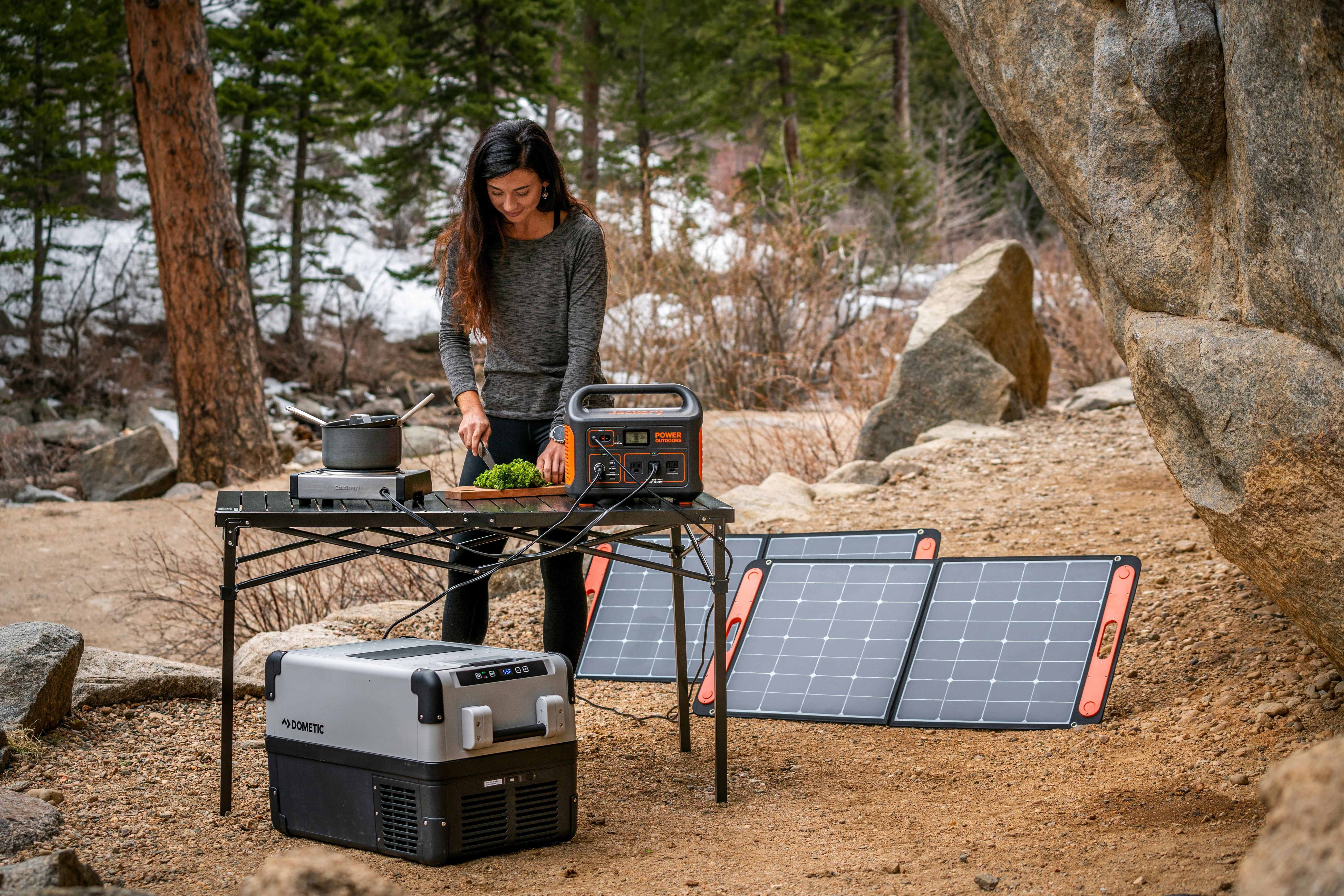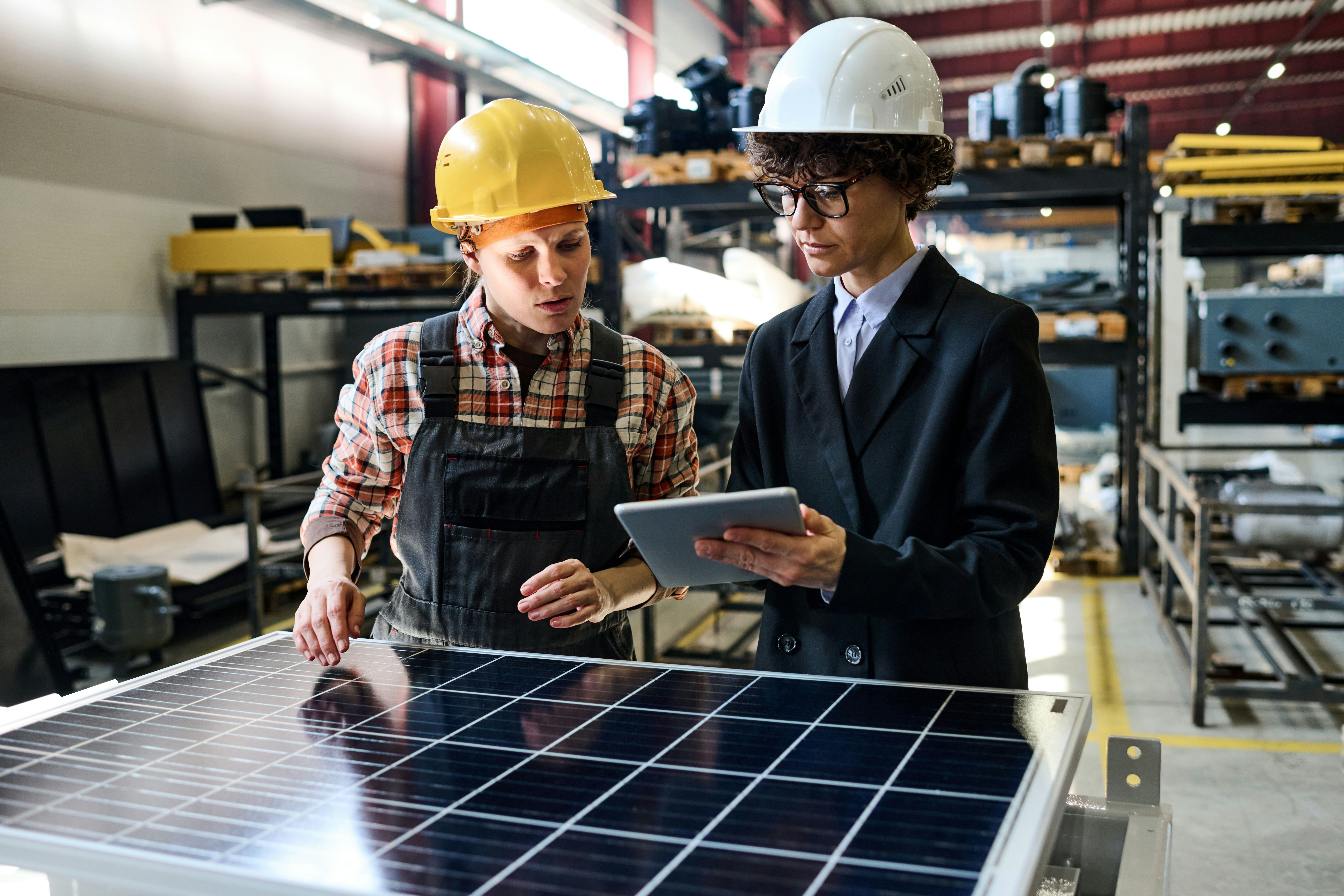

Your solar panels are tested to produce a certain wattage at full sun, but real life doesn’t always cooperate. Your panels can produce reduced power from indirect and diffused light, though. To make the best of your environment, trim branches and have a solar company optimize the placement of the panels. We’ll show you how solar panels work with and without direct sunlight below.
PowerOutage.us tracks 950+ utilities serving 200+ million customers, delivering national visibility into grid performance and outage risk. Our free public outage map refreshes every 10 minutes during live events, providing trusted timing and duration data cited by major news outlets.
Solar panels need direct sunlight for best performance
Solar panels deliver the best energy output when they receive uninterrupted direct sunlight, typically requiring four to six hours of peak sun exposure during midday. Photovoltaic cells operate most efficiently when solar radiation strikes them at a perpendicular angle. The light excites electrons in the silicon cells, which create an electrical current.
Your panels will generate electricity closest to their rated capacity when these “direct sun” conditions line up:
- Positioned at a 30- to 45-degree angle
- Facing south (if you’re in the Northern Hemisphere)
- Free from any shading obstacles that block direct sunlight
- Properly oriented to match your location’s latitude and sun path
Panels are less efficient with indirect sunlight
Thinking about solar panels and direct sunlight, this is the key tradeoff: panels can work in indirect sunlight, but they don’t produce the same output as they do in full sun. Modern solar panels can generate electricity from both direct and scattered light, yet performance drops when clouds, haze, smoke, or shade reduce the intensity of sunlight reaching the cells. During overcast weather, output can fall to 23% to 67% of rated capacity. of rated capacity depending on cloud thickness and system design.
Panel type matters in low-light conditions. Monocrystalline panels generally perform better than polycrystalline in diffuse light because they’re more efficient overall (monocrystalline efficiency ranges from 15% to about 22% while polycrystalline ranges from 13% to 16%).
If you know your solar panels will have less-than-ideal light, it’s important to make them as efficient as possible. You can:
- Use high-quality MPPT inverters
- Use smart modules with integrated power optimizers for real-time management
- Orient and tilt the panels in the proper directions
- Regularly maintain panels for the best light absorption
Be aware that the best equipment costs more than an entry-level installation.
Another way to overcome having less light in an overcast climate is to oversize your solar panel system and get battery storage. Then, you can use energy from the battery when your panels generate less. You’d also have security for power outages with a battery.
Why can’t solar panels be 100% efficient?
Even the best commercial silicon solar panels on the market only reach efficiencies of around 23%. This means 23% of the energy from the sun is converted into electricity. Why?
Silicon solar panels can’t be 100% efficient because of inherent material limitations, thermodynamic losses, and light wavelength spectrum limitations. Not all photons have enough energy to excite electrons in the silicon, and excess energy dissipates as heat. Other losses from resistance and charge recombination further limit efficiency.
Do solar panels work under trees in the shade?
Solar panels do work under the shade, though output depends on many things. Dense tree canopies can reduce energy production quite a bit. Deciduous trees drop their leaves in the winter and allow more light at that time while evergreens make constant shade. The angle of shade, time of day, and seasonal sun position all affect power generation capacity.
Modern solar technology has ways to continue generating power efficiently in the shade. Whether you want to use microinverters or modern string inverters, as long as you have modern panels you shouldn’t notice a huge difference if one panel is shaded while the others have full sun. Older solar panels don’t perform as well with partial shade when set up with a string inverter, but new technology has fixed this solar panel issue.
Vents, chimneys, and neighboring buildings also make partial shade on solar panels during the day. If you know you’re dealing with obstacles, look into shading tests by different manufacturers or consult a local solar installer that works with many brands.
Do you need to remove tree limbs to install solar?
It can be a good idea to remove some tree limbs if they cast large shadows on your roof. However, you should weigh the pros and cons of removing entire trees if that’s what an installer recommends. If you enjoy having old-growth trees in your yard, perhaps solar isn't right for you.
- Do a site survey: Walk around your property at different times of day and in different seasons to see whether shade blocks direct sunlight where panels would go. If large portions of the roof are shaded during peak sunlight hours (often 9 a.m. to 3 p.m.), direct-sun production may be limited.
- Use shading analysis tools: A solar pathfinder or shade analysis app can quantify how much direct sunlight and diffuse light your site receives across the year, helping identify which limbs cause the biggest losses.
- Consider the length and timing of shade: Short periods of shade may be manageable, especially outside peak production hours. Persistent midday shade usually matters more.
- Think about the season: The sun’s path changes across the year, so a limb that barely shades the roof in summer can block direct sunlight in winter (or vice versa).
- Consult multiple installers: Ask for a production estimate that compares expected output with and without trimming, so you can decide based on numbers rather than guesses.
- Review local regulations: Local ordinances or HOA rules can restrict tree removal. Trimming may be allowed even when full removal is not.
Bottom line: Solar can be worth it with less direct sunlight
So, do solar panels need direct sunlight? They need it for their best performance, but they can still be worth installing with limited direct sun. Solar panels can produce electricity in cloudy weather and partial shade, and many homeowners still save money when the system is sized correctly and paired with the right inverters.
If direct sunlight is limited, focus on what you can control: place panels where they receive the most annual sun, trim shading where practical, and choose equipment that reduces shade-related losses. And remember: savings depend on both production and your utility rates. Even if you don’t get perfect direct sunlight, high electricity prices can still make solar pay off.