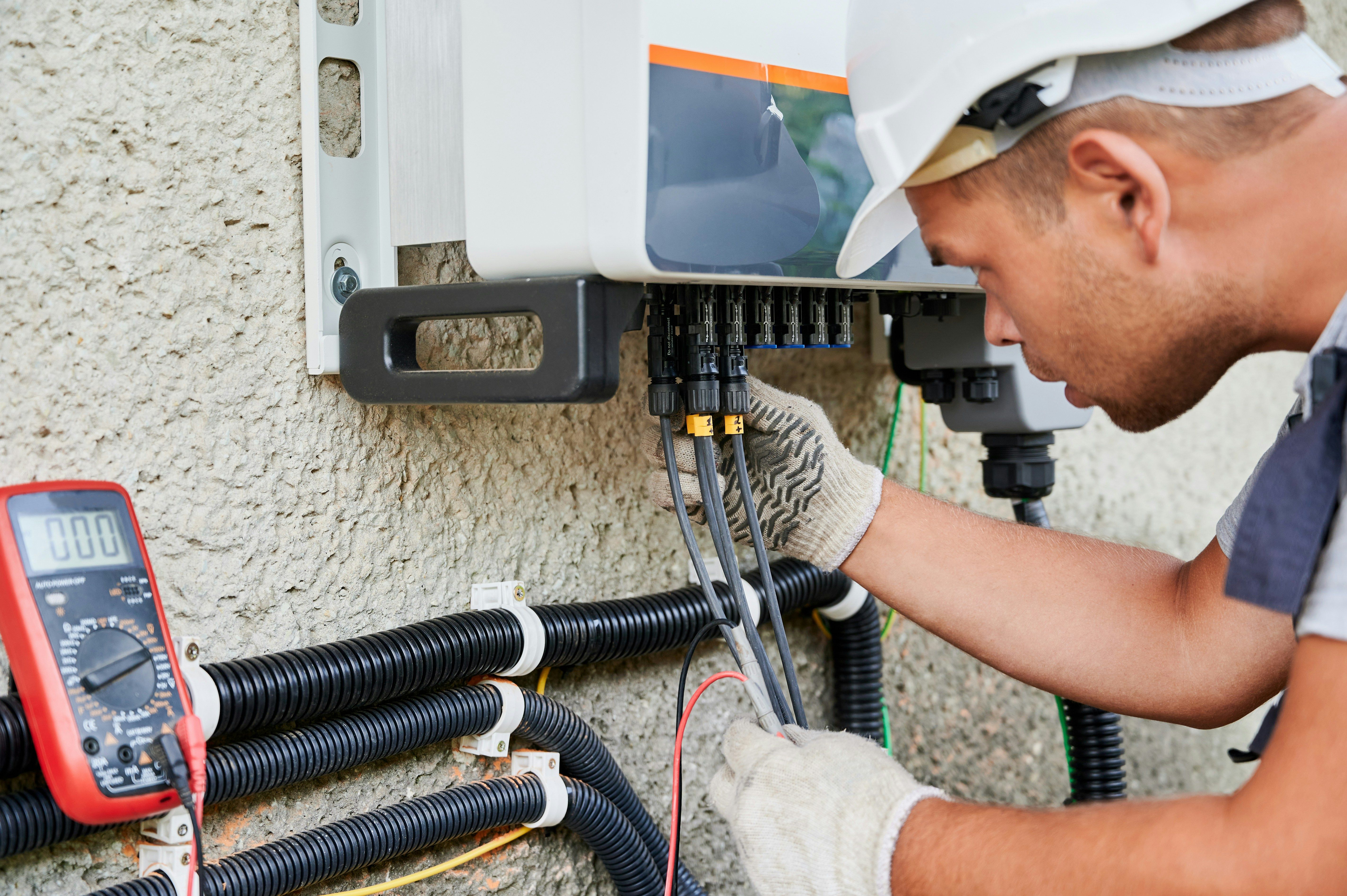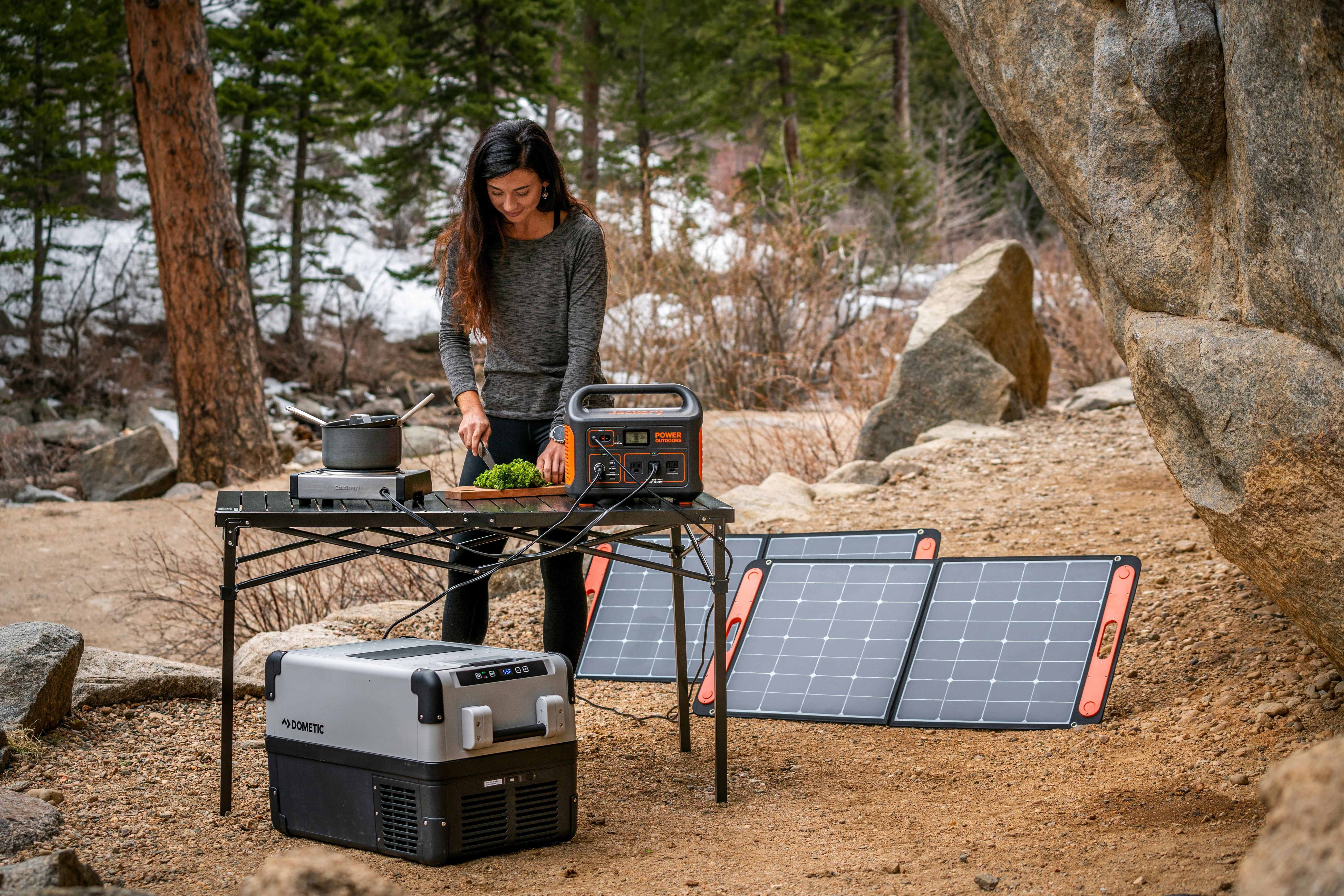


Gas-powered and rechargeable battery generators have long been go-to options for home backup power and on-location electricity. However, advances in solar technology have made solar-powered portable generators a genuinely compelling, emissions-free alternative for a wide range of users — from full-time off-gridders to occasional campers.
In this guide, we compare five of the best solar portable generators on the market today. You'll find a head-to-head specs comparison, in-depth reviews of each model, and a practical buying guide to help you match a generator to your specific needs and budget.
PowerOutage.us tracks outages across states, counties, and individual utilities (covering roughly 96% of the U.S. from direct utility connections) which gives us a uniquely data-grounded perspective when evaluating backup power solutions. When Hurricane Helene knocked out power to 4.79 million customers across the Southeast in September 2024, for example, we were monitoring every utility in real time. That kind of firsthand event data shapes how we assess which solar generators are actually worth your money.
Compare the best solar portable generators
We ranked the best portable solar generators based on our in-house methodology. The table below provides a direct comparison of key solar generator features, notable pros and cons, and ideal uses for our top five solar portable generator models.
| Model | Battery storage (Wh) | AC output | Solar input (W) | Weight | Best for |
|---|---|---|---|---|---|
| EcoFlow DELTA Pro 3 | 4,096 | 4,000 W (120/240 V) | Up to 2,600 W | 113.5 lbs | Multi-battery whole-home backup, off-grid setups |
| Goal Zero Yeti PRO 4000 | 3,994 | 3,600 W (7,200 W surge) | Up to 2,400 W | 115.7 lbs | Disaster preparedness, outdoor work sites |
| Anker SOLIX F3800 | 3,840 | 6,000 W (120/240 V) | Up to 2,400 W | 132 lbs | RVs, 240 V appliances, residential use |
| Bluetti AC200L | 2,048 | 2,400 W | Up to 1,200 W | 62 lbs | Camping, RV trips, recreational use |
| Jackery Explorer 2000 Plus | 2,042 | 3,000 W | Up to 1,400 W | 61 lbs | Affordable modular systems, CPAP backup |
Top 5 solar portable generators
Now let’s cover our top five picks in detail.
1. EcoFlow DELTA Pro 3
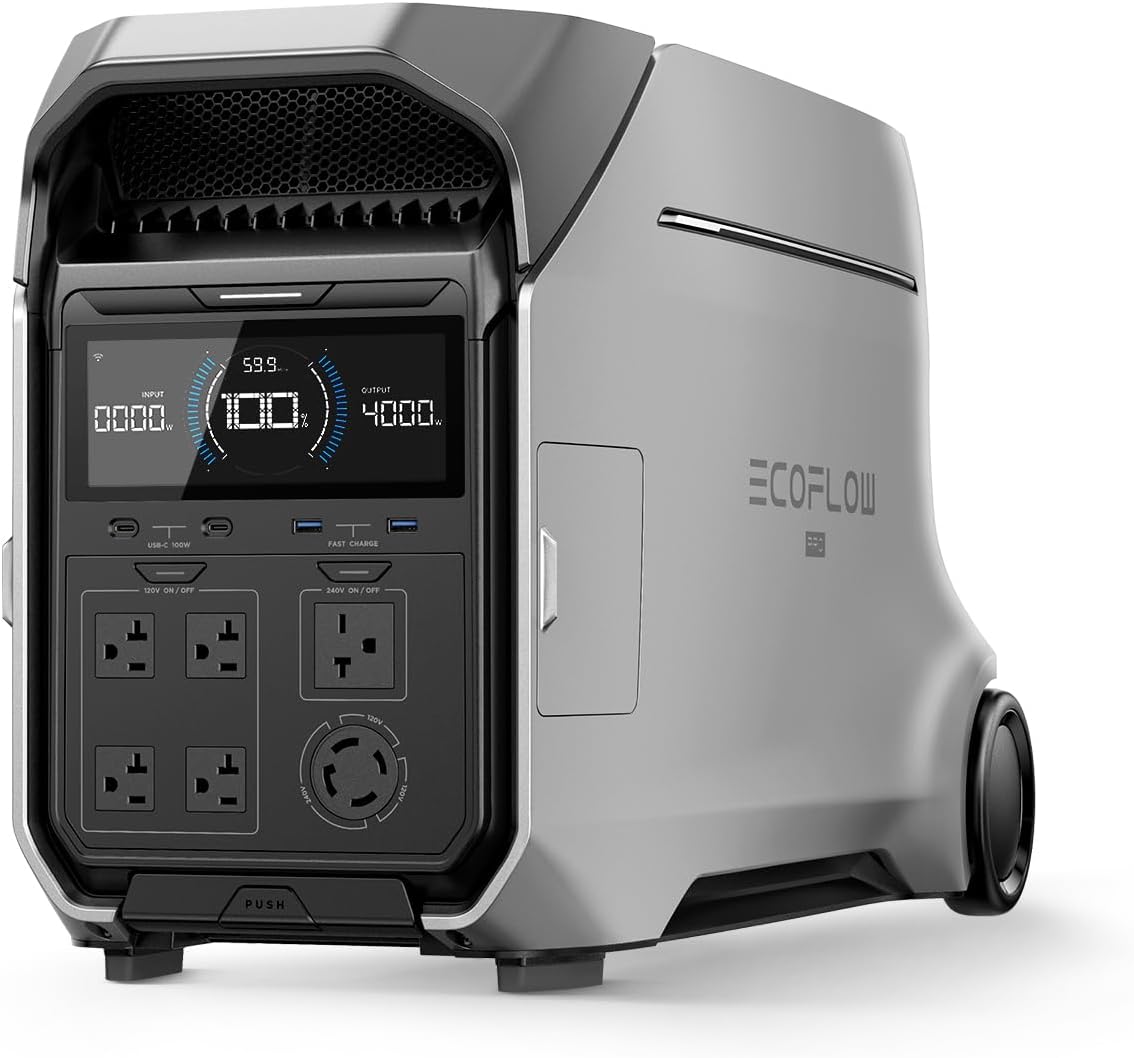
The brand's flagship solar portable generator, built for users who need serious, sustained backup power.
Its 4,096 Wh LFP battery, dual MPPT inputs, and 4,000 W pure sine wave inverter make it the most capable all-around unit on this list.
- Battery: 4,096 Wh LFP (LiFePO₄), long cycle life
- Output: 4,000 W continuous, pure sine wave, 120/240 V
- Solar input: Up to 2,600 W via dual MPPT
- Pros: Smarthome panel integration, mobile app controls, expandable with extra batteries
- Cons: 113.5 lbs; premium price point
- Best for: Whole-home backup paired with EcoFlow Smart Home Panel and additional battery units
2. Goal Zero Yeti PRO 4000
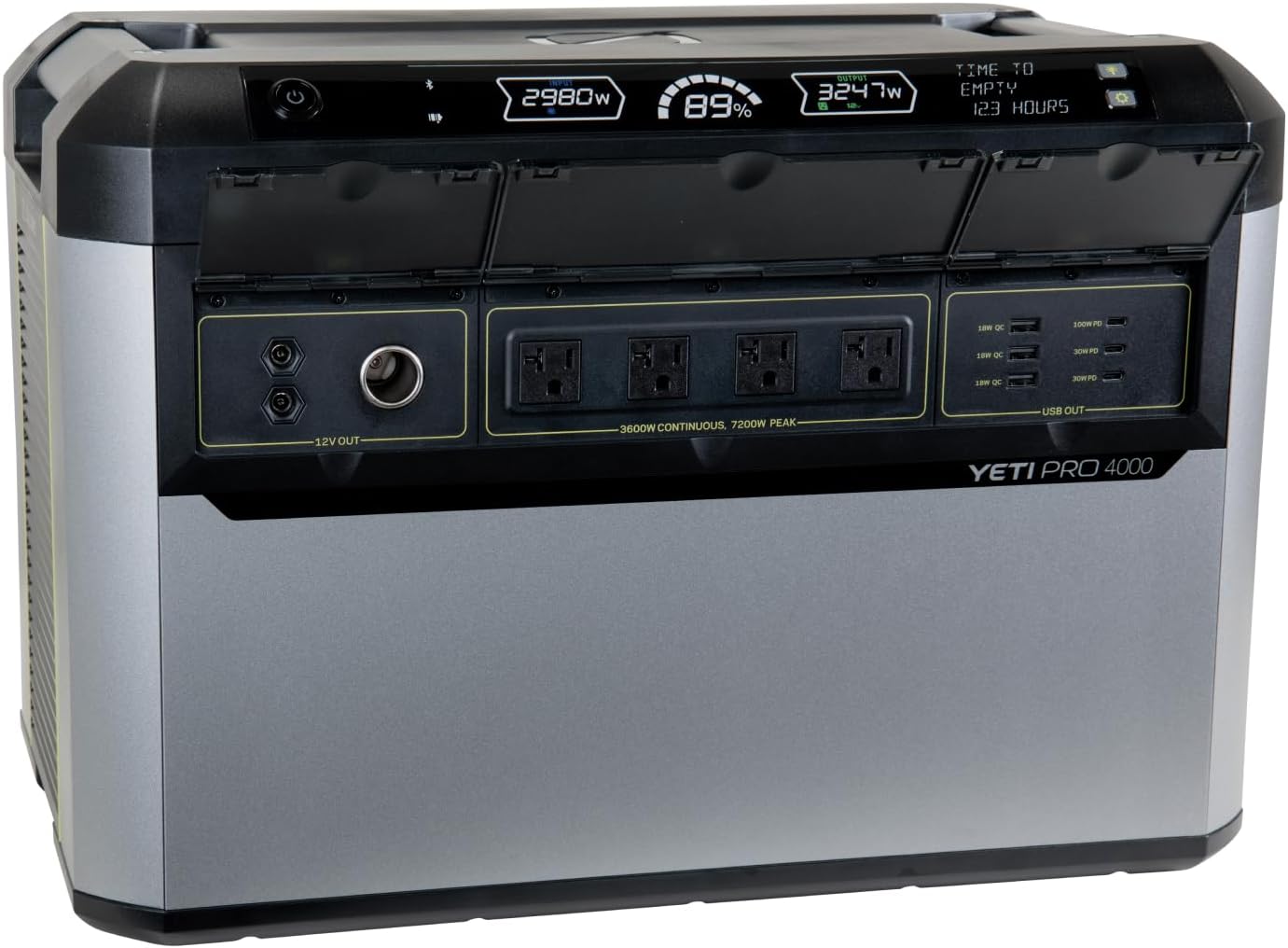
The Yeti PRO 4000 is engineered for reliability under pressure, like disaster scenarios, remote work sites, and extended off-grid use. Its 3,000 W high-voltage solar input gives it one of the fastest recharge rates in this class.
This type of recharge rate could be valuable during a situation like Hurricane Milton, under which 3.4 million Florida customers experienced cycling grid failures with only brief power restoration windows.
- Battery: 3,994 Wh
- Output: 3,600 W continuous, 7,200 W surge
- Solar input: Up to 3,000 W (with Yeti PRO high-voltage panels)
- Pros: Rugged build, advanced safety protections, Tank PRO battery expansion, five-year warranty
- Cons: Proprietary connectors limit third-party panel flexibility
- Best for: Disaster preparedness, emergency backup, and demanding outdoor work sites
3. Anker SOLIX F3800
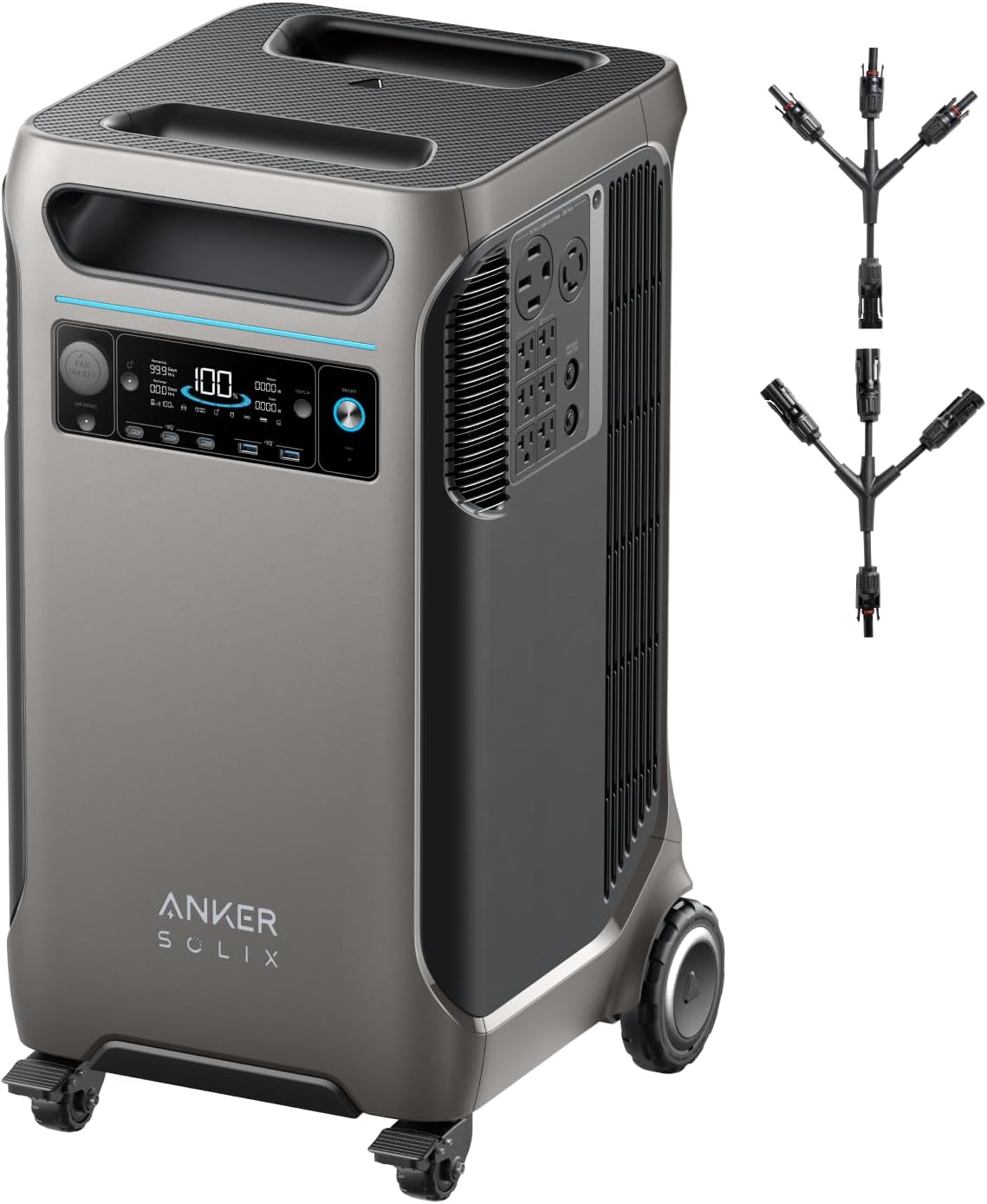
The SOLIX F3800 leads this list in raw inverter power, with a 6,000 W pure sine wave inverter and native 120/240-volt output.
Its NEMA 14-50 port and split-phase support make it the strongest option here for running large residential appliances. At 132 lbs it's the heaviest unit on our list, so it's best suited to installations where it stays in one place.
- Battery: 3,840 Wh lithium-ion
- Output: 6,000 W continuous, pure sine wave, 120/240 V
- Solar input: Up to 2,400 W
- Pros: Highest AC output on our list, NEMA 14-50 compatible, scalable with extra battery packs
- Cons: 132 lbs; less practical for frequent transport
- Best for: RV power, 240-volt appliances, and home backup with split-phase loads
4. Bluetti AC200L
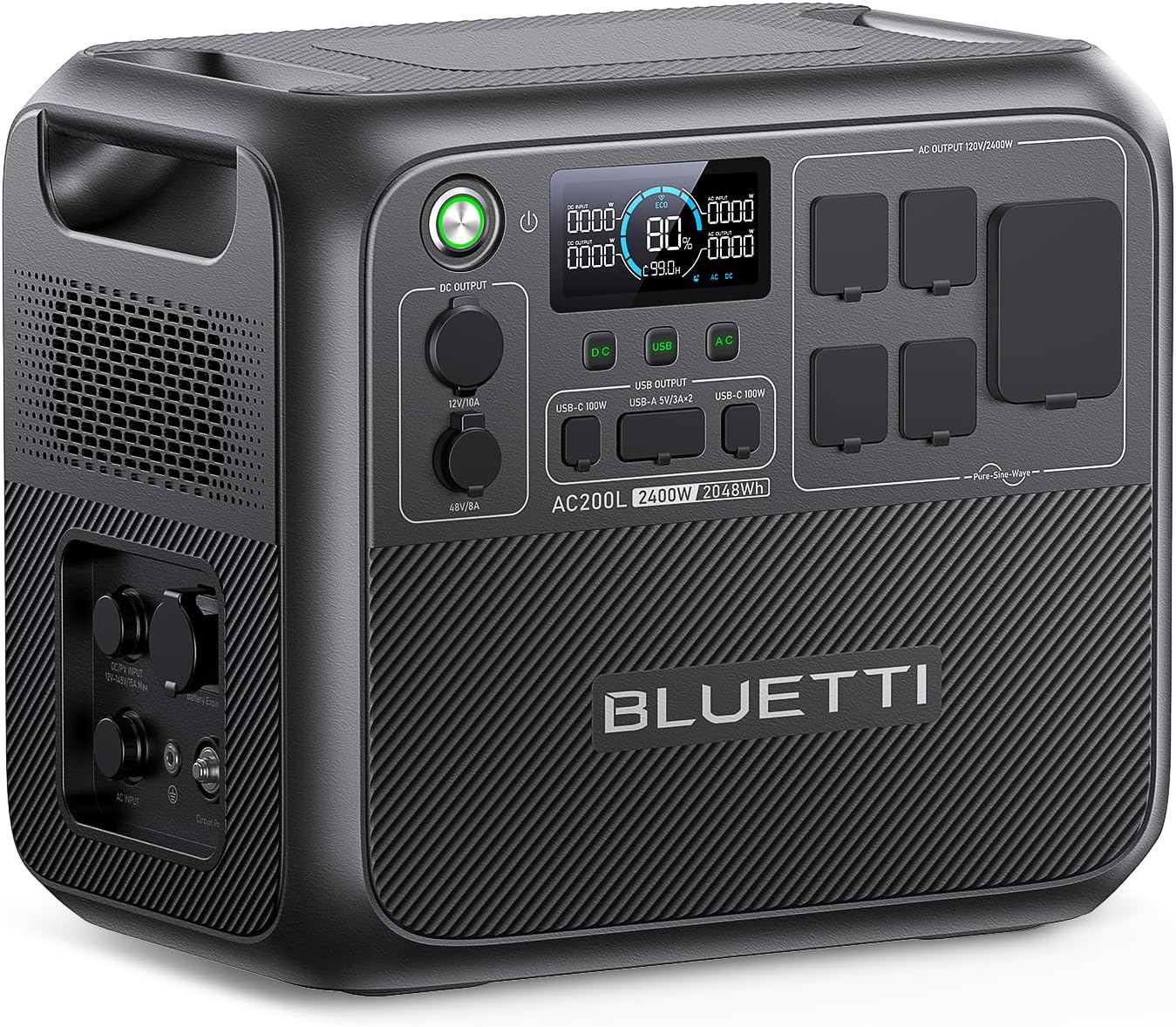
The Bluetti AC200L is the most portable unit in the upper half of our list, weighing in at 62 lbs while still offering 2,048 Wh of storage and a 2,400 W inverter.
Its MPPT controller handles up to 1,200 W of solar input, keeping recharge times reasonable for a mid-size unit. For campers, RV users, and anyone who needs capable power they can actually move around, the AC200L is the practical choice.
- Battery: 2,048 Wh lithium-ion
- Output: 2,400 W continuous, pure sine wave
- Solar input: Up to 1,200 W via MPPT
- Pros: 62 lbs — genuinely portable for its capacity class; supports multiple simultaneous device charging
- Cons: Smaller storage than flagship models; not suited for multi-day whole-home backup
- Best for: Camping, RV trips, and mobile use where portability is a priority
5. Jackery Explorer 2000 Plus
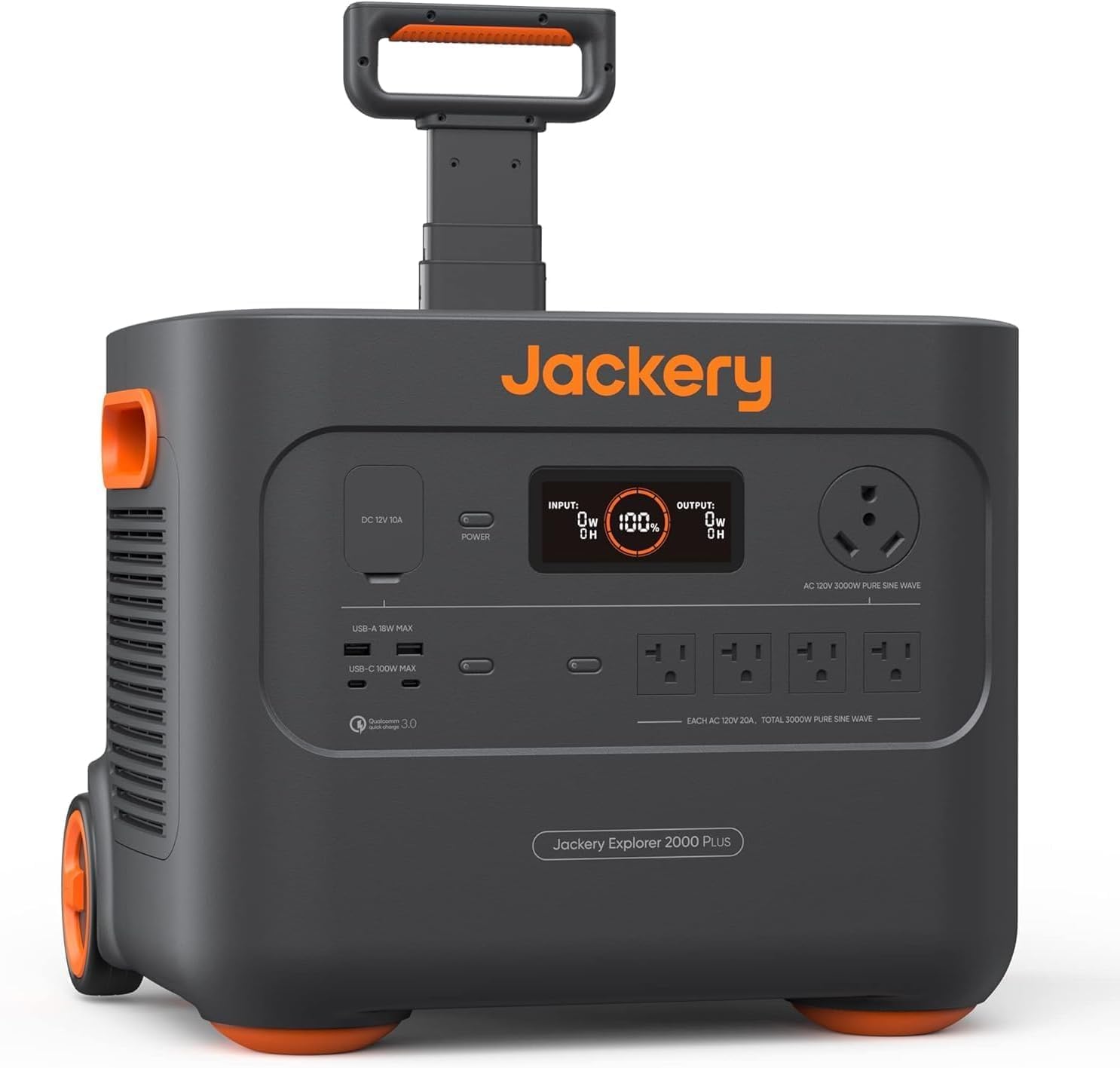
The Jackery Explorer 2000 Plus offers 2,042 Wh of LFP storage and a 3,000 W inverter in one of the lighter packages at this capacity level.
Its modular design lets you add battery packs over time, making it one of the most accessible entry points into a scalable solar power setup. Wide retail availability also makes it easy to find, purchase, and get support for.
- Battery: 2,042 Wh LFP
- Output: 3,000 W continuous, pure sine wave
- Solar input: Up to 1,400 W with multiple panels
- Pros: Modular expansion, widely available in retail stores, reliable LFP chemistry
- Cons: Slower recharge rates without multiple solar panels connected
- Best for: Affordable modular systems, CPAP machine backup, and small off-grid cabins
How we chose the best solar portable generators
To determine the best portable solar generators, we created a methodology for standardized comparisons of key factors that influence real-world performance. Our evaluation criteria included:
- Battery storage capacity and cycle life
- Inverter output
- Maximum charging input with MPPT controllers
- 240-volt capability
- Expandability
- Portability
- Build quality
- Warranty coverage
By weighting these factors, we selected five models that represent the strongest options for off-grid living, emergency backup power, and recreational use.
Real-world outage scenarios: what the data shows
PowerOutage.us has tracked every major U.S. outage event since 2016, and that continuous monitoring informs how we think about solar generator capacity requirements. The following examples from our event database illustrate why sizing your solar generator correctly matters so much.
Winter Storm Fern
During Winter Storm Fern (January 2026), over one million customers lost power at the storm’s peak, with Tennessee bearing the brunt at 306,700 customers. Many were in the Nashville metro. The hardest-hit households went six or more days without electricity as ice snapped trees and overwhelmed repair crews. The storm's 2,000-mile area stretched from New Mexico to New England, underscoring that winter outages can be a nationwide concern.
Hurricane Helene
Hurricane Helene (September 2024) remains the largest event PowerOutage.us tracked in 2024, with 4.79 million customers affected. Western North Carolina's mountain communities faced outages exceeding 14 days. This was a scenario where a mid-size 2,000 Wh station would have been exhausted within two days of moderate use, and only a high-capacity unit with solar recharging could sustain emergency household energy through the full duration.
Hurricane Milton
Hurricane Milton (October 2024) revealed a different challenge: cycling grid failures, with power coming on and off for brief windows of 30 minutes to two hours. That pattern put a premium on fast-charging solar generators that could top off batteries during those windows. For example, the advantages that units like the Goal Zero Yeti PRO 4000 and EcoFlow DELTA Pro 3 hold over slower-charging alternatives.
Overall, these events show households can make use of solar generators with enough capacity to last multiple days and enough solar input to keep recharging without relying on the grid.
Benefits of solar generators vs. gas generators
Solar portable generators have a number of distinct advantages for partial home backup and recreational use. Some notable benefits include:
- Clean, renewable energy source with zero emissions
- Free energy generation from solar power
- No need to store flammable, unstable fuel
- Fewer maintenance needs than combustible engine generators
- Safer to operate as an emergency backup energy source in homes
- Can also be charged from grid power through your home electrical system
- Silent operation for annoyance-free nighttime or indoor use
Note that while solar portable generators are safer to use in homes due to the absence of emissions and combustible fuel, it is still important to follow basic generator safety precautions. Refer to your solar generator's user manual for safe operating guidelines. Whole-home backup claims also assume load management, compatible transfer equipment, and in many cases multiple battery units.
Note that a solar generator doesn't technically generate electricity, it stores it. You charge it either by connecting solar panels or plugging into a wall outlet, then draw on that stored energy when you need it. Without a recharge source, a fully depleted unit simply won't power anything until it's recharged.
What to look for in a solar portable generator
Solar generators come with long lists of technical specifications, but some are more relevant for usability than others. Here are the key features worth focusing on.
Battery specifications
- Type: Lithium-ion batteries have become the industry standard over traditional lead-acid deep-cycle batteries, due to their superior capacity and faster charging. LFP (LiFePO₄) chemistry offers particularly strong cycle life and is used by several units on our list.
- Capacity: Typically measured in watt-hours or kilowatt-hours, capacity represents the maximum amount of energy a battery can hold in reserve.
- Cycle life: The total number of times a battery can be fully depleted and recharged before capacity degrades meaningfully.
Inverter type
Pure sine wave inverters are more efficient than modified sine wave alternatives and produce cleaner electrical current that's safe for sensitive electronics like laptops, CPAP machines, and medical devices. Most solar generators on our list feature pure sine wave inverters with dual AC/DC output, which means they can power virtually any type of device without additional hardware.
Solar input
The maximum wattage figure in a generator's specs represents the maximum electricity it can process from connected solar panels. Some generators feature a Maximum Power Point Tracking (MPPT) charge controller, which optimizes charging efficiency by finding the ideal operating current and voltage for current conditions. MPPT controllers meaningfully improve both capacity utilization and long-term battery health.
Interface and compatibility
Control panel complexity and available connection types vary widely. Some models offer standard wall outlets and little else; others include USB-C, USB-A, and Bluetooth connectivity for mobile app monitoring and control. Wireless capability is particularly convenient for generators used as home backup systems, since it allows you to check status and adjust settings without physically accessing the unit.
Portability
For generators used for camping, outdoor events, or other recreational activities, portability is a real differentiator. Beyond weight, consider wheel size and build quality. Larger, more durable wheels make a meaningful difference when rolling a heavy unit across uneven ground or loading it into a vehicle.
Expandability
Many solar generators support modular expansion by connecting additional battery packs, linking multiple units, or adding solar panel inputs. If your budget doesn't yet reach your ideal setup, buying a model that supports future expansion lets you upgrade over time without starting from scratch.
Buying guide: how to choose the best solar portable generator
There is no one-size-fits-all answer. The right generator will depend on your energy needs, intended use, and budget. Here's a step-by-step framework.
1. Determine your budget
Your budget is your primary constraint. Generally, higher capacity and more advanced technology mean a higher generator cost. Get a realistic sense of what you can comfortably spend, but keep in mind that buying slightly more capacity now is almost always cheaper than replacing an undersized unit later.
2. Figure out your power needs
Whether you're planning recreational use or home backup, you'll need to calculate how much power you actually need. List every device or appliance you want to run, note its wattage draw, and consider whether they'll run simultaneously. If your budget rules out a generator with enough total capacity, prioritize your most essential needs and size to those first.
3. Match your inverter specs
Ensure your chosen generator has a pure sine wave inverter with dual AC/DC capability. This combination lets you safely power sensitive electronics and run the widest possible range of devices. Modified sine wave inverters are significantly riskier for electronics and should generally be avoided.
4. Weigh size vs. portability
Consider whether you'll be moving your generator frequently to campsites or events, or whether it will mostly sit in one place as a home backup. For frequent transport, lighter units with quality wheels are worth prioritizing. For stationary home use, the added weight of higher-capacity models is far less of a factor.
5. Compare solar charging speeds
Input wattage determines how fast your generator recharges via solar panels. This matters more for recreational users and for homes in northern regions with limited winter daylight. Check manufacturer specs for estimated full-charge time at maximum solar input, and compare those figures across models before buying.
6. Consider future expansion
Modular solar generator systems let you grow your setup over time. If your ideal configuration is currently out of budget, buying a unit that supports battery expansion or additional panel connections allows you to upgrade as your situation changes, without starting from scratch.
Maintenance tips for solar generators
Solar portable generators don't require nearly as much regular maintenance as gas-powered units, but they do need some ongoing care. Key maintenance tasks include:
- Keeping solar panels clean and angled correctly for maximum sun exposure
- Storing lithium-ion batteries at moderate temperatures — extreme cold or heat degrades capacity
- Monitoring MPPT charge controllers periodically for efficiency anomalies
- Testing system functionality, output accuracy, and safety features on a regular schedule
Bottom line: which solar generator is for you?
Any of the five models on this list represents a strong choice, but the right one depends on your specific situation. The EcoFlow DELTA Pro 3 is the best overall option for serious home backup and extended off-grid use. The Goal Zero Yeti PRO 4000 is the pick for disaster preparedness and demanding outdoor work sites. The Anker SOLIX F3800 is ideal for RV owners and anyone needing 240-volt appliance support. The Bluetti AC200L hits the sweet spot for mid-size portability, and the Jackery Explorer 2000 Plus is the most accessible entry point into a modular solar setup on a tighter budget.
Carefully consider how you plan to use your generator, what you need it to power, and what your realistic budget allows. Then use the specs and comparisons in this guide to match those needs to the right model.