

Generators for your home can be a true lifeline during emergencies by providing power when the grid goes down. However, while modern generators are safe to use with proper procedure, they are not completely risk free. Using a generator improperly could result in damage to your health, your property or both.
This guide covers important safety practices and information to help you avoid injury or damage to your home. You’ll learn the risks generators pose, how to safely connect and operate them, and how to prepare your home and generator for the next time you need to use it.
Basic generator safety tips
Before getting into the details, we wanted to provide an overview of some best practices for running and storing a generator safely.
Generator safety dos and don’ts
To avoid injury and property damages caused by your generator, there are a few things you should make sure to do and some you should never do.
Dos
- Read all manufacturer instructions, warnings, and guidelines carefully before operating your generator
- Always check and adhere to all local, state, and national safety codes
- Regularly inspect your generator for worn out or broken parts and loose wiring
- Use outdoor-safe extension cords rated properly for your generator’s wattage
- Store fuel in a separate area at a safe distance from your generator in approved containers only
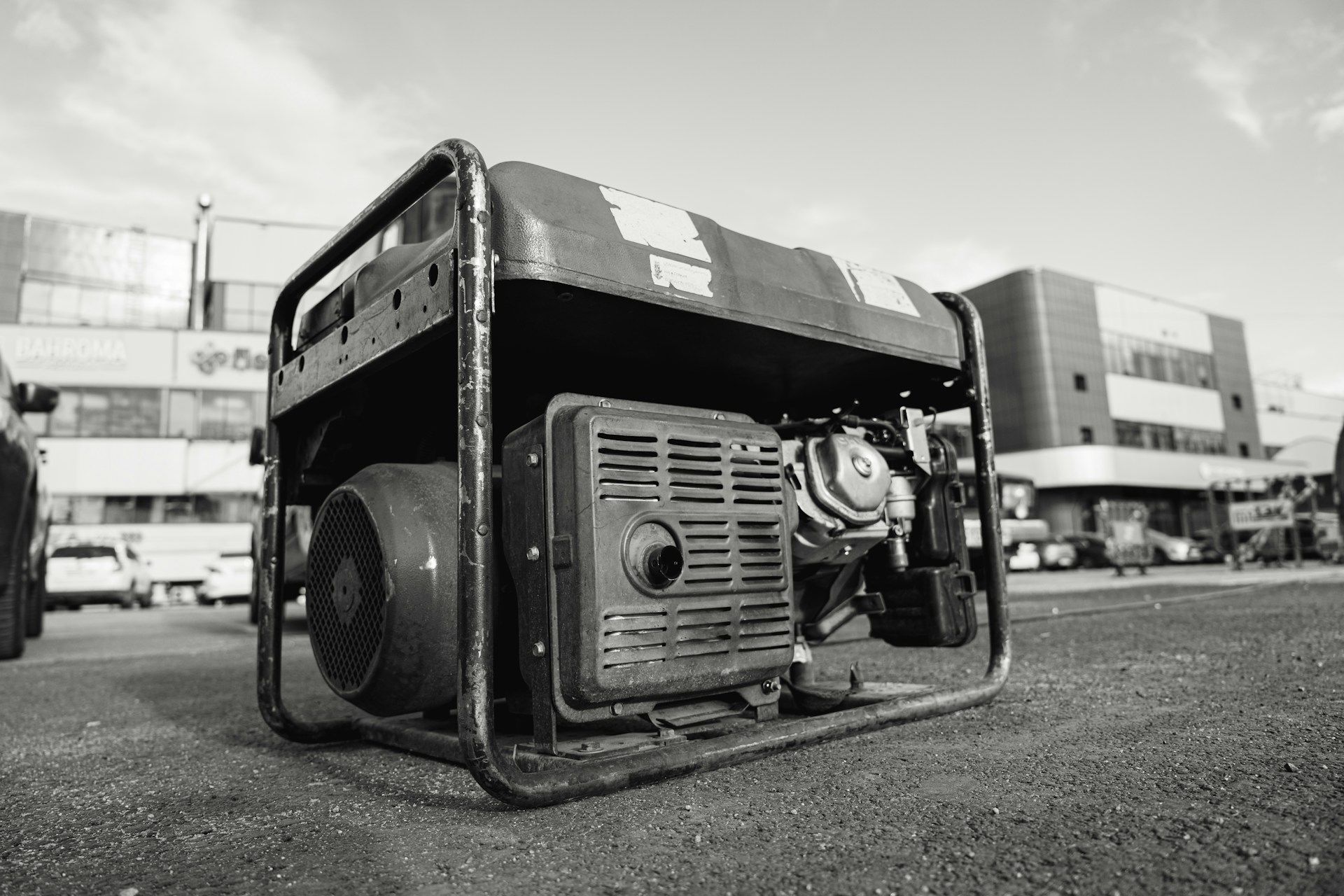
- Place a combustion-engine generator at least 20 feet from the exterior of your home while running and away from any windows and doors
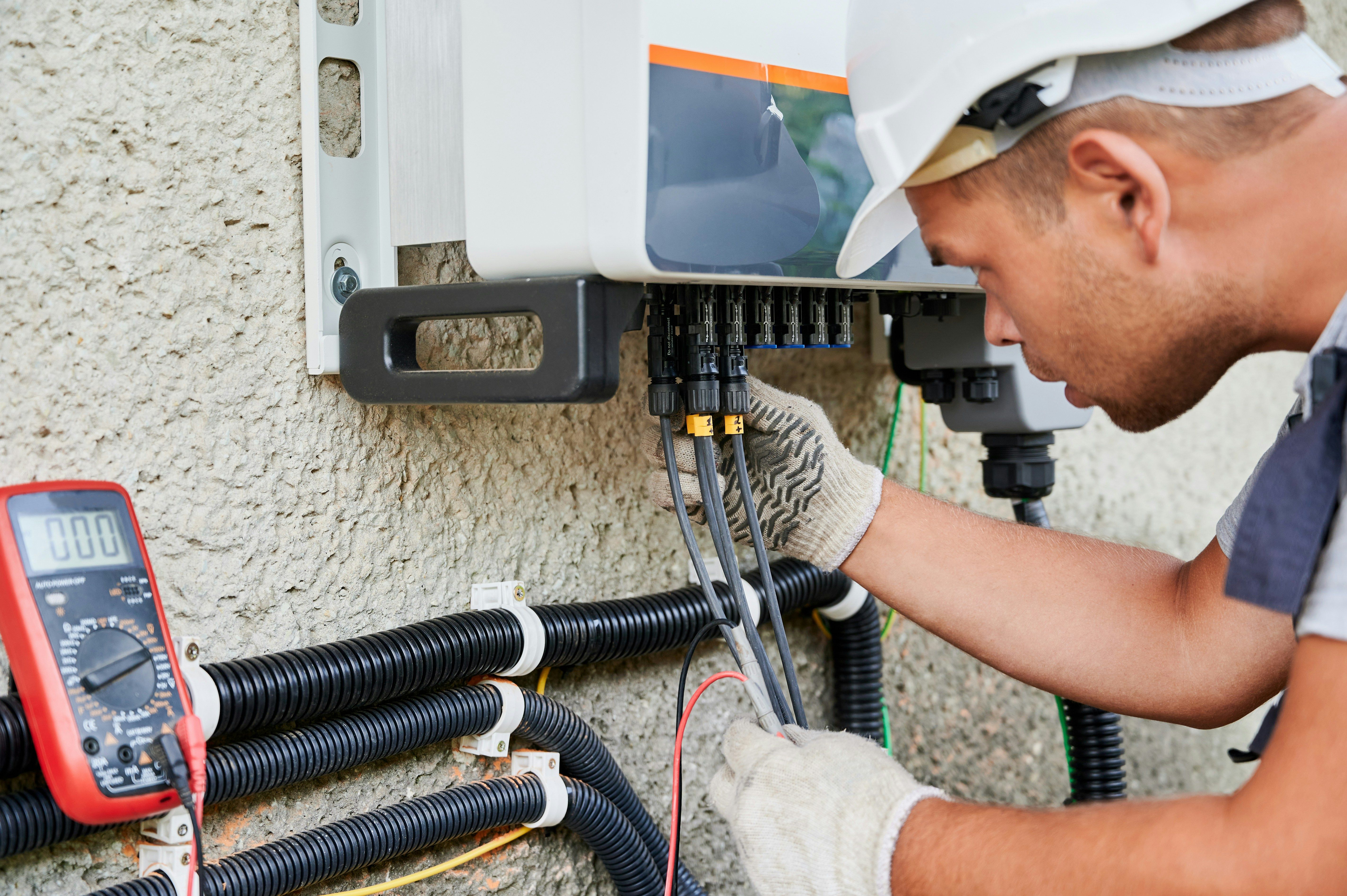
- Only use an approved transfer switch installed by a licensed electrician to connect your generator to your home circuitry
- Keep a fire extinguisher near your generator in a convenient and accessible location
Don’ts
- Never run a combustion-engine generator indoors, even in a garage
- Avoid refueling your generator before the engine has cooled sufficiently
- Don’t point your generator’s exhaust toward your home while it is operating
- Avoid storing near ignition sources such as furnaces, water heaters, or open flames
- Never try to connect your generator to your home circuitry yourself unless you are a trained electrician
- Don’t touch your generator with wet hands
- Avoid overloading your generator by being aware of the total power draw and your generator’s capacity
Common generator safety mistakes
There are a few mistakes people tend to make with generators that can create safety hazards. These include:
- Running a generator in an enclosed space: Many people falsely assume that it is safe to run their fuel-powered generator indoors if there is ventilation, such as in a garage if the door is open. This still poses a high risk of accumulating dangerous levels of carbon monoxide.
- Placing a generator too close to a dwelling: Carbon monoxide can still drift from the exhaust into a home through its windows and doors when it is running outdoors if it isn’t far enough away.
- Using the wrong extension cords: Not all extension cords are rated to carry the full electrical load produced by a generator. Overloading an improperly rated cable poses a risk of electrical fire.
- Backfeeding home circuitry: People may try to plug a generator directly into a wall outlet in an attempt to wire it into their home electrical system. This can backfeed electricity into the power lines outside the home which can cause injury or even death to utility workers.
Generator safety risks during storms and outages
One of the primary purposes of a generator is to provide power when the grid goes down. However, electricity outages and the storms that are often the cause of those outages create additional safety hazards, such as:
- Rain and flooding: Heavy precipitation and the flooding that follows can easily lead to a generator getting wet, which can cause electrical shorts or shock users attempting to operate or configure it.
- Extreme cold: Sub-zero temperatures can make generators harder to start or affect fuel efficiency. In addition, people tend to keep their houses sealed up when outages occur in the cold, increasing the risk of carbon monoxide buildup and poisoning.
- Mistakes of urgency: During an emergency, people are more likely to rush to start or connect their generator, which can lead to dangerous missteps or overlooking important safety considerations.
Generator safety checklist
Use the checklist below to ensure you’re following essential safety practices around using and storing your generator.
| Safety task | Complete? |
|---|---|
| Generator is stationed at least 20 feet from dwelling while operating with exhaust pointed away from doors and windows | Yes/No |
| Extension cords connected to generator are outdoor safe and rated properly for output wattage | Yes/No |
| Fuel is stored in a sealed approved container at a safe distance from the generator | Yes/No |
| If generator is connected to home circuitry, it is connected with a code-compliant transfer switch installed by a professional electrician | Yes/No |
| Generator has been inspected for loose wiring, spark plugs or fuel caps as well as excess moisture | Yes/No |
| Engine has cooled to a safe temperature before being refueled | Yes/No |
| Generator is stored in a dry environment protected from extreme temperatures and away from fuel-burning appliances | Yes/No |
| All connections to home circuitry are compliant with local, state, and federal safety codes | Yes/No |
| Total power draw, including surge wattage, has been accounted for and is within the generator’s output capacity | Yes/No |
| A working carbon monoxide detector is installed in the area in which a generator is stored | Yes/No |
Where should a generator be placed outside?
Combustible engine generators, like generators that run on gasoline, natural gas, propane, or diesel fuel must be placed outside at least 20 feet from a home. In addition, the generator’s exhaust should be pointed in the opposite direction of the dwelling, especially its windows and doors to prevent carbon monoxide from drifting inside.
Can generators cause carbon monoxide poisoning?
Carbon monoxide is the single biggest safety hazard that comes with using a fuel-powered generator. This hazardous gas not only poses health hazards, it is also odorless, tasteless, and invisible, making it impossible to detect without a specialized carbon monoxide detector. This is why generators should never be used indoors, where CO can quickly build up in the environment.
When CO is inhaled, it enters the bloodstream where it replaces oxygen. After enough CO enters the blood, it begins to starve organs of the oxygen they need to function properly. This can lead to serious health problems or even death.
Carbon monoxide poisoning symptoms
Get all residents outdoors and away from your generator and seek emergency help immediately if anyone in your household experiences any of the following symptoms:
- Dizziness
- Nausea
- Headache
- Fatigue
- Confusion
- Chest pain
- Loss of consciousness
How to connect a generator safely
Generators can be connected to your home’s electrical panel to allow appliances and other devices to draw power from wall outlets just as they do when grid power is active. However, connecting your generator to your home circuitry and running it while connected involves working with high-voltage electricity, which can be dangerous or even deadly.
To ensure a safe connection between your generator and your circuit panel, you must use a transfer switch. These units automatically disconnect the panel from the grid before allowing electricity to flow into the home from the generator. This prevents backfeeding, which occurs when electricity is pushed back into the grid through external transmission lines and can cause serious injury or death to utility workers.
Follow these steps to safely connect your generator to your home’s electrical system:
- Purchase an approved transfer switch properly rated and configured for your generator and home circuit box.
- Have the transfer switch installed by a licensed professional electrician.
- Ensure the switch and installation comply with all local, state, and federal safety codes.
- Read the user manual thoroughly and make sure you understand how to properly operate your unit.
- Test the transfer switch after installation and before you need to use your generator.
- Inspect all connection points and cables before attempting to use your generator.
- Shut down your generator and check to ensure it has ceased operating before switching back to grid power.
How can you reduce fire and fuel risks?
Another major risk associated with generators is fires caused by fuel combustion or electrical shorts. However, this risk can be greatly reduced or nearly eliminated by following a few safety practices. These include:
- Store combustible fuels in approved containers only
- Ensure all fuel containers are fully sealed before storing to prevent vapor leaks
- Store fuels at a safe distance from the generator and any source of flame or spark, ideally in a separate space
- Keep at least one fire extinguisher in an easy-to-access place close to stored fuel and your generator
- Have your fire extinguisher(s) inspected according to the manufacturer’s recommended schedule or the schedule dictated by local safety codes, whichever is more frequent
- Wait until the engine on your generator has cooled until it is safe to touch before attempting to refuel
- Understand the shelf life of the fuel your generator uses, note the date on which you filled the storage container, and be sure to discard expired fuels
- Examine all electrical connections and outlets on the generator for signs of wear and tear or loose connections
- Store your generator in a safe, dry environment protected from moisture
- Do not operate your generator in the same space as fuel is stored
- Never attempt to put out an electrical fire with water
How to prepare a generator for outages and storms
The purpose of a generator is to supply electricity when grid power is unavailable due to storms or other causes. It is critical to make sure your generator is working and ready for an outage so you don’t find yourself unable to use it safely when you need it most..
Use the checklist below to ensure your generator is prepared for the next emergency before it happens. Go through the checklist at least once every three months and more often if your area experiences frequent outages.
| Generator preparedness task | Completed? |
|---|---|
| Inspect all connection points, spark plugs, wiring, fuel tanks, and fuel delivery lines | Yes/No |
| Check the date on stored fuel and discard any expired fuel | Yes/No |
| Conduct a test run by connecting your generator to an appliance directly or through the transfer switch if connected to your home circuitry | Yes/No |
| Identify a safe space to operate your generator and keep it clear of other objects | Yes/No |
| Check to see that all safety equipment such as fire extinguishers is properly stored and accessible | Yes/No |
| If feasible, store enough fuel for multiple days of operation | Yes/No |
| Follow the maintenance schedule recommended by your generator’s manufacturer | Yes/No |
| Calculate the operating and surge power draw of individual appliances and devices | Yes/No |
| Create a priority list of appliances and devices in case you need to ration electricity in a prolonged outage | Yes/No |
Bottom line on generator safety
There are several safety risks that can come with using a generator. However, you can mitigate these risks and reduce the chance of injury or damage to your home by following basic safety practices. With these practices in place, a generator can provide substantial benefits in the form of emergency backup energy when outages occur, keeping you and your household safe and comfortable until the grid is restored. Above all, don’t skimp on generator maintenance to save on generator costs.