
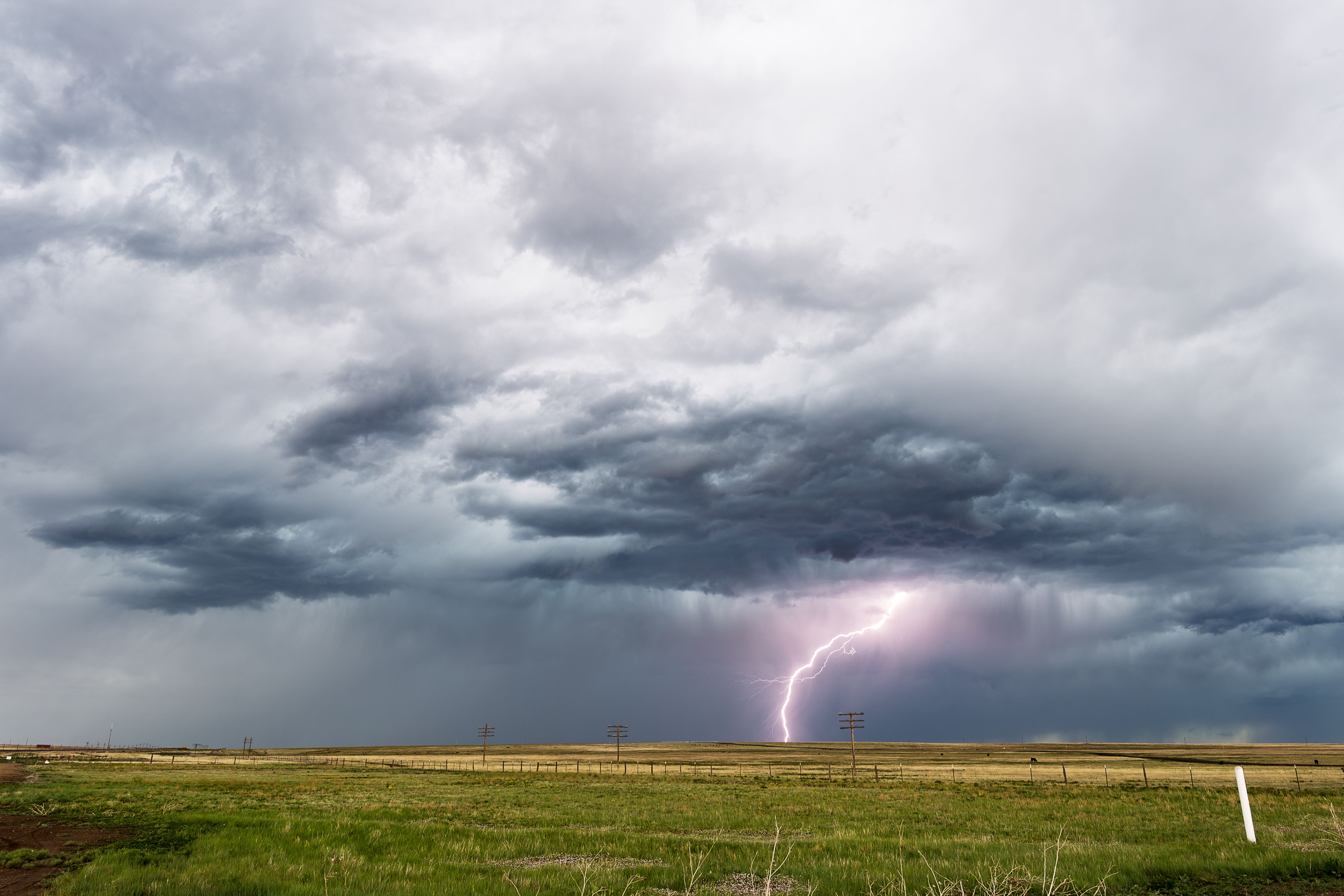


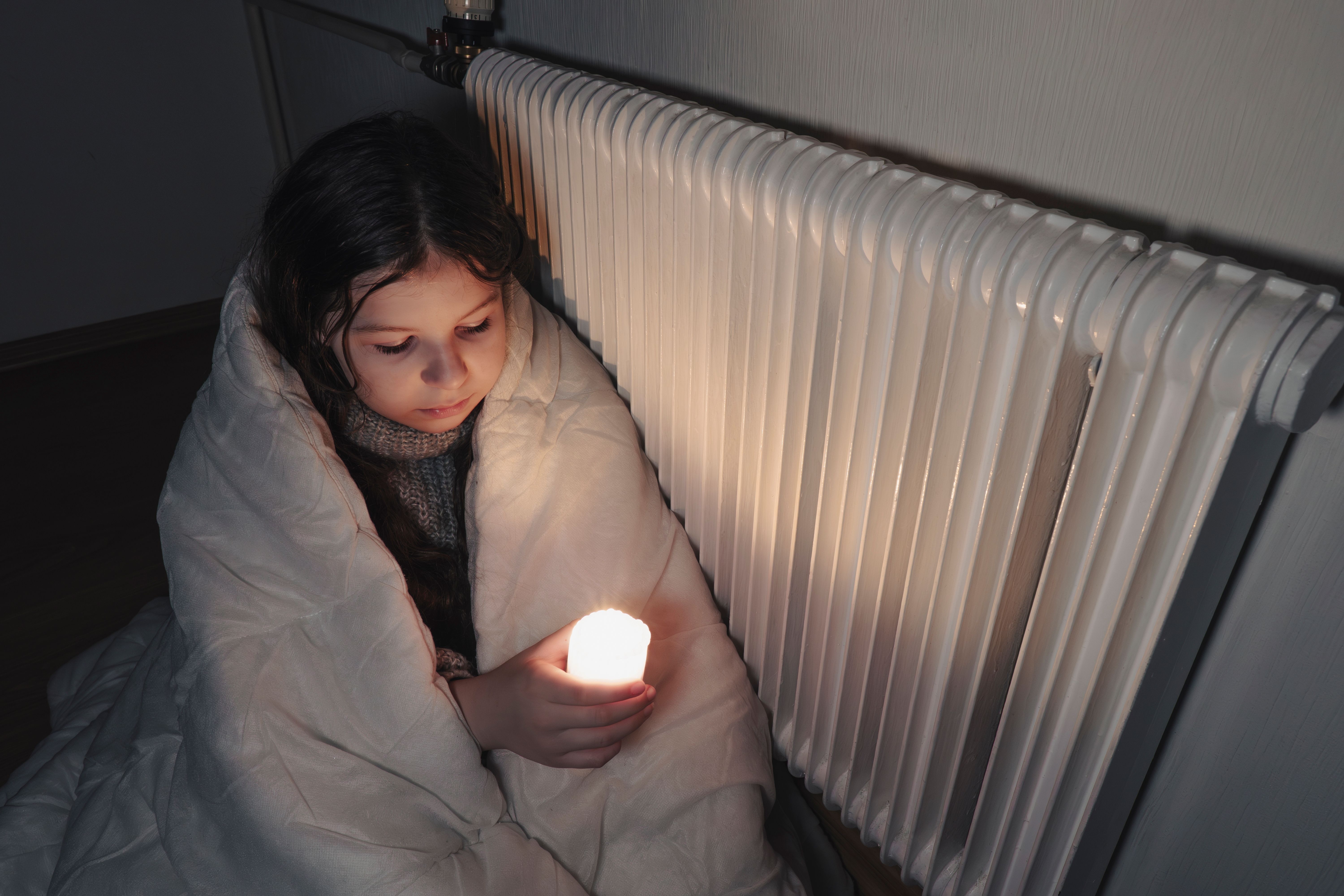
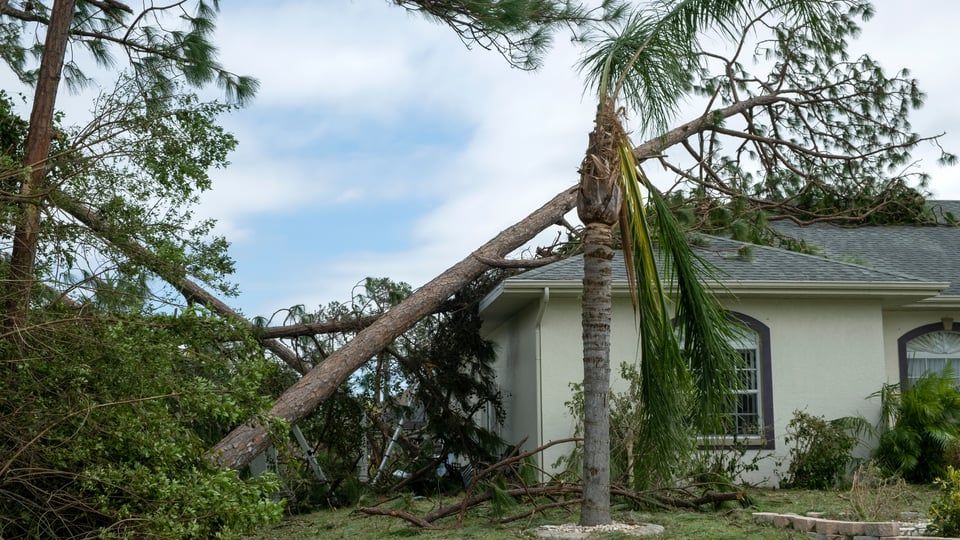
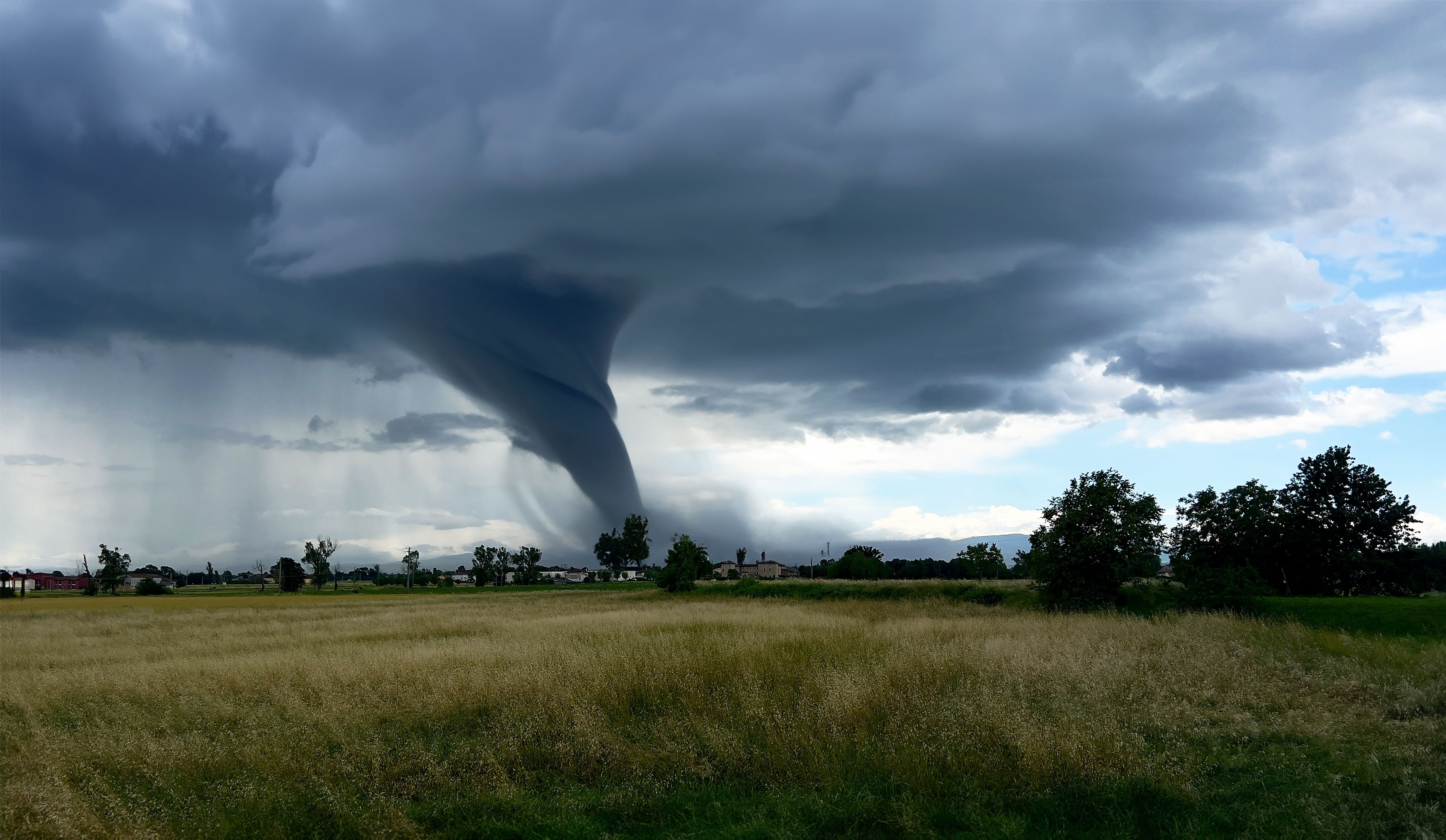


Severe thunderstorm power outage preparation starts before the first warning, because lightning, straight-line winds, hail, and falling trees can cut electricity with little notice.
At PowerPutage.us, we aggregate live data directily from utilities across the country to give people visibility into outage events in real time. Our data shows how quickly severe wind events can expand. During the August 2020 Midwest Derecho (8/10/2020–8/13/2020), straight-line wind damage drove about 1.4 million customers out at once and over 1.9 million total customers affected across multiple states (according to PowerOutage.us aggregated utility outage data).
We use this kind of outage intelligence to recommend severe thunderstorm power outage preparation to time charging, travel, and recovery decisions. Below, you’ll find out what to do before, during, and after a storm-related blackout.
Why severe thunderstorm power outage preparation matters
The August 2020 Midwest Derecho demonstrates why severe thunderstorm power outage preparation needs to cover multi-day restoration. Straight-line winds broke distribution lines, damaged poles, and blocked access for repair crews. PowerOutage.us live utility data aggregation recorded about 1.4 million customers out at one time and over 1.9 million total customers affected from 8/10/2020 to 8/13/2020, including about 759,000 in Illinois, 585,000 in Iowa, 283,000 in Indiana, and 345,000 in other states.
A derecho (a giant windstorm usually associated with a band of thunderstorms) concentrates wind and debris over long distances, so crews must clear downed trees, isolate damaged feeders, rebuild spans, and re-energize circuits in stages. Severe thunderstorm power outage preparation should assume staggered restoration from debris and continuing weather. It’s not possible to know exactly when you’ll get power back, in other words.
Preparation matters so you can act quickly when key systems fail. Refrigerators lose safe-hold time at about 4 hours, so severe thunderstorm power outage preparation should include a cooler plan, ice, and a thermometer-based decision process. Cell networks can congest while power banks drain, and medical devices can lose runtime if you didn’t plan charging and backup options. Severe storms also raise the risk of downed power lines, so your preparation plan has to cover how to move safely outside once the storm passes.
“Normal” severe thunderstorms also cause local blackouts
A “normal” thunderstorm can still cause a blackout when lightning, wind, or falling limbs damage distribution equipment on your street, it doesn’t have to be a derecho.
Lightning can trip protective devices when it strikes lines or nearby ground, cutting power to a circuit. Wind gusts can drop branches onto conductors and damage service drops to homes. Hail and heavy rain increase debris impacts and can flood low-lying equipment areas. These failures often affect a few circuits, so the result becomes a block-level or feeder-level outage that lasts hours while crews find the fault, clear debris, test the line, and re-energize it.
Before: Prepare for a severe thunderstorm power outage
Before the forecast turns into warnings, severe thunderstorm power outage preparation should focus on supplies, backup power limits, communication plans, and safe shutdown steps for electronics. If you prepare early, you’ll reduce your injury risk and make faster, safer decisions in the moment.
Build an emergency preparedness kit
Build a power outage emergency kit that supports at least a 3-day supply of essentials for everyone in your household. For severe thunderstorm power outage preparation, aim for practical items that work without grid power and that support food safety and medical needs.
Water and food
- Store water: one gallon per person per day for at least 3 days (drinking + sanitation).
- Store non-perishable food: at least a 3-day supply (include a manual can opener).
- Store a food thermometer for fridge/cooler decisions (supports the 40°F/4°C threshold we explain later). This is one of the most useful tools in severe thunderstorm power outage preparation because it replaces guessing with a clear rule.
Power, light, and information
- Keep flashlights and extra batteries in known locations so you are not searching in the dark during a storm outage.
- Keep a battery-powered or hand-crank radio for updates when internet and cable drop.
- Add a NOAA Weather Radio for official warning broadcasts when mobile service becomes congested or intermittent. This is an important backup channel in severe thunderstorm power outage preparation.
- Keep portable phone power (power banks) and charge them when storms enter the forecast, not after the first flicker.
- If you have a home battery backup, fully charge it before storms are forecast and confirm which circuits or appliances it will power during an outage.
- Prepare a generator if you have one with fresh fuel, tested startup, and the correct extension cords or transfer equipment ready.
Health and safety
- Stock a first-aid kit.
- Keep prescriptions refilled and store a backup supply when possible, especially for multi-day outages.
- Install and test carbon monoxide (CO) alarms on every level and outside sleeping areas (especially before storm season). Generator use during outages is a major CO risk.
Tools and documents
- Keep a battery pack lantern or headlamp for hands-free lighting during cleanup and checks.
- Store cash, copies of key documents, and a basic tool kit so you can function if card systems and ATMs are down.
- Store work gloves and sturdy shoes for debris cleanup after the storm, when sharp materials and nails are common.
Plan for medical and communication needs
Preparation for a thunderstorm blackout should include a medical device checklist because outages can disrupt refrigeration, charging, and device runtime, often at the same time that roads are blocked and services are delayed.
- Determine which medical devices need electricity (CPAP, oxygen concentrator, feeding pump, home dialysis support equipment) and list their wattage, battery runtime, and required hours per day.
- Register medical needs with your utility if your household depends on electricity for medical equipment, and keep a printed plan in case internet access fails.
- Stage medication cold-chain options: a small cooler, ice packs, and a thermometer so you can manage 40°F (4°C) decisions during and after an outage.
Monitor alerts through local emergency notifications and the National Weather Service; confirm Wireless Emergency Alerts (WEA) are enabled on your phone when available. As part of severe thunderstorm power outage preparation, also decide where your household will meet or check in if cell service becomes unreliable.
Protect appliances and electronics
A thunderstorm outage can damage electronics through lightning-related surges and through unstable voltage when service returns. You should think about basic steps that reduce equipment loss and make restart safer.
- Install surge protection on sensitive electronics (router, modem, TV, computer) to reduce damage from spikes.
- Charge devices early when storms are forecast so you start the outage with full battery capacity.
- Unplug non-essential devices when severe storms approach to reduce surge exposure and simplify safe restart after restoration.
- Set refrigerator and freezer controls to their coldest safe settings before the storm if you expect outages, and keep appliance doors closed during the outage to preserve cold air.
During: Safety through a lightning storm power outage
During a severe thunderstorm power outage, actions should prioritize life safety, carbon monoxide prevention, food temperature control, and electrical hazard avoidance. If conditions remain dangerous outside, wait until the storm clears before checking damage.
Prevent carbon monoxide poisoning
Carbon monoxide risk rises during power outages because people run portable generators, grills, camp stoves, or other fuel-burning devices to power essentials or cook. Set strict rules ahead of time so no one “improvises” in a garage or near a door.
- Run backup generators outdoors and place them at least 20 feet away from doors, windows, and vents.
- Operate generators away from openings and point exhaust so fumes flow away from the home.
- Move to fresh air immediately if a CO alarm sounds or if anyone develops headache, dizziness, weakness, nausea, or confusion, then call emergency services.
- If you run a home battery backup during an outage, prioritize essential circuits (refrigeration, medical devices, communications), limit high-draw appliances, and monitor remaining capacity to extend runtime until grid power is restored.
Generator electrical safety
- Avoid backfeeding: connect a generator to home circuits only through a properly installed transfer switch or interlock, following local code and electrician guidance.
- Keep the generator dry and run it on a stable, dry surface under a cover that blocks rain while keeping full ventilation.
- Refuel only after cooldown to reduce ignition risk, and store fuel in approved containers away from living spaces.
You can charge a backup battery from a generator if you use the manufacturer-approved charger and the generator provides stable, properly rated output. That said,
- Let the generator stabilize before plugging in sensitive chargers
- Avoid overloading the generator while charging
- Never charge batteries in enclosed spaces if they are lead-acid types that can off-gas hydrogen
Keep food safe
Your food plan for a lightning storm outage depends on time and temperature, because bacteria grow quickly above 40°F (4°C). Track the clock, limit door openings, and use a thermometer to confirm safe storage.
- Keep refrigerator and freezer doors closed. FoodSafety.gov notes a refrigerator keeps food safe for about 4 hours when unopened.
- Use the 4-hour rule for the refrigerator. If the outage lasts longer than about 4 hours, move perishables to a cooler with ice, and use a thermometer to keep foods at 40°F (4°C) or below.
- Use the 48-hour rule for the freezer. A full freezer can hold temperature for about 48 hours when unopened, and a half-full freezer holds cold for a shorter period.
- Prioritize what you open. Retrieve needed items quickly, then close the door immediately to preserve cold air.
Note: while the standard 4-hour rule applies when power is lost, research shows that if a refrigerator thermometer confirms food stayed at or below 40°F (4°C) throughout the outage, some perishable foods may remain safe even after the 4-hour window. You have to confirm the food temperature stayed out of the danger zone, though.
Avoid electrical hazards and downed power lines
Storm outages create unpredictable electrical hazards because water, debris, and damaged conductors can energize areas you would normally consider safe. Being outage-prepared includes knowing clear “no-go” rules for downed lines and flooded areas.
- Assume downed lines are energized and keep a wide buffer distance.
- Report downed power lines to your utility and local authorities, and keep others away from the area.
- Avoid standing water near electrical equipment, downed lines, or exterior panels.
- Stay inside during lightning and keep away from windows and corded devices when storms remain active.
- Report your outage to your utility through its outage map, phone line, or app so crews can identify affected circuits and confirm restoration priorities.
Safety authorities recommend staying 30–50 feet away from downed power lines and any objects they are touching because the ground and nearby conductive materials can become energized. Also, this is the minimum distance. Farther from potential danger is always better.
What to do after power is restored
After service returns, your thunderstorm blackout plan continues with recovery steps: make food decisions, restart equipment safely, and check medical supplies. Utility restoration can include brief flickers, surges, or partial power, so bring systems back online in a controlled order.
Discard Unsafe Food
Food decisions should follow clear boundaries to reduce illness risk after a severe storm outage.
- Discard refrigerated perishables after 4 hours without power if you cannot confirm they stayed at 40°F (4°C) or below.
- Apply the 2-hour rule for foods that warmed above safe refrigeration temperatures: discard food left above 40°F (4°C) for more than 2 hours.
- Check with a thermometer rather than guessing, especially for high-risk items like dairy, cooked leftovers, meat, and cut produce.
- When in doubt, throw it out to prevent avoidable illness (and an uneccesary trip to the pharmacy or clinic).
Medication and medical supplies
Evaluate refrigerated medications (insulin, biologics, some antibiotics) using manufacturer guidance, pharmacist instructions, and recorded time/temperature exposure. Replace any medication that sat above its labeled storage range beyond the allowed time, and document what happened for your prescriber or pharmacist if needed.
Inspect electrical equipment
Restoration can include surges and unstable voltage, so lightning storm prep should include a safe “restart” plan for your home.
- Inspect cords and devices for heat damage, scorch marks, or melted insulation before plugging in.
- Reset breakers deliberately and restore loads in stages so circuits stabilize and you reduce nuisance trips.
- Check GFCI outlets and reset as needed, especially in kitchens, bathrooms, garages, and exterior outlets.
- Evaluate generator equipment: store fuel safely, follow manufacturer maintenance steps, and log runtime for oil-change intervals before the next severe thunderstorm.
Severe thunderstorm power outage checklist
Use this checklist to carry out your severe thunderstorm outage plan across the before, during, and after phases.
Before
- Store water: one gallon per person per day for a 3-day supply; extend toward a longer supply when practical for severe thunderstorm outage planning.
- Store 3-day non-perishable food and a manual can opener.
- Add a NOAA Weather Radio or battery radio for official warnings during storms and outages.
- Charge phones and power banks; keep spare batteries for flashlights so you start the outage with power.
- Install and test carbon monoxide alarms on every level and outside sleeping areas.
- Determine medical power needs; register critical needs with your utility and write down device wattage and battery runtime.
- Put a thermometer in the fridge/freezer; prepare a cooler and ice packs to keep food below 40°F (4°C) as long as possible.
- Unplug non-essential electronics when severe weather approaches; confirm surge protection is in place for critical equipment.
During the outage
- Keep refrigerator and freezer doors closed as much as possible; an unopened refrigerator will generally keep food at or below 40°F (4°C) for about 4 hours, and an unopened full freezer will hold safe temperatures for about 48 hours (about 24 hours if half full).
- If the outage exceeds about 4 hours, move perishables to a cooler with ice and keep at 40°F (4°C) or below.
- Run generators outside and at least 20 feet from doors, windows, and vents; listen for and respond to CO alarms.
- Avoid backfeeding; use a transfer switch/interlock when powering home circuits.
- Treat downed power lines as energized; report hazards to the utility and keep at least 30–50 feet away.
After power returns
- Discard perishable refrigerated foods if they were held above 40°F (4°C) for more than 2 hours, or if the refrigerator was without power for about 4 hours and you cannot verify that the food remained at or below 40°F (4°C) with a thermometer.
- Use “When in doubt, throw it out” for uncertain items, especially if you don’t have a thermometer reading.
- Inspect electronics and cords. Restore loads in stages to reduce surge-related damage.
- Review refrigerated medications with a pharmacist when storage conditions were exceeded.
Plan well and stay informed
Severe thunderstorm power outage preparation works best when you plan for 3–7 days of disruption, run backup power with strict generator and CO safety rule, and protect food using the 4-hour refrigerator timeline and the 24–48-hour freezer timeline while keeping cold foods at 40°F (4°C) or below. Use direct utility outage intelligence from PowerOutage.us to guide charging, travel, and recovery decisions during severe thunderstorm outages.