
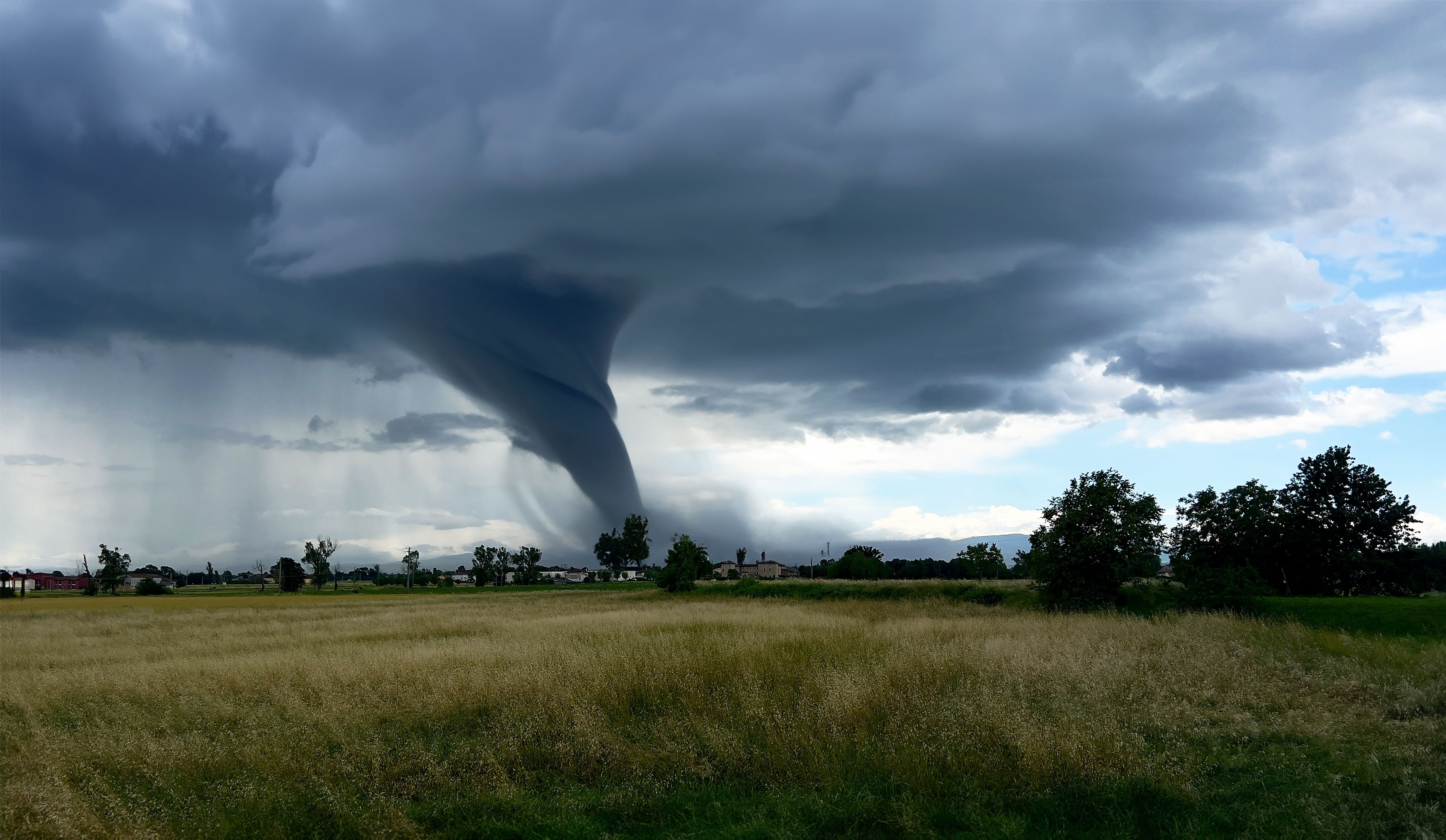


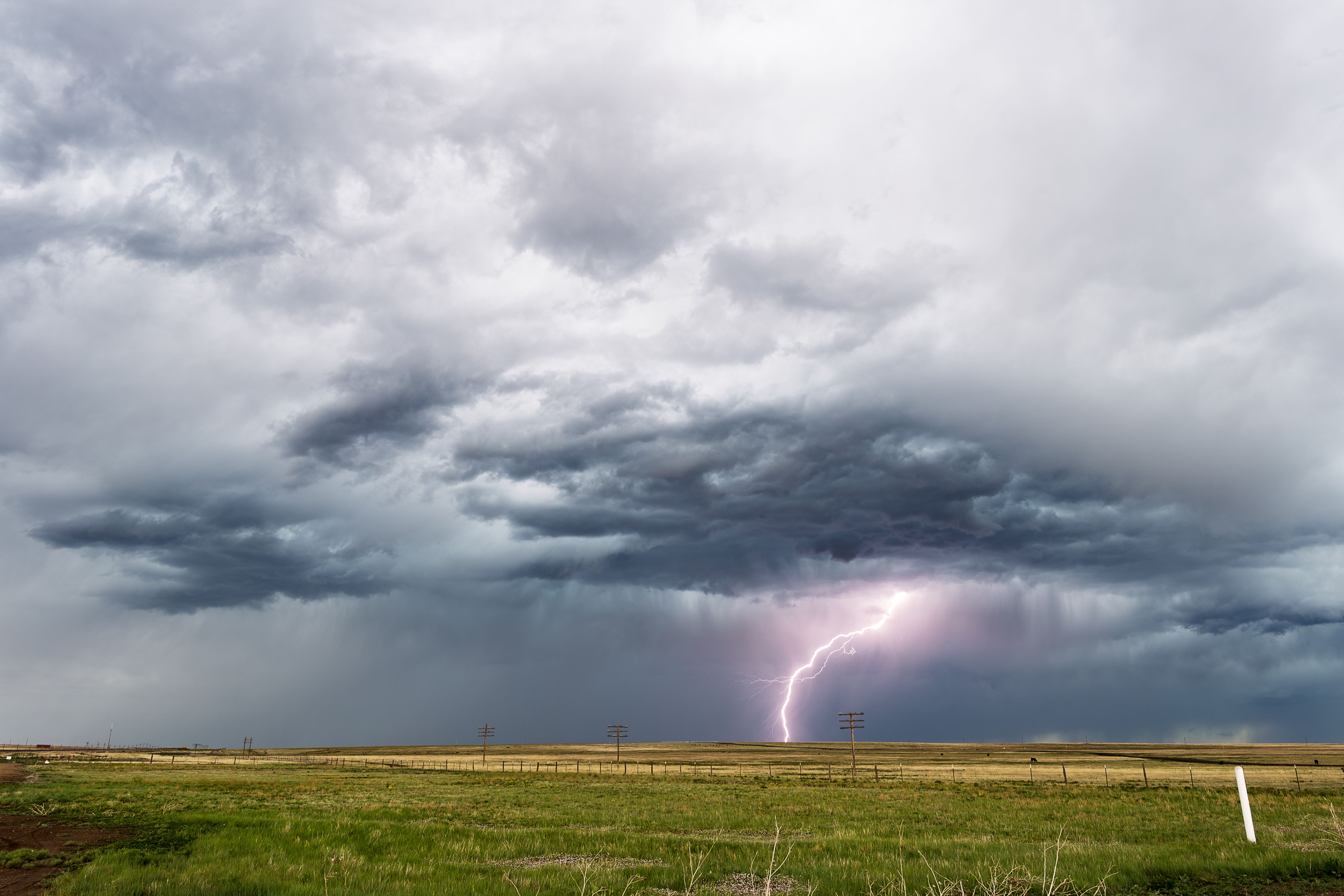

Tornado power outage preparation includes gathering supplies and following safety precautions to keep you and your loved ones secure. Tornadoes can easily snap poles, tear down conductors, and rupture transformers. Utilities often need to rebuild equipment or transfer loads before service returns, so you should be prepared to go without power for some time after a storm.
At PowerOutage.us, we track real-time outage reports from direct data connections with utilities nationwide to help communities follow the size and pace of major storm outages. Our outage maps and event timelines show that tornado outbreaks and other intense wind events can cut power to large areas within hours, while restoration time depends on feeder damage, substation impact, access for line crews, and road conditions. Read on to learn how to prepare for this type of storm and outage.
How tornadoes cause power outages
Tornado damage to transmission structures can interrupt bulk power flow across a region. Debris impacts and pole failures on distribution feeders can disconnect neighborhoods street-by-street, sometimes within seconds.
In many parts of the Midwest and Great Plains, including Tornado Alley, tornadoes can form quickly and damage electric infrastructure in minutes. A tornado warning means a tornado is occurring or imminent and calls for immediate shelter. Power can even fail at the same time the warning is issued if a local feeder or substation takes a hit.
Why tornado-driven outages are different from other storms
Tornado outages are different because damage is highly concentrated and violent, often destroying multiple structures and circuits within minutes, unlike many other storms, where damage accumulates more gradually over wider areas.
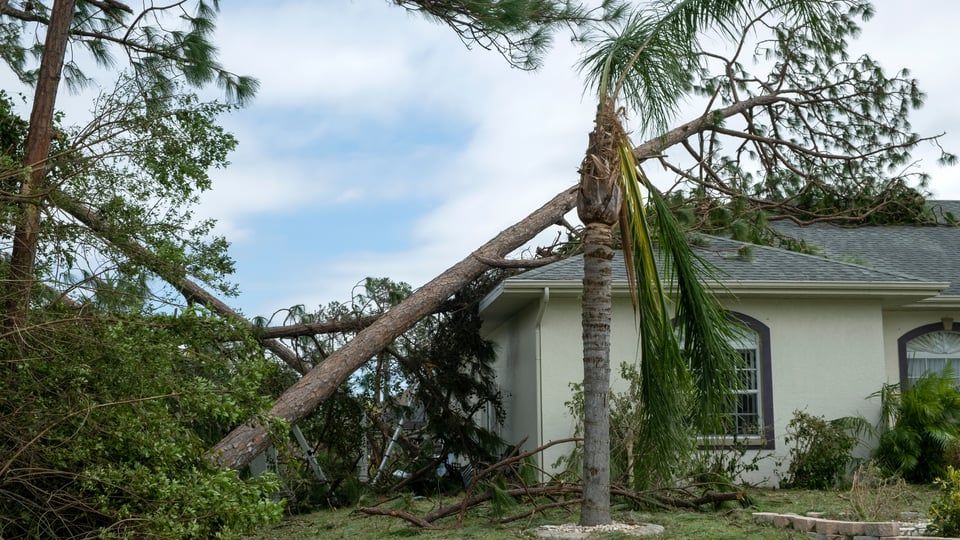
Tornado debris can punch through roofs and walls and tear loose service drops, meter bases, and weatherheads. Pole-line collapse can remove multiple spans at once, taking several circuits out together and expanding the outage footprint.
Power outages from tornadoes also involve blocked roads, damaged buildings, and unsafe work areas that slow crew access and restoration. Utilities typically restore service by priority: hospitals and emergency services, major transmission paths, substations, main feeders, and then individual service lines to homes.
Severe outage example from Derecho and related tornadoes
PowerOutage.us utility data during the Midwest Derecho on August 10–13, 2020, recorded about 1.4 million customers without power at one time and over 1.9 million customers affected across multiple states. The event combined destructive straight-line winds with numerous tornadoes, producing widespread feeder and equipment loss. Severe wind damage like this commonly creates multi-day restoration cycles because utilities must replace poles, wire, transformers, and hardware before re-energizing lines.
Prepare now before a tornado
Preparation lowers injury risk and helps your household function when a tornado knocks out power. Here’s what to do.
Identify the safest shelter location
Choose the lowest interior room without windows because it reduces exposure to airborne debris and glass. A basement provides the strongest protection in most homes. If you do not have a basement, use a small interior room on the lowest level, such as a bathroom or closet, away from exterior walls.
Prepare helmets, blankets, and sturdy shoes inside the shelter because broken glass, nails, and falling materials are common after tornado damage. Your shelter choice and readiness often determine how well you ride out both the tornado and the immediate power outage.
Build a tornado power outage kit
Assemble a tornado power outage kit for at least three days of self-sufficiency.
- Store shelf-stable food and water because stores, ATMs, and supply deliveries can shut down when the grid is down.
- Include flashlights, spare batteries, a battery-powered or hand-crank weather radio, a first-aid kit, and phone charging options such as power banks.
- Keep appliance thermometers in your refrigerator and freezer because food safety depends on verified temperatures during a blackout. When power is out, refrigeration stops, and the risk of spoilage rises quickly, especially if you open the door frequently.
Plan for medical needs
A tornado outage can cut electricity for crucial medical equipment. Make a checklist of medical devices or home health equipment that require electricity. If a device needs power, plan a backup supply and confirm runtime for batteries, UPS units, or portable power stations. For refrigerated medications, follow the label storage range and prepare a cooler plan with ice packs if the outage lasts.
Protect electronics and prevent surge damage
Install surge protection because grid faults and restoration switching can create voltage spikes during and after a tornado power outage.
If you get a tornado watch in your area, charge devices and consider unplugging sensitive electronics to reduce damage risk if voltage spikes, transformers fail, or circuits re-energize unevenly.
Generator planning and fuel safety
Choose a backup generator sized for essential loads such as refrigeration, a few lights, medical equipment, and device charging.
- Generator exhaust contains carbon monoxide (CO), so run generators outdoors at least 20 feet from windows, doors, and attached garages.
- Never run a generator in a basement, crawlspace, shed, or garage, even with doors open.
- Store fuel only in approved containers and keep it away from ignition sources.
Plan which circuits you will power, and if you use a transfer switch or interlock, have it installed by a qualified electrician to prevent backfeed that can injure utility workers and damage equipment.
The CDC advises that when using a portable generator during a power outage, it should be placed outside and at least 20 feet away from doors, windows, and vents to reduce the risk of carbon monoxide poisoning, with proper ventilation and working CO alarms installed inside the home.
Can you operate a generator in a tornado?
You can’t operate a portable generator in an active tornado, since you’d have to go outside and create more risk than it’s worth. A generator is useful for backup power during the outage following a tornado.
On the other hand, you can operate a permanent standby generator that turns on when your power goes out, provided it’s installed on concrete and has an enclosure to protect it from flying debris.
Prepare Your Battery Backup
If you have a home battery backup system, now is the time to fully charge it, confirm it is communicating properly with your inverter or transfer switch, and verify available runtime for essential loads.
- Review which circuits are backed up (like refrigeration, medical equipment, lighting, or sump pumps) and reduce non-essential loads to extend duration.
- Check system alerts for faults, confirm firmware is up to date if applicable, and make sure ventilation and clearance requirements are met.
- If your system allows manual islanding, understand how to safely isolate from the grid during an outage.
What to do during a tornado watch
A tornado watch means conditions favor tornado development and calls for tornado power outage readiness.
- Monitor warnings and radar using a NOAA weather radio, local alerts, or trusted mobile apps.
- Charge phones and power banks because electricity can fail with little notice.
- Move your tornado power outage kit to a location next to your shelter so you are not searching in the dark.
- Refuel vehicles because gas pumps often stop when power is out.
- Confirm where household members are and how you will communicate if cell networks slow down or internet service fails.
What to do during a tornado warning
A tornado warning means a tornado is occurring or imminent and requires immediate action.
- Go to your lowest interior shelter immediately because tornado winds can exceed what most structures can withstand.
- Protect your head (like by wearing a helmet) and neck because debris strikes cause many severe injuries.
- Bring a flashlight, weather radio, and a charged phone into the shelter so you can receive updates during a power outage.
- Stay away from windows and exterior walls because glass can shatter and debris can penetrate siding.
- If you are driving, do not try to outrun the tornado; get into a sturdy building right away because vehicles provide minimal protection from debris and rollover forces.
Survive the power outage during active tornado conditions
During a tornado-related power outage, focus on life safety, carbon monoxide prevention, and controlled food storage.
- Run generators outdoors at least 20 feet from any building opening because carbon monoxide poisoning can occur quickly. Carbon monoxide displaces oxygen in the bloodstream and can cause collapse and death without warning. If you have battery-operated CO alarms, keep them active during generator use.
- Keep refrigerator and freezer doors closed to hold safe temperatures longer. A refrigerator can keep food cold for about 4 hours if unopened; a full freezer can hold temperature for about 48 hours if unopened.
- Stay at least 35 feet away from downed power lines because lines may still be energized and can energize the ground and nearby metal. Treat every downed line as live, and keep children and pets away.
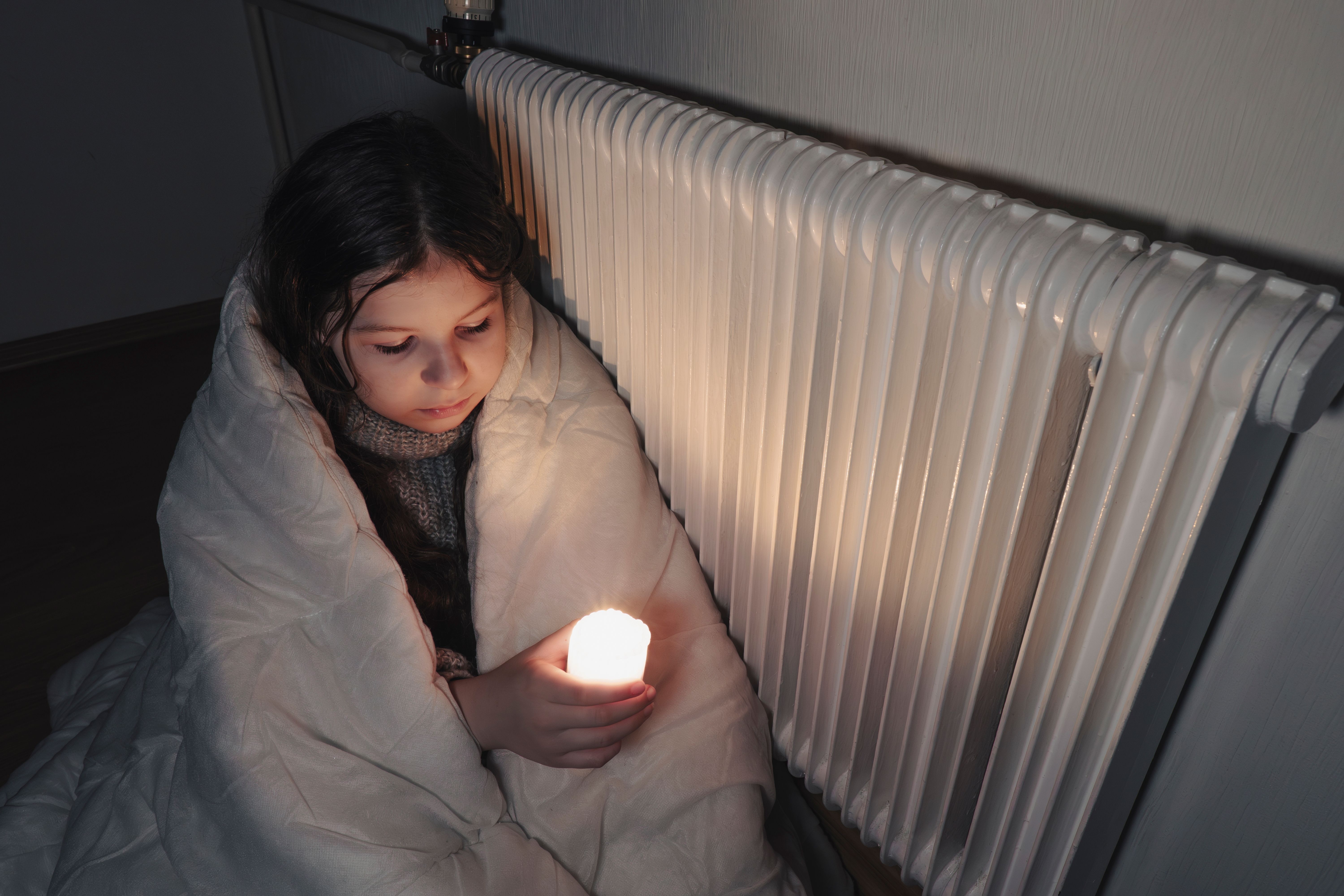
- Use flashlights instead of candles because damaged structures and gas leaks raise fire risk during outages.
What to do immediately after a tornado power outage
After the tornado passes, treat the area as a hazard zone until you confirm safety.
Downed line safety (35-foot rule)
There is no single federal rule setting a 35-foot distance for the public, but utility safety organizations advise staying several dozen feet away from any downed power line and anything it touches because the ground and nearby objects may be energized.
Always assume the line is live, keep your distance, and report it to emergency services and the utility.
Food and medication safety (40°F rule)
Check internal temperatures with a thermometer rather than guessing. Refrigerated food that has been above 40°F for more than 4 hours should be thrown away, especially meat, dairy, cooked leftovers, and cut produce. A full freezer can keep food safe for up to 48 hours if it stays closed. A half-full freezer is closer to 24 hours.
For refrigerated medications, follow the manufacturer guidance and replace them if they exceed allowable temperature or time limits. If you are unsure about exposure duration, contact a pharmacist or the prescribing clinician before taking the medication.
Electrical inspection and flood safety
Avoid flooded areas where electrical equipment may be present because water conducts electricity. Floodwater can energize submerged circuits, outlets, and appliances, creating shock and fire risk. If your breaker panel, meter base, or wiring took water or physical impact, have a qualified electrician inspect the system before you attempt to restore power or use a generator connection.
Restore power in stages after a tornado power outage. Turn on essential circuits first (lights, furnace blower, sump pump), then start major appliances one at a time because sudden load increases can trip breakers or overload damaged conductors.
If a breaker keeps tripping, leave it off. Repeated trips after a storm often indicate wiring damage, water intrusion, or a short that needs inspection.
Utility reporting and restoration expectations
Following widespread storm damage, utilities generally restore power according to a hierarchy that focuses first on bulk transmission and critical infrastructure, then substations and main distribution, and finally neighborhood feeders and individual service lines to homes and businesses.
This structure aims to re-energize the greatest number of customers and essential services as quickly as possible. However, that means your house might be out of power while your friend across town has power. PowerOutage.us provides live outage tracking to help you follow the regional scope of a tornado power outage and the pace of restoration.
When to stay or evacuate after a tornado
After a tornado, decide whether to stay or evacuate based on structure condition, medical needs, and the expected outage duration.
- Evacuate if your home is structurally compromised, smells of gas, shows sagging ceilings, or has shifting walls because collapse can occur after the initial impact.
- Evacuate if you rely on medical devices that require stable electricity beyond your backup capacity, or if extreme heat or cold creates a health risk without power.
- Stay if the structure is sound and you can maintain hydration, sanitation, and medical continuity during the outage.
Local authorities may open shelters, cooling centers, or warming centers during extended tornado outages; use official guidance and posted safety routes.
Severe tornado power outage preparation checklist
As a summary of what we covered above, you can use this three-phase checklist to carry out preparation, response, and recovery action in the correct order.
Before a tornado power outage
- Identify the lowest interior shelter or basement because debris impact risk decreases in reinforced interior spaces.
- Assemble a three-day emergency kit with water, non-perishable food, flashlights, batteries, first aid supplies, and a battery radio.
- Install surge protection and unplug sensitive electronics when severe weather is forecast.
- Place thermometers in the refrigerator and freezer to monitor the 40°F safety threshold.
- Inventory medical devices and determine backup battery duration.
- Position generators for outdoor use at least 20 feet from windows and doors.
- Store fuel safely in approved containers.
- Charge phones, power banks, and essential devices.
During a tornado warning and active outage
- Move immediately to your lowest interior shelter because a tornado warning indicates imminent or active danger.
- Protect your head and neck from debris.
- Keep refrigerator and freezer doors closed to preserve safe temperatures (4 hours for refrigerator; up to 48 hours for a full freezer).
- After the tornado risk passes, operate generators outdoors only and maintain the 20-foot clearance to prevent carbon monoxide poisoning.
- Use flashlights instead of candles to reduce fire risk.
- Monitor official alerts using battery-powered devices.
After the tornado and when power returns
- Stay at least 35 feet away from fallen power lines and report them to your utility.
- Discard perishable food exposed above 40°F for more than 4 hours.
- Inspect your electrical panel and service equipment for visible damage before restoring full load.
- Restore circuits in stages to prevent overload and breaker trips.
- Ventilate indoor spaces and confirm carbon monoxide alarms function properly.
- Monitor utility updates because restoration may involve cycling power during grid stabilization.
Stay safe and informed
During a tornado power outage, protect life before property. Shelter in a basement or small interior room during a warning and remain there until officials give the all clear. Afterward, treat the area as hazardous: run generators outdoors at least 20 feet from openings, never use grills indoors, keep refrigerators at or below 40°F (follow the 4-hour fridge and 48-hour freezer rules), and stay at least 35 feet from downed power lines or flooded electrical areas.
Follow official alerts, local weather briefings, utility outage maps, and stay informed on regional outage scope and restoration progress at PowerOutage.us. With careful preparation and safety steps you’ll reduce injury, prevent carbon monoxide exposure, and manage needs until power is restored.