
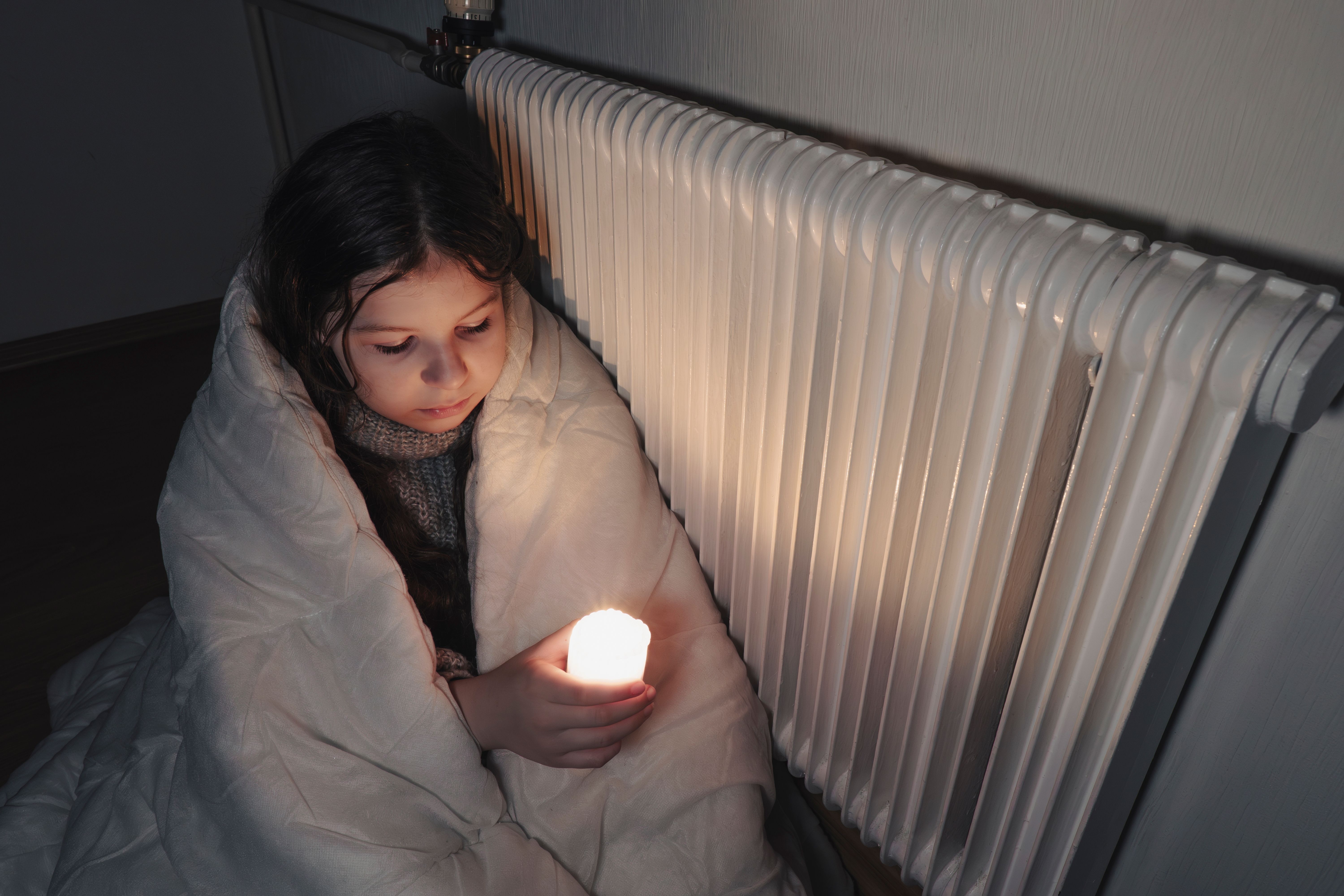
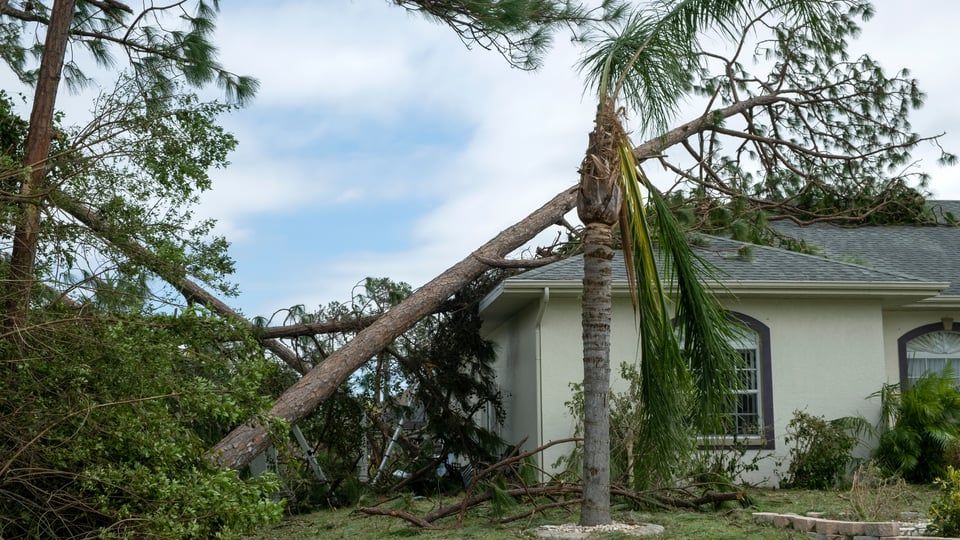




An extreme heat power outage happens when high temperatures drive heavy air conditioning (AC) demand, strain the power grid, and leave homes without cooling. This is a multifaceted hazard with high outdoor temperatures, loss of indoor cooling, and disrupted services (fuel, cell networks, closed stores, limited ice).
- Track heat index, indoor temperature, hydration, and symptoms; relocate early when risk rises during an extreme heat power outage.
- Cool one small space with measured airflow and efficient backup power so you can ride out a heat wave blackout more safely.
- Keep generators outdoors 20+ feet from openings to prevent carbon monoxide exposure.
Use this guide to reduce heat illness risk and stay safe for 3 to 5 days during an extreme heat power outage, with a clear plan to relocate if indoor conditions cross unsafe thresholds.
At PowerOutage.us, we build these recommendations around real outage patterns. When Hurricane Beryl (July 2024) cut power to 2.6 million Texas customers, summer heat and AC failures increased danger across the Houston area, increasing both restoration time and indoor heat.
We also track nationwide outages across 950+ utilities serving 200+ million customers (94–95% U.S. coverage) and have monitored every major event since 2016, which keeps this power outage guidance grounded in real restoration behavior across regions.
Why extreme heat increases power outage risk
Extreme heat increases outage risk because high AC loads push the grid toward peak demand, while heat also stresses electrical equipment. In an extreme heat power outage scenario, both demand and equipment limits can fail at the same time.
Standards and reliability guides from IEEE and research from NIST show how elevated temperatures increase resistance, thermal expansion (sag), and equipment stress, which can raise outage risk during heat waves.
Here are some details:
- Cooling demand surge: When temperatures reach 90°F+, and the heat index rises, residential and commercial cooling loads climb fast, raising the odds of rolling outages or localized failures.
- Grid equipment stress: Transformers, switches, and distribution components run hotter under heavy current.
- Thermal efficiency losses: Some power plants produce less usable output during extreme heat, tightening supply margins precisely when demand peaks, which increases the chance of utility load-shedding (aka rolling power outages).
- Conductor sag risk: High temperatures can increase line sag, raising the chance of faults under certain conditions and triggering protective shutoffs.
- Restoration delays: Crews must deal with hazardous heat, failures can be widespread, and replacement components can be constrained.
Planning takeaway: During major heat events, assume a multi-day restoration window (3–5 days) and build an extreme heat power outage plan that protects health when AC is unavailable.
Health risks during an extreme heat power outage
Heat illness becomes more likely during a heat wave power outage when indoor temperatures climb, and your body can’t shed heat through sweating, airflow, and cooler surfaces. Without powered cooling, indoor heat can build hour by hour, especially on upper floors and sun-facing rooms.
Heat exhaustion indicators to monitor during an extreme heat power outage:
- Heavy sweating, weakness, dizziness, headache
- Nausea, muscle cramps
- Cool or clammy skin
Heat stroke is a medical emergency during a heat wave blackout:
- Confusion, altered behavior, fainting
- Hot skin, reduced sweating in some cases
- Body temperature can rise rapidly
Keep these in mind:
- 90°F+ outdoor temperatures: Plan for active cooling strategies (microclimate room, fans, cooling towels, relocation options).
- 100°F+ outdoor temperatures: Prioritize relocation planning for high-risk households; extended exposure without AC becomes dangerous even with fans.
- Heat index: Track heat index, since humidity can make a lower temperature feel much hotter during an extreme heat power outage.
- Wet-bulb temperature: Treat rising wet-bulb conditions as a danger signal because evaporative cooling (sweating) becomes less effective, making heat illness more likely without powered cooling.
Note fans can worsen heat stress when the ambient air temperature is very high (around 90°F/32°C and above) and especially if the air being blown on you is hotter than your skin temperature, because the fan can accelerate convective heat gain instead of cooling.
Vulnerable groups to prioritize during an extreme heat power outage
- Infants and children
- Older adults
- People with heart, lung, and kidney conditions
- People taking medications that affect hydration or thermoregulation
- People who rely on electricity-dependent medical devices
- Pets, especially brachycephalic breeds and older animals
How to prepare before an extreme heat power outage
Preparation works best when you identify your critical loads, calculate realistic runtime, and gather supplies specifically for an extreme heat power outage (not a mild-weather outage). Plan for a heat wave blackout where you have less access to stores, ice, and recharging options.
1) Determine your critical electricity dependencies
Make a short list of what must run during a heat wave outage:
- Refrigerated medication storage
- CPAP, oxygen concentrators, mobility devices, or other medical devices for an outage
- Communication and charging (phone, hotspot) for outage alerts and restoration updates
- Minimal cooling (fan, dehumidifier, small inverter window AC in a single room)
- Lighting and basic food safety tools (thermometer)
2) Reduce heat gain inside your home
Plan to reduce indoor heat buildup before an outage:
- Close blinds and curtains on sun-facing windows by late morning to reduce solar gain
- Add reflective window coverings where practical (especially west-facing windows)
- Seal obvious air leaks so your microclimate room holds cooler air longer
- Confirm attic ventilation functions and insulation is intact to reduce ceiling heat load
- Install blackout curtains for the microclimate room to slow indoor temperature rise
3) Prepare water and electrolytes
Dehydration becomes a primary risk because sweating increases while comfort cooling drops. To prepare a power outage emergency kit,
- Store 1 gallon of water per person per day for a minimum of 3–5 days.
- Add electrolyte packets or oral rehydration options for high-heat days, especially for people who sweat heavily or are at higher risk.
- Stage spray bottles, cooling towels, and a basin for cold-water hand/foot cooling so you can lower body temperature without AC.
4) Plan medical refrigeration and device support
Medical needs often drive the decision to relocate during an extreme heat power outage.
- Ask your pharmacist how long refrigerated medications can remain safe above the recommended range and what temperature limits matter most.
- Prepare a cooler and ice plan for outages exceeding 4 hours, including where you can reliably get ice during a regional heat wave blackout.
- Identify local options for backup power or refrigeration support if medical devices are required (family with power, medical shelter, hospital guidance, utility medical baseline programs where available).
5) Build a realistic backup outage runtime plan using watts and watt-hours
Just guessing your essential power draw isn’t a good idea. Measure or look up wattage and calculate how long your backup can run in high temperatures.
| Device | Typical running wattage | Notes |
|---|---|---|
| Fans | 20–60 watts each | Low power draw; useful for air movement and evaporative cooling support. |
| Dehumidifier | 200–700+ watts | Varies by size and capacity; higher draw for large or high-capacity units. |
| Efficient inverter window AC (small room) | 500–600 watts (running) | Startup surge is higher than running wattage. |
| Central AC | 2,000–5,000+ watts | Requires very large backup capacity; often impractical for portable power systems. |
Knowing the energy your essentials use can help you plan for the right generator or battery backup system, if you are able to get one.
Creating a microclimate cooling room
A microclimate room reduces heat illness risk during an extreme heat power outage by concentrating limited cooling, shade, and airflow in one small space. Your goal isn’t to cool your whole home; rather, it’s to stay safe through the hottest hours and overnight.
Choose the right room
A good microclimate room:
- Has the least sun exposure (often north-facing or interior)
- Can close doors to limit the volume of air you must cool
- Has at least one window for ventilation control when outdoor conditions allow
- Can support a window AC or portable AC exhaust where safe and feasible
Control heat gain and airflow
After you select a room:
- Block sunlight (blackout curtains, reflective coverings) to reduce solar heat gain.
- Seal leakage paths (door draft blockers, towels at gaps) so cooled air doesn’t seep into hotter areas.
- Set up a battery-powered fan to improve sweat evaporation and comfort.
- Manage humidity (use a dehumidifier if you can power it; lower humidity improves heat index even when the temperature stays high).
Plan how to cool depending on power options
Option A: Fan-first cooling (lowest power)
- Use a battery-powered fan when you’re working with little backup power.
- Use 1–2 fans and skin-cooling methods (spray bottle, damp cloth, cool shower if water is available).
- Prioritize hydration and electrolytes; sweating without replacement increases heat illness risk.
- Monitor heat index and symptoms closely. Fans help less as humidity rises.
Option B: Efficient window air conditioner for one room
- If you can power AC during an extreme heat power outage, limit AC to one small room and control heat gain aggressively.
- Target an inverter-style window AC where possible for steadier draw and better efficiency.
- Plan for 500–600 watts of running power for efficient units (verify your specific model).
- Reduce startup surges by keeping other loads off when the compressor starts, especially when running on a generator or inverter.
Compare backup options
Each type of backup power has its own pros and cons.
Battery storage/portable power station
- Runs indoors safely
- Powers fans, charging, and sometimes short AC runtime for a small room, depending on capacity
- Needs recharging via grid windows, vehicle, or solar during a prolonged extreme heat power outage
Gas generator
- Supports higher continuous loads with enough fuel for longer cooling runs
- Requires strict outdoor operation and carbon monoxide controls (CO risk rises when people try to run units near doors/windows during heat)
- Depends on fuel availability during regional disruptions and long lines
Solar panels+battery storage
- Supports longer-duration runtime during prolonged heat wave outages (when panels can operate in island mode)
- Scales with available sunlight and system size
- Pairs well with microclimate strategies because one-room cooling reduces daily energy demand
Generator and backup power safety
Backup power reduces heat risk during an extreme heat power outage only when it is operated with strict distance rules, proper wiring, and carbon monoxide controls. Heat waves also increase fatigue and mistakes, so follow a repeatable checklist.
Generator placement rules to prevent carbon monoxide exposure
It’s important to follow generator safety rules if you have one:
- Place generators outdoors at least 20 feet from doors, windows, and attached garages during an extreme heat power outage.
- Point exhaust away from the home and neighboring structures. Wind shifts can push exhaust back indoors.
- Install carbon monoxide detectors with battery backup on every level, and test them before the heat wave starts.
Prevent backfeed and electrical hazards
- Use a transfer switch for standby generators to prevent backfeed into utility lines, which can injure lineworkers and damage equipment.
- Use heavy-duty extension cords rated for outdoor use and the required amperage.
Reduce surge and refueling risk
- Turn off major loads before starting the generator so it doesn’t stall under the startup surge.
- Add loads gradually after startup.
- Let the generator cool before refueling.
- Store fuel in approved containers and keep it away from ignition sources.
Food and medication safety during heat outages
Food and medication risks rise during a heat wave outage because refrigeration fails while ambient temperatures accelerate spoilage. Use time and temperature rules. Do not guess.
Refrigerator and freezer thresholds to follow
Keep refrigerator and freezer doors closed as much as possible during an extreme heat power outage; every opening dumps cold air fast.
- Refrigerator: Food remains cold for about 4 hours if unopened.
- Full freezer: Holds temperature for about 48 hours if unopened.
Use a thermometer and discard perishable foods that reach 40°F or higher for 2 hours or more. If the outage lasts longer than 4 hours, use a cooler with ice and monitor the temperature.
Medication protection steps
Identify medications that require refrigeration and ask for temperature stability guidance before the extreme heat power outage season.
If the outage exceeds 24 hours, discard refrigerated medications unless the label or pharmacist guidance supports continued use based on exposure time and temperature. Relocate to a powered location if medication storage cannot be maintained. Losing medication integrity can become the highest-priority reason to leave.
When to relocate to a cooling center
Relocation becomes the safest option during a hot weather blackout when indoor conditions and health risk exceed what home strategies can control. Leaving earlier is often safer than trying to tough it out through a second or third hot night.
Triggers that justify leaving
- Indoor temperatures remain high overnight without relief in the microclimate room
- Anyone in the home has heat illness symptoms (especially confusion, fainting, persistent vomiting)
- Anyone who relies on medical devices that cannot be powered safely and continuously
- Heat index remains high, and humidity prevents effective sweating
- Pets show heat stress signs (rapid panting, lethargy, vomiting)
Relocation options to identify in advance
- Community cooling centers for extreme heat power outage events
- Libraries, malls, and community centers with backup power
- Family or friends with stable power outside the outage area
- Hotels within a reachable distance (confirm pet policies if needed)
What to bring
- Water, electrolytes, medication list, and a small cooler if needed
- Phone chargers and battery packs for outage updates and communication
- Essential medical device accessories and backup supplies
- Pet supplies and vaccination records if required
PowerOutage.us planning note: During major events like Hurricane Beryl and the Houston Derecho (May 16, 2024; about 1 million customers impacted), urban disruptions can extend beyond electricity to include fuel access, refrigeration, and closed retail services. Relocation planning works best when you identify routes and options before the heat wave begins.
After power is restored
After an extreme heat power outage, take steps to prevent equipment damage and check food and medication.
Protect electronics from surges
- Keep sensitive electronics unplugged until power stabilizes, especially after widespread grid events.
- Use surge protectors for critical devices and replace units that have taken hits.
- Restart major appliances one at a time to reduce load spikes that can trigger another outage.
Inspect food and medication safely
- Verify refrigerator and freezer temperatures before restocking; do not “re-chill” questionable foods.
- Discard questionable items that exceeded safe temperature limits during the extreme heat power outage.
- Replace refrigerated medications as directed by a pharmacist
- Confirm any medication that experienced temperature excursions.
Restock and update your plan
- Replace used water, ice, batteries, and medical supplies
- Review what worked in your microclimate room setup during the extreme heat power outage
- Adjust wattage assumptions and runtime calculations based on real usage
Bookmark PowerOutage.us for your area’s outage patterns and restoration timing during future heat waves.
Heat wave power outage examples
Extreme heat power outage risk becomes most severe when high temperatures overlap with widespread infrastructure damage and long restoration timelines. These examples show how duration, geography, and access to fuel/ice change the risk profile.
Hurricane Beryl (July 2024): Texas summer heat plus widespread outages
When Hurricane Beryl cut power to 2.6 million Texas customers, many households faced 95°F+ summer conditions with AC offline during multi-day restoration—an extreme heat power outage situation where indoor heat rises quickly. Texas grid strain during peak cooling demand compounded the crisis, particularly in the Houston area.
Hurricane Ida (August 29, 2021): Complete transmission failure plus heat advisory
After Hurricane Ida, PowerOutage.us tracked a complete blackout in New Orleans with 1+ million Louisiana customers impacted and 721,000+ still without power one week later. A heat advisory during the outage increased the risk for residents without cooling, refrigeration, or fuel access. That was classic extreme heat power outage compounding.
Ida shows how transmission-level failures can extend restoration timelines far beyond neighborhood-level damage, which matters when extreme heat persists.
Extreme heat outage preparation recap
Wrapping up, an extreme heat power outage combines high temperatures, grid strain, and loss of cooling into a direct health risk. Prepare by calculating critical wattage, storing water, protecting food and medication, creating a microclimate room, and operating generators safely. Relocate when indoor conditions or medical needs exceed safe thresholds during a heat wave blackout. Use PowerOutage.us to monitor outage status during heat waves and stay informed.